
- Voices of the Ocean
Dear Ocean, sorry we didn’t write back

To protect Earth’s most precious ecosystem – our Ocean – we must first understand its importance. Our Wavemaker Programme empowers young people between 16 – 25 to use their voice and talents to make a positive impact on our blue planet. This piece was written by one of our Wavemakers. Submit your own story.
The Ocean is the world’s most shared resource.
Social, economic and environmental sharing is caring
The Ocean is the world’s most shared resource. The vitality of the Ocean is necessary to support and sustain Earth and here’s why.
Covering over 70% of the planet, our Ocean takes responsibility for regulating our climate and weather from the poles to the equator.
As if her generosity wasn’t enough, the Ocean’s environmental benefits have continued to protect and conserve biodiversity and create global sources of natural carbon sinks. It does this by providing services to ecosystems, including coastal wetlands, mangroves and coral reefs.
Human health and Ocean health are connected
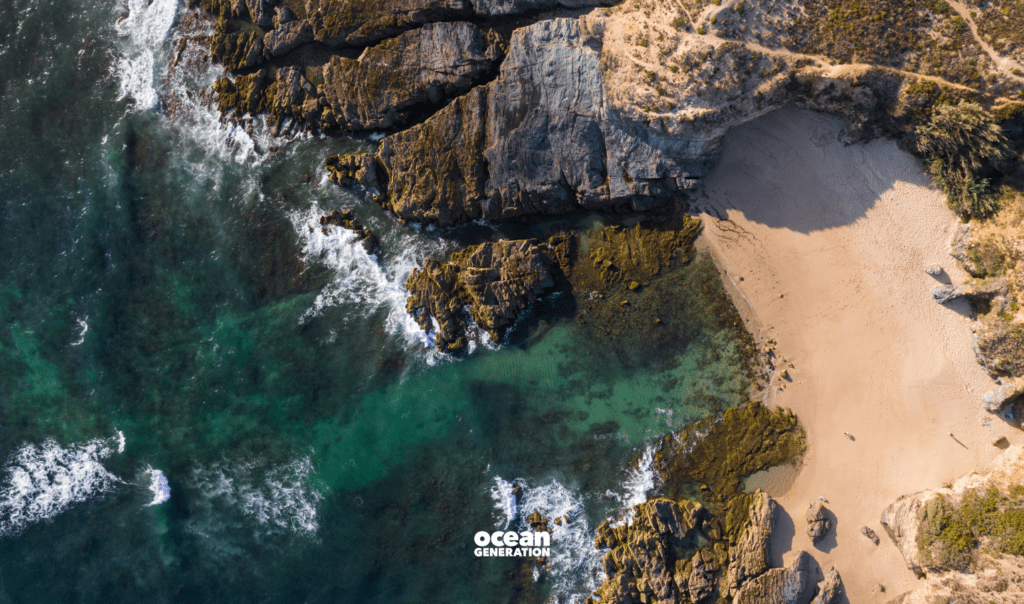
The health of our Ocean is intimately tied to our health. No, really…with every breath we take, with every drop we drink, we’re connected to her.
Not just physically, but emotionally. When we take a step back to enjoy the magnificent view of our Ocean (whilst adding her to our IG stories #SoGrateful), it welcomes a sense of calmness, for how life can be so gentle and beautiful.
But to take this mentality forward with how we care for her every day is the next essential step.
Why?
Well for one, the Ocean provides us with over 50% of the world’s oxygen.
No matter her physical forms, whether stormy and rough, warm and clear or frigid and cold, she, the Ocean, has always helped us breathe during our time on Earth and should never be gone unnoticed.
What resources does our Ocean provides us with?
The Ocean continues to provide a vast number of economic and social benefits, including: jobs, food, medicine, recreation and wonderment – to name a few.
Our Ocean boosts sustainable economic growth in some of the world’s poorest countries, which supports the well-being of coastal communities.
“[A healthy Ocean is] critical for combatting rural poverty, ensuring food security, improving nutrition and achieving zero hunger.”
José Graziano da Silva
Economically, about 38 million people rely on the fishing and fish-farming industry, 95% of whom live in Asia, Africa and Latin America.
The economic benefits the Ocean provides has sparked several positive domino effects for many communities, including: food security, job security, sustainable trade in Ocean -based goods and services, sustainable shipping, and an attraction to sustainable tourism.
In addition, OECD confirmed that over 90% of the world’s trade uses sea routes thereby making the Ocean a heavily reliant agent to access essential resources and necessities, including food, medical supplies and drugs, and fuel.
It is important that we not only take notice but also speak about how many communities around the world have learnt to grapple and adapt to the Ocean’s gifts – as opposed to altering the Ocean to fit their needs, they learnt to navigate their lifestyles with the Ocean.
The impact of our Ocean on communities:
Sri Lanka’s Ocean wealth
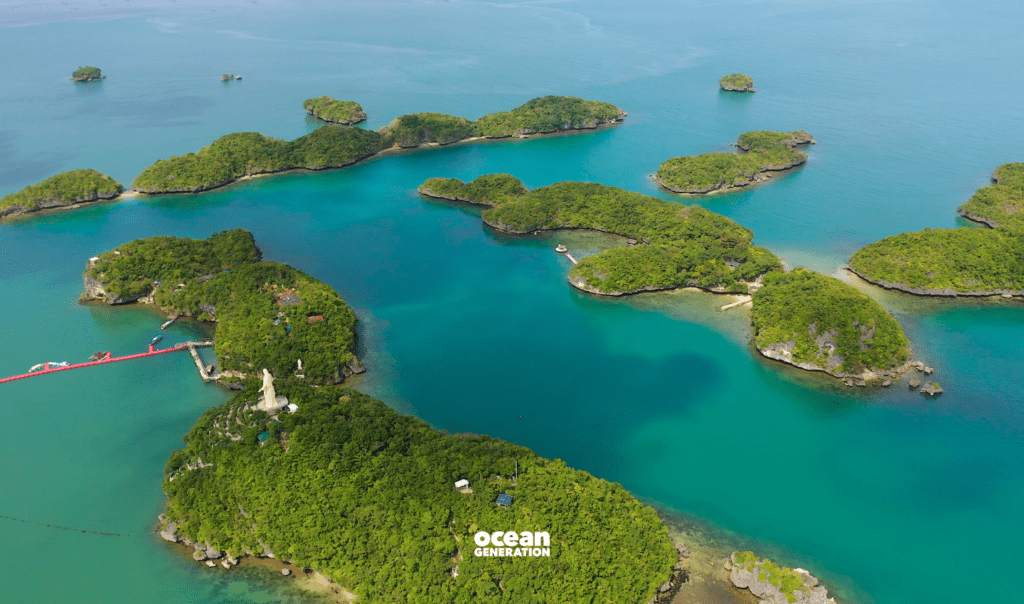
The island we know today as Sri Lanka has thrived on the Ocean’s economic resources as it has made remarkable contributions to the country’s economy.
Sri Lanka’s coastal zone hosts 1/3 of the country’s population, accommodates over 2/3 of all industrial facilities, and over 80% of tourism infrastructure.
As the Ocean provides social benefits for many communities, the wellbeing dependency on the Ocean is clear. These communities have been able to cultivate a sense of stability and economic growth, through fishing and aquatic agriculture. Moreover, the little island is well known for its touristic cities, from mountain tops to the clear, blue Ocean with its golden sand.
The tropical country’s sandy coast lines continue to attract many tourists to the Ocean, to soak in the sunsets and fresh air – reflecting again on the wonder and wellness the Ocean provides us.
Economic exploitation: The new high school bad boy
Unfortunately, utilising the Ocean‘s resources and services have come at a cost – exploitation and economic dominance.
The Blue Economy was a concept initiated with the goal of sustainably sourcing the Ocean’s resources for economic growth, improved livelihoods, and healthy ecosystems.
However, this goal became somewhat of a fever dream when humans started to deteriorate marine ecosystems, resulting in widespread biodiversity loss and habitat damage – sort of like when we were content with the High School Musical trilogy, but Disney thought we needed another version which ended up disappointing us…
Although the exploitation of marine resources was apparent in the 17th-19th century – where the Caribbean coral reefs, faced a massive loss of fish and sharks – the consequences are more distinct now.
How is our Ocean’s health today?
Today, overfishing, destructive fishing practices, and pollution are some of the major enemies facing the long-term nature of our Ocean. To add to the chaos, deep-sea mining is having a detrimental impact on her physical nature, and hindering on the Ocean’s health and societal benefits.
The power of our Ocean only continues to weaken as it loses its harness over the Earth’s environmental and climate systems due to climate change.
A spike in unprecedented environmental conditions, such as acidification, deoxygenation, more frequent marine heat-waves, and El Niño, and La Niña events are predicted to have severe negative impacts on marine ecosystems and species – and we thought the Kardashians carried all the drama.
While these major shifts in Ocean health may appear to feel ‘far off’ and ‘manageable’, our reliability on the Ocean is having greater deep-rooted effects on different demographics and societies than we know.
With over 3 billion livelihoods depending on the Ocean for jobs, 680 million living in low-lying coastal zones, and food security at risk (noticeably after COVID-19 hit), we need to emphasise, now more than ever, that without our Ocean’s wellbeing looked after, our survival is at stake.
Our apology to her will not be enough this time. It is time we take accountability and action to restore our Ocean.