
- Science: Explained
What kind of shark are you? (unknown sharks only)
A (slightly) scientific explainer about sharks
There are over 500 species of sharks. Some live over 300 years old, some glow in the dark. All of them have different vibes, so we’re asking – which kind of shark are you?
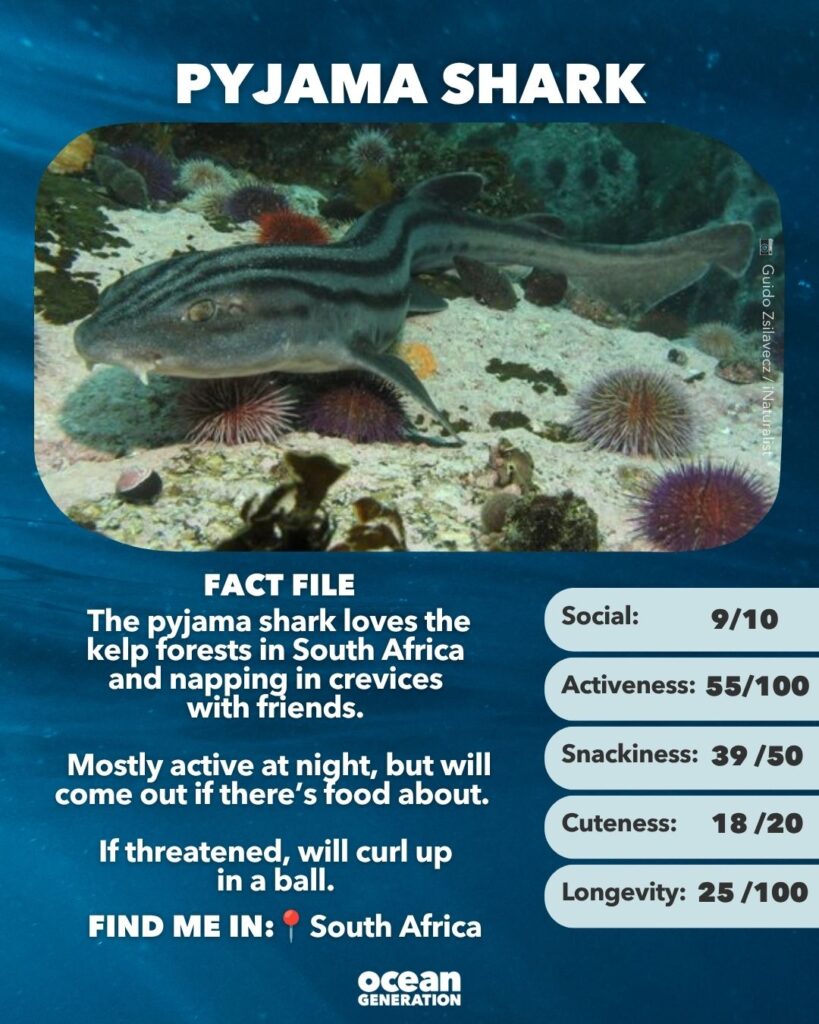
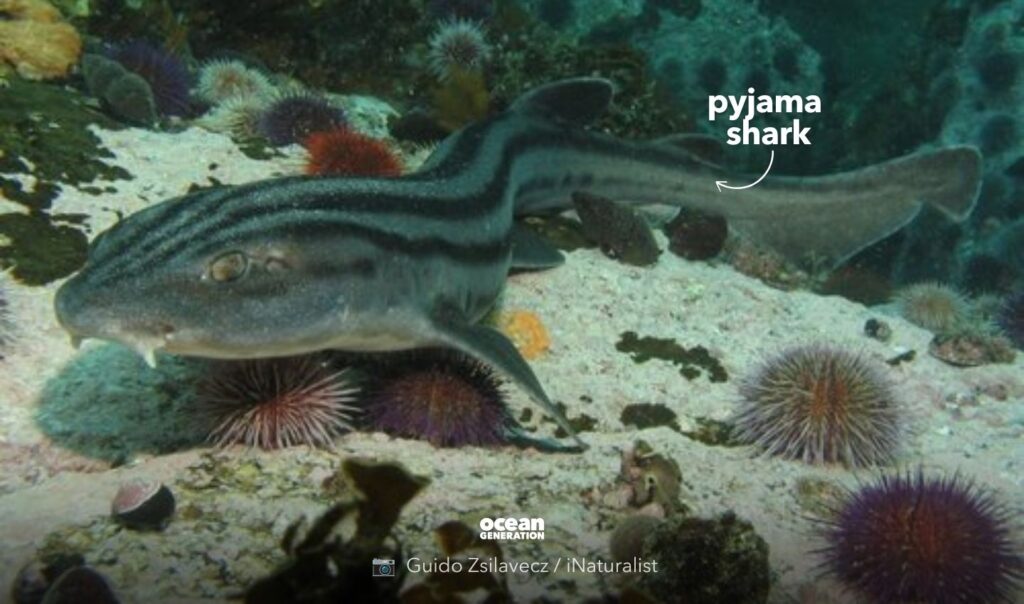
Pyjama Shark
In the temperate waters around South Africa, there is a small, stripey shark. The pyjama sharks live in the kelp forests, their small, slender bodies perfect for squeezing through the stipes and fronds in search of crustaceans, fish and other shark eggs.
Pyjama sharks are mostly active at night, but can come out in the day, especially if there is a lot of food, especially their favourite – squid. Usually, you can find them napping in crevices and caves with friends. If threatened, they will curl up in a ball to protect their eyes and heads. Relatable?
This is: the comfort-first homebody, whose ideal day is spent watching movies with friends and loads of snacks and maybe a nap or two on the way. They look great in stripes and hate horror films.
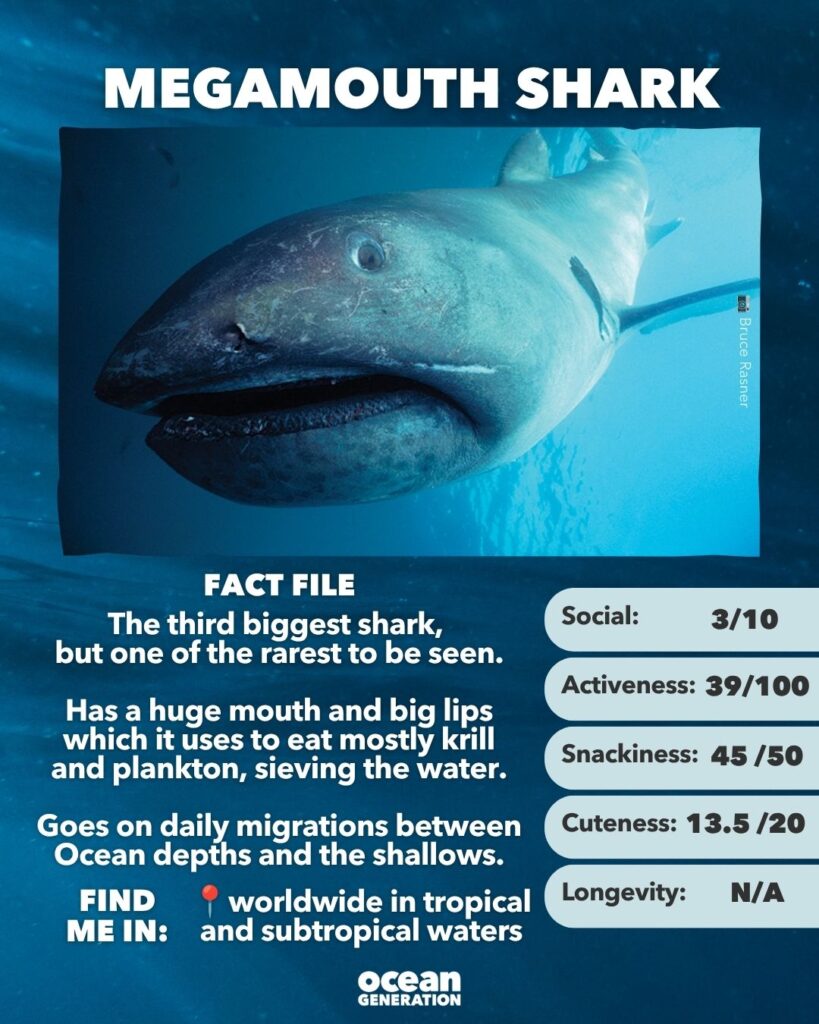
Megamouth Shark
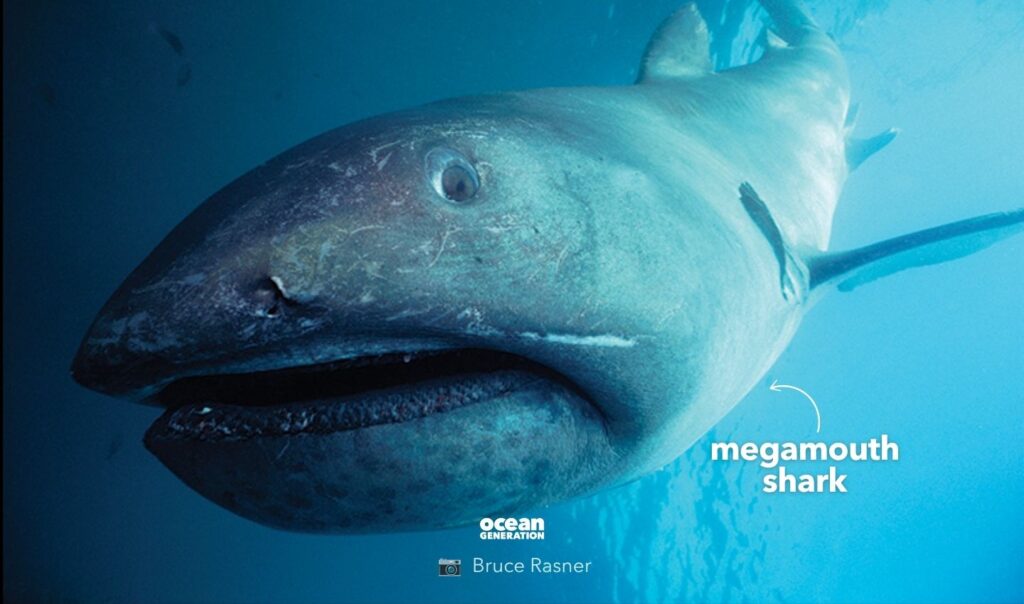
The third biggest shark, but one of the rarest to be seen. Only a few hundred have ever been seen since its discovery in 1976, and we still have a lot to learn. Read more about the discovery of the megamouth and how we learn about these sharks here.
The megamouth shark has a huge mouth and big lips which it uses to eat mostly krill and plankton, sieving the water in a way more like a whale than a shark. They go on daily migrations between the darker Ocean depths and the shallows at night, following their prey. Only a few times have they been seen with another megamouth and tagging surveys suggest that males and females remain largely separate.
Given how few we have seen, the precise limits of their range aren’t known, but they have been found in waters near the equator all around the world, from California to Japan, South Africa to Australia.
This is: the gentle giant who looks quite intimidating but is actually just here for the snacks. Works the night shift, is the one that people have heard about but never see. Has a quiet dating life, but a great kisser (apparently).
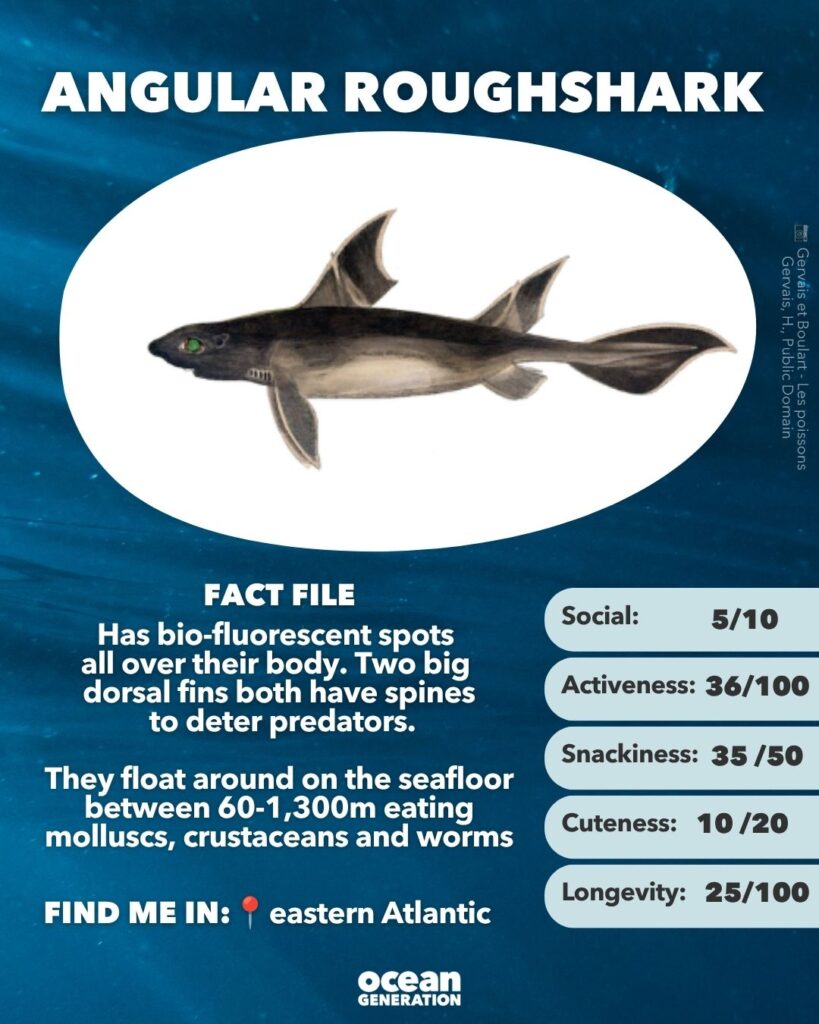
Angular Roughshark
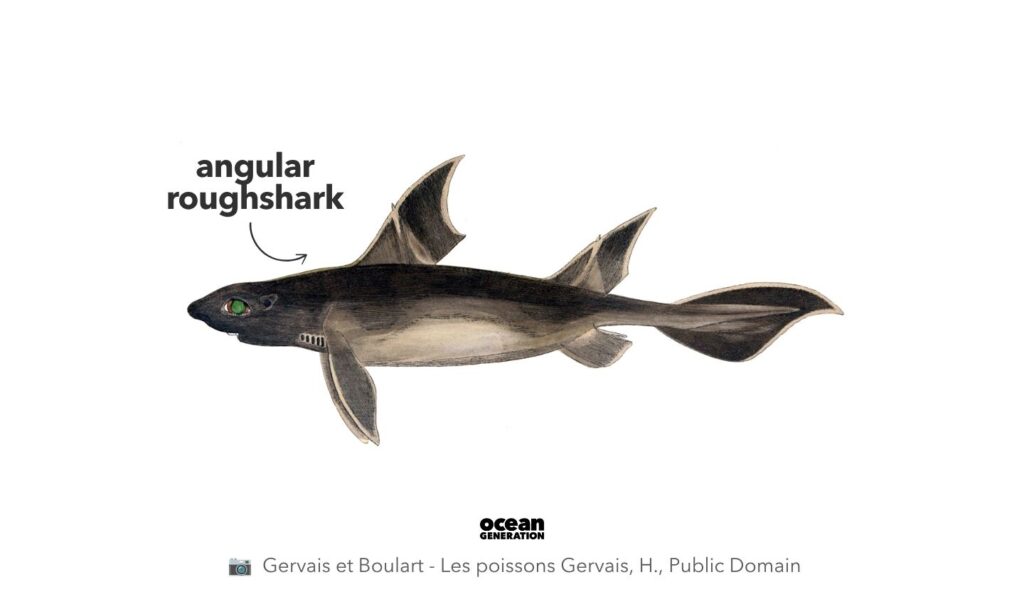
The angular roughshark doesn’t care much for your views of what a shark should be. It is bold and it is sharp.
Angular roughsharks have a luminous organ, maybe to help with camouflage, or maybe just because it can. Two big dorsal fins both have spines to deter predators, such as larger sharks or nay-saying energy drains.
They float around on the seafloor from 60m to over 1300m eating molluscs, crustaceans and worms. Look at the angular roughshark face head-on and you are looking at a triangle with a pig-like face and an attitude.
Angular roughsharks are found all the way up the eastern Atlantic, from South Africa to Norway, including in the Mediterranean. You know they would rock a fez.
This is: the one with thick skin, prickly and a bit intimidating when you first meet them, but it is just a real trail-blazing style. Trend-setter, not follower. Thinks running is weird, loves a seafood linguine.
Tasselled Wobbegong Shark
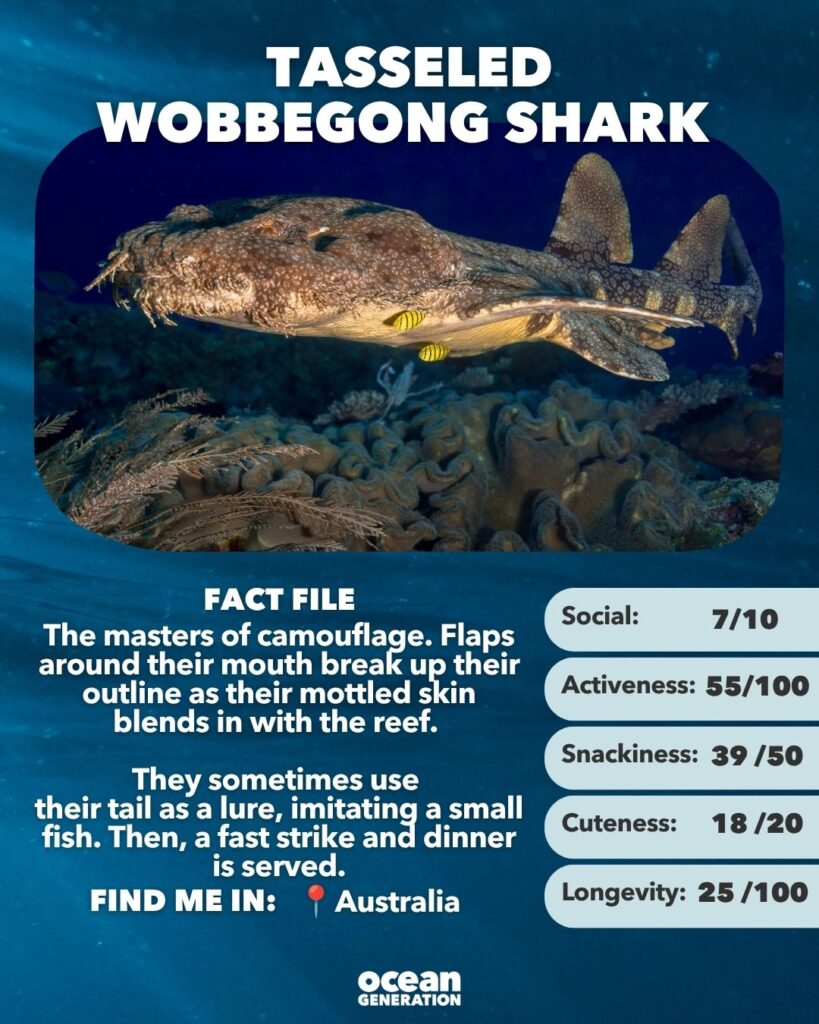
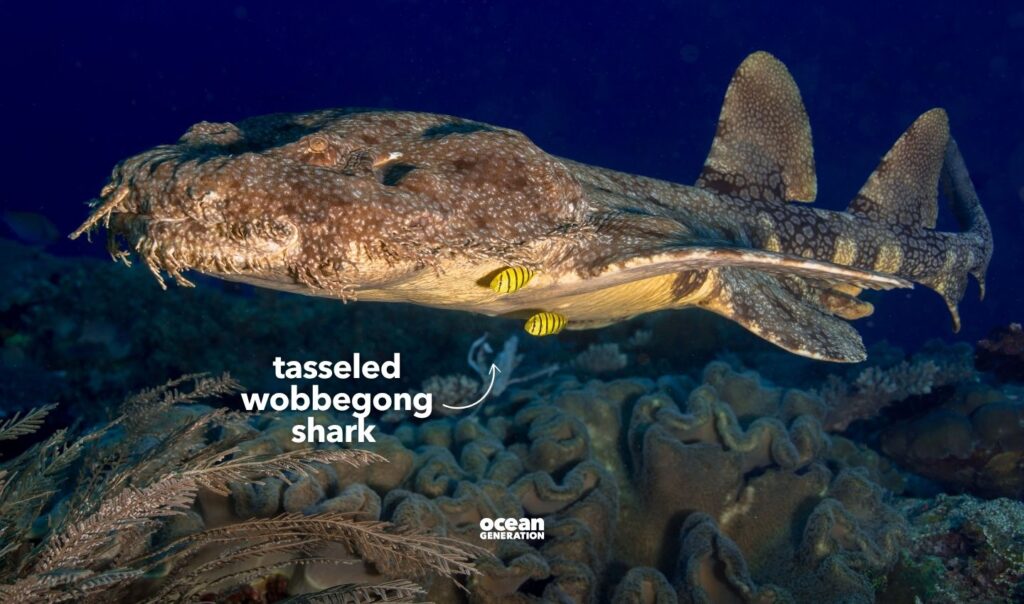
Living on reefs around Australia, the name of the tasselled wobbegong shark comes from the Aboriginal meaning “shaggy beard” referring to the skin flaps around their mouth. These are part of their incredible camouflage, breaking up their outline so they can lie in wait, sometimes using their tail as a lure, enticing an unsuspecting fish to get close enough.
This is: the funny one, rocking a funky, colourful shirt. Isn’t loud but will come through with a knee-slapper of a joke when you least expect it. Likes a laid-back lifestyle, believes good things in life will come to you. Fantastic facial furniture optional, but encouraged.
Frilled Shark
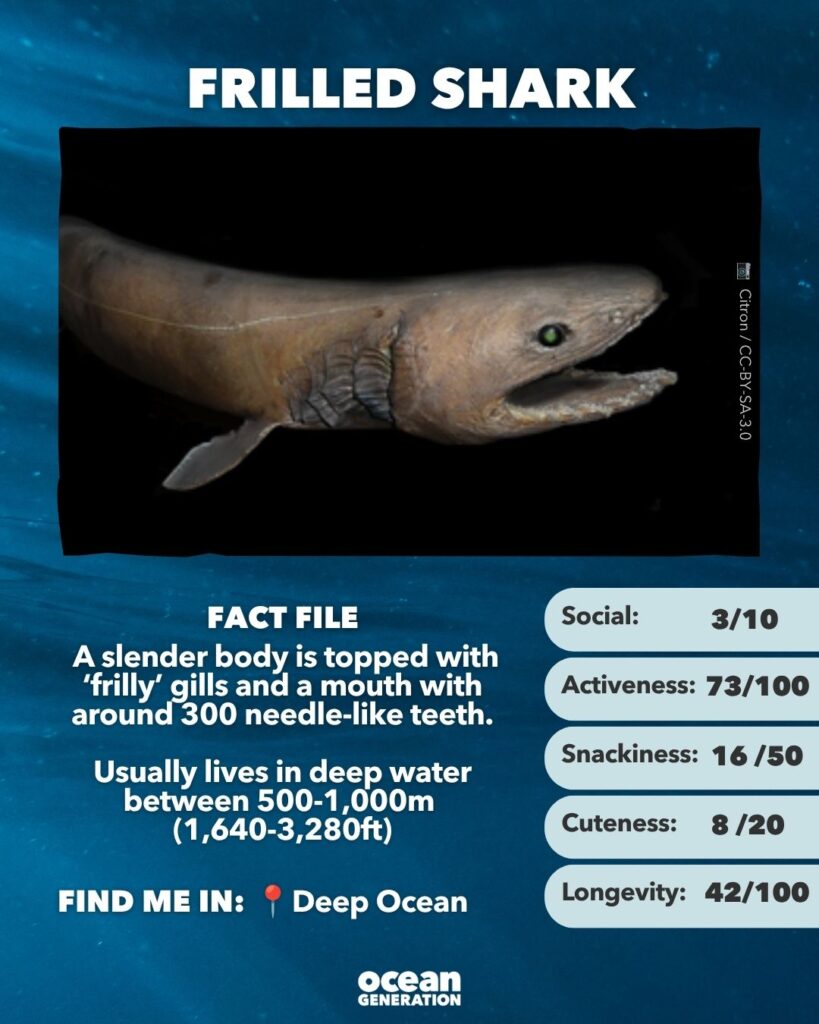
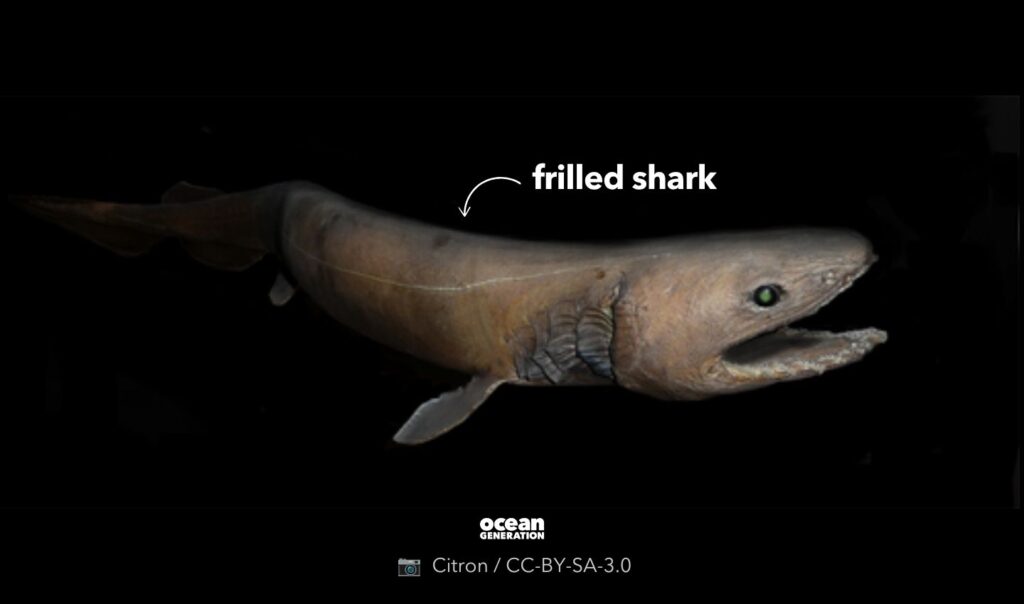
The frilled shark is an echo of the ancient Ocean. A slender, eel-like body is topped with ‘frilly’ gills and a mouth with around 300 needle-like teeth. These point back to trap soft-bodied prey like squid. Frilled sharks are another that’s rarely seen, as they usually live in deep water between 500 and 1000m (1640-3280ft). They are thought to ‘strike’ like a snake – lunging forward to grab prey.
Frilled sharks are found in depths around the world, preferring areas of the Ocean that are more biologically active with upwelling currents, such as seamounts.
This is: the old-soul, down to earth but not a big socialiser. When they do commit to something they are all in, no half measures. The one people describe as “an acquired taste”. Surprisingly athletic.
Greenland Shark
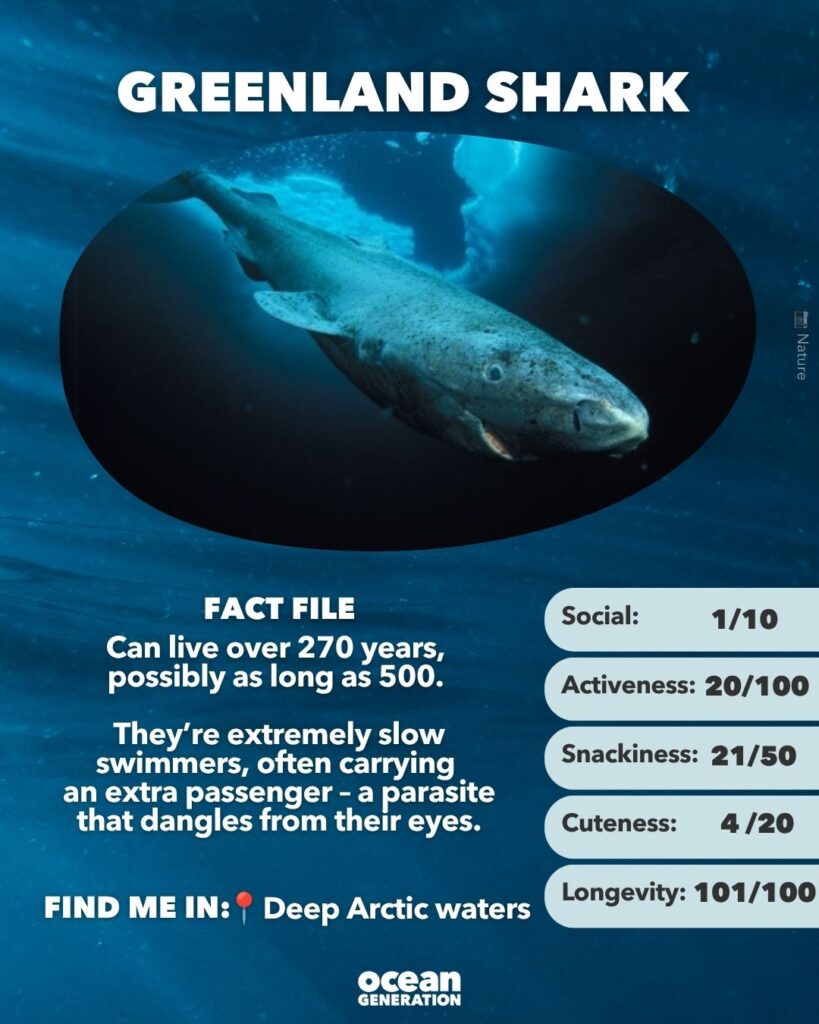
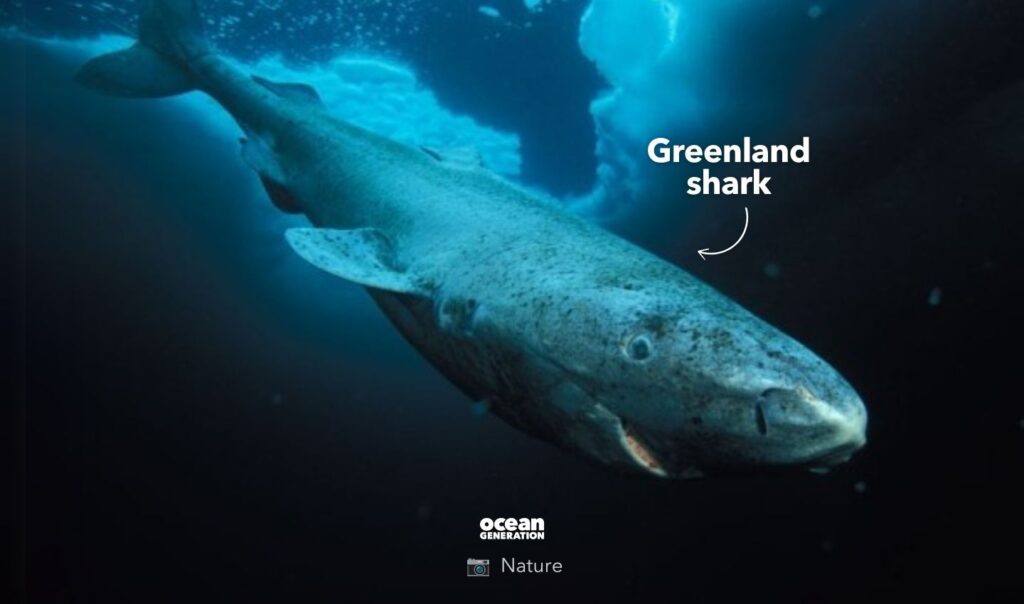
The Greenland shark is the longest-lived vertebrate on the planet. They can live over 270 years, possibly as long as 500 and don’t reach sexual maturity until approximately 150 years old. They are extremely slow swimmers, who cruise the cold, deep waters of the Arctic. The flesh of Greenland sharks is toxic to humans when raw due to high levels of urea and trimethylamine oxide, the compound that helps them live so deep.
They often carry an extra passenger – a parasite that dangles from their eyes. This may glow, attracting prey, but definitely does not help the Greenland shark’s eyesight. You win some, you lose some. Eyesight is overrated in the deep anyway.
This is: the patient one. No rush to do anything, is often late to things (we have all the time in the world!). Can be toxic if you don’t treat them right.
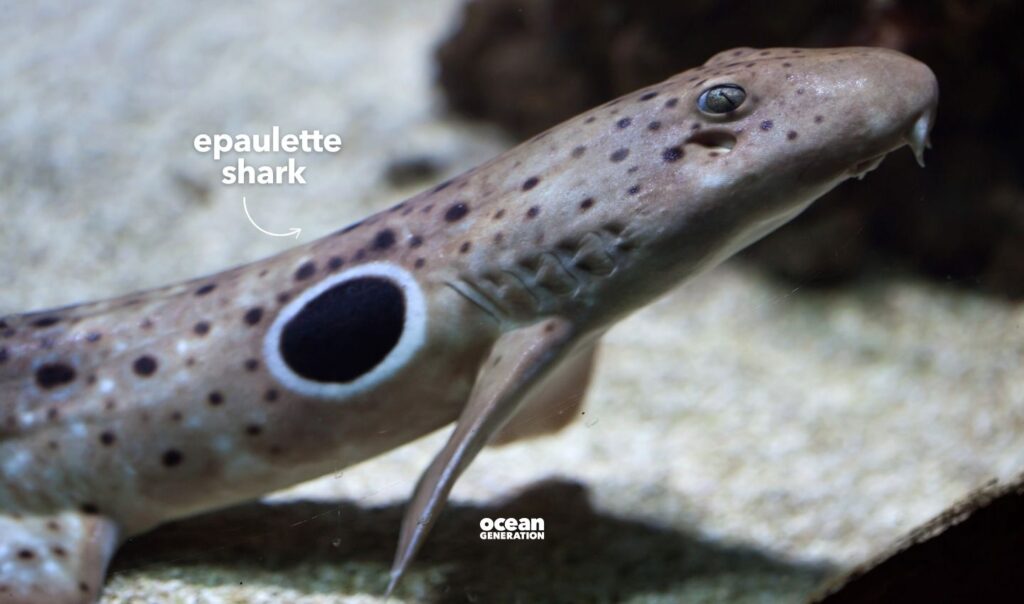
Epaulette Shark
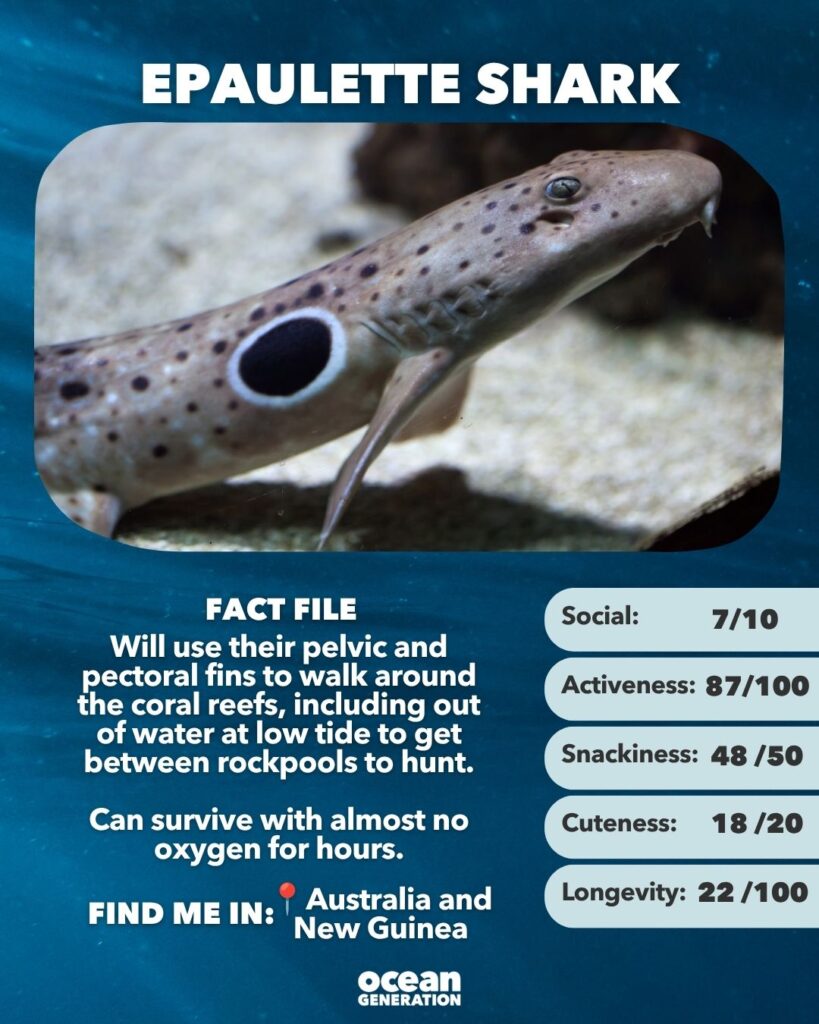
Famous as the ‘walking shark’, epaulette sharks will use their pelvic and pectoral fins to walk around the coral reefs, including out of water at low tide to get between rockpools. The rockpools that were sanctuaries for small fish, crabs and worms are now hunting grounds, trapping them in when the tide gets low. Epaulette sharks can survive with almost no oxygen for hours by shutting down non-essential brain function.
This is: the one that can survive (and thrive) on shockingly little sleep/coffee. They are adaptable, can and will get where they want to using any means necessary. Often turns up unexpectedly, usually looking for food.
Still not sure which you identify most with?
Maybe our cards will help you decide – do you agree with our scores?