Why there’s no health without the Ocean.
A healthy Ocean is our greatest ally against climate change.

Our health depends on the Ocean.  

This statement is true, of course, but itโ€™s very easy to become desensitised to this idea when it all seems so abstract.ย 

In this modern world, itโ€™s easy to overlook the fundamental basis of our survival that we often take for granted.

It can be hard to directly link our everyday lives and habits to the Ocean, especially for those of us who donโ€™t live anywhere near the coast, and donโ€™t interact with the sea on a regular basis.ย 

This can leave many of us feeling disconnected and disengaged from Ocean action.ย 

A quote saying "Our health depends on the Ocean" in a science article discussing why a healthy Ocean is key to our survival.

But letโ€™s dive deeper into this statement to find out what a healthy Ocean really means to us (humanity), and why we should must care.

A healthy Ocean is key to our survival 

In fact, the Ocean provides all the fundamental resources that we need to survive:

1. Air: The oxygen in every second breath we take comes from the Ocean.

Itโ€™s also believed that tiny, single-celled algae called Cyanobacteria provided the atmospheric conditions suitable for our very existence around 2.4 billion years ago.  (Thatโ€™s referred to as the Great Oxidation Event.)  

2. Water: All water on the planet is connected by a system known as the hydrological cycle.

Water evaporates from the Oceanโ€™s surface to form clouds, which provide us with the fresh water that we use to drink, shower, and cook with.  

Itโ€™s all connected via rivers, streams, and groundwater tables.

Even the water that makes up 60% of your own body was part of the Ocean at some point. 
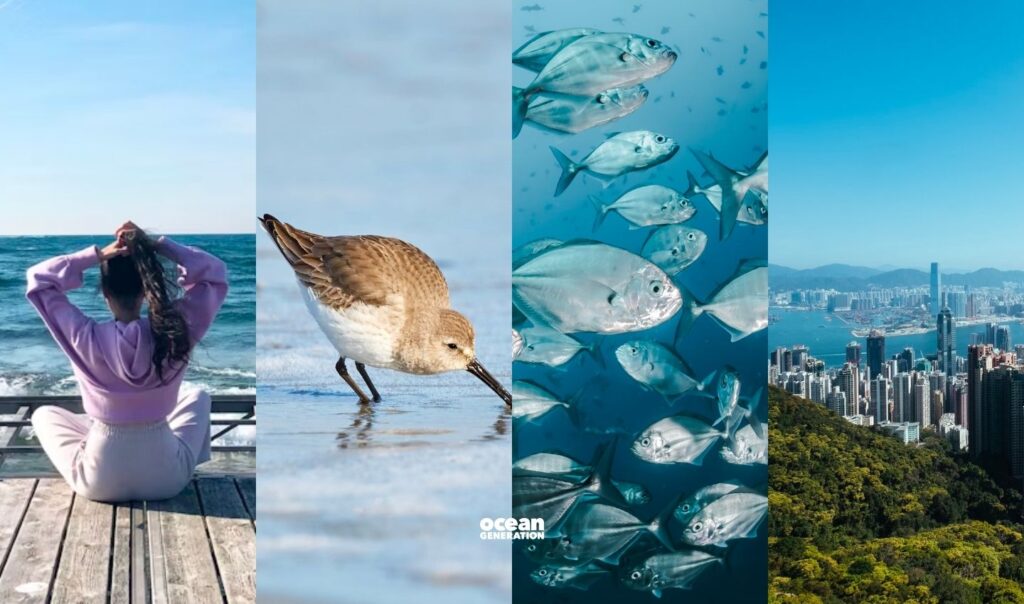
Our Ocean provides air, water, food and shelter for our survival.

3. Food: Seafood provides a primary source of protein for over 3.3 billion people.

Thatโ€™s over 40% of the global population (8.1 billion in 2023). The Ocean also drives the rain systems and climate patterns which help our crops to grow.

So even if you donโ€™t eat fish, the Ocean still indirectly provides the food that you eat.

4. Shelter: The Ocean has been present during every element of our evolutionary history as human beings and continues to shape the way our society functions. 

River basins, where land meets the sea, represent the earliest relationship between human society and nature. These areas of fertile plain fields, rich soil and abundant water resources allowed for the very first human civilisations to thrive.  

Over time, the development of ports also provided a gateway of connectivity and transportation between societies.  

This relationship continues today.  

As of 2020, almost 1 billion people live within 10km of the coastline, and more than one third of the worldโ€™s population (2.75 billion people) live within 100km from the coast. 

Whatโ€™s more, over 3 billion people depend on the Ocean as a primary source of income, the majority of these from Ocean-based industries such as fisheries and tourism in developing countries. 

Why healthy people need a healthy Ocean: explained by Ocean generation, leaders in Ocean literacy.

Healthy people need a healthy Ocean 

The Ocean contains a vast biodiversity of life, with over 250,000 known species and many more (at least two thirds) yet to be discovered.  

Each life form has a unique method of adaptation against disease and pathogens. Weโ€™re constantly learning from this strange and alien world to apply these mechanisms to our own needs.  

We depend on this marine biodiversity to develop modern medicines. In fact, between 1981-2008, around 64% of all drugs used to fight infection, and 63% of anti-cancer drugs were derived from natural sources.  

For example, the Horseshoe Crab is commonly referred to as a โ€œliving fossilโ€ and has survived almost unchanged for around 200 million years. Its blue blood contains special cells called โ€œgranular amoebocytesโ€ which can detect and clot around even the tiniest presence of toxic bacteria.  

Humans harness the special property of this blood to test whether the drugs and vaccines that we produce are free from contamination.

A healthy Ocean is our greatest ally against climate change.

A healthy Ocean is our greatest ally against climate change. 

A healthy Ocean stabilises our entire planetary system and acts as a buffer against the worsening impacts of climate change.  

It regulates global air temperatures by absorbing 26% of total CO2 emissions and storing over 90% of the excess heat from the atmosphere.  

But the Ocean is not just a victim of climate change, itโ€™s also a source of solutions.

Our Ocean provides all the fundamental resources that we need to survive. Written by Ocean Generation.

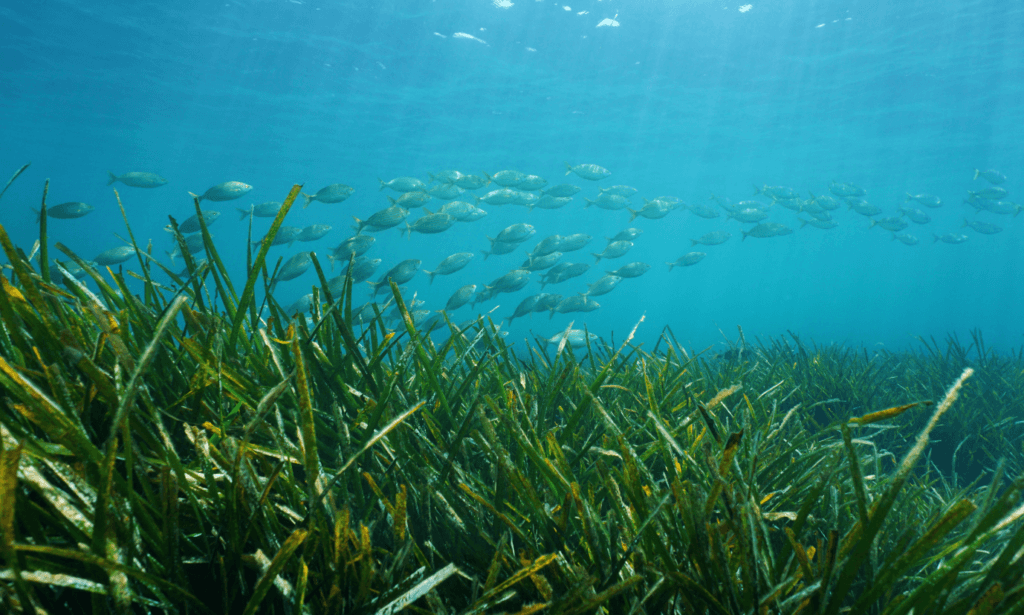
Coastal โ€œblue carbonโ€ ecosystems, such as mangroves, tidal marshes and seagrass meadows remove and store carbon dioxide from the atmosphere. These ecosystems can lock away carbon in their soils at rates up to an order of magnitude faster than terrestrial forests.

Protecting and restoring these vital coastal ecosystems offers us a chance to ensure a sustainable future for people and planet.  

If the Ocean thrives, so do we.  

So, next time youโ€™re having a drink of water, catching your breath after exercising, or waiting at the doctorโ€™s surgery for some medicine, take a moment to stop and thank the Ocean for providing the fundamentals to make all this possible. 
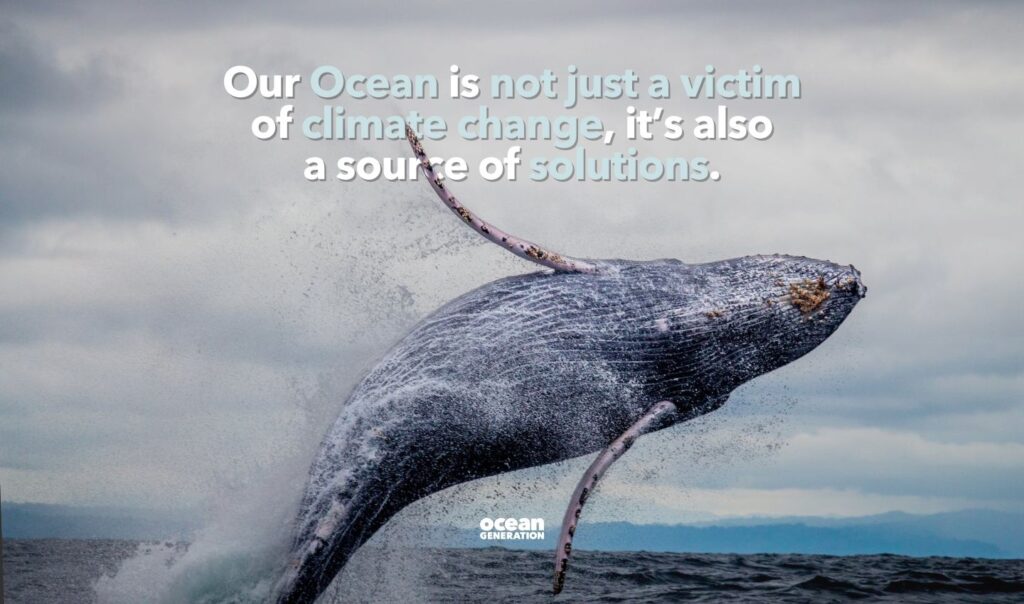
Our Ocean is not just a victim of climate change, it's a source of solutions.

Who are the orca outlaws sinking boats, and why are they?

Subscribe

Monthly: Impact in your inbox.

OceanGeneration-Join

Facts about Vaquitas: The most endangered marine mammal

10 interesting facts about the vaquita: The most endangered marine mammal in the world, shared by Ocean Generation and Barry M. Illustration: Chris Clayton

How many of these facts about vaquitas do you know?

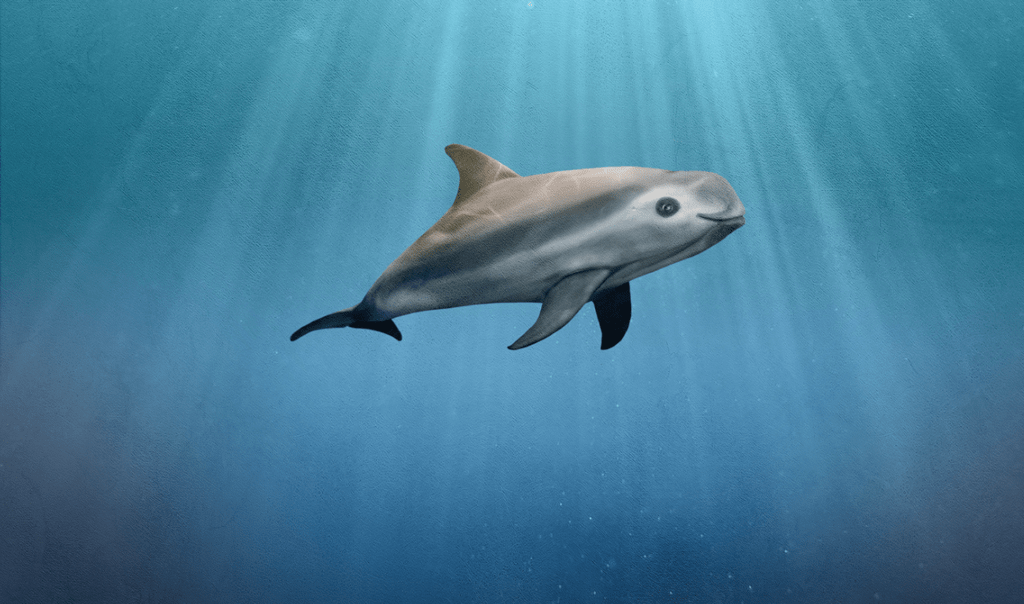
The vaquita (Phocoena sinus) is the smallest porpoise to call our Ocean home.

In 2023, the best-known estimate of vaquita populations is between 6 – 19, making them the most endangered marine mammal in the world.

1. When was the vaquita discovered? 1958.

The vaquita was was only discovered in 1958 – yet it’s already on the brink of extinction.

Scientists first described these little porpoises after coming across three skulls found in the Gulf of California, Mexico.

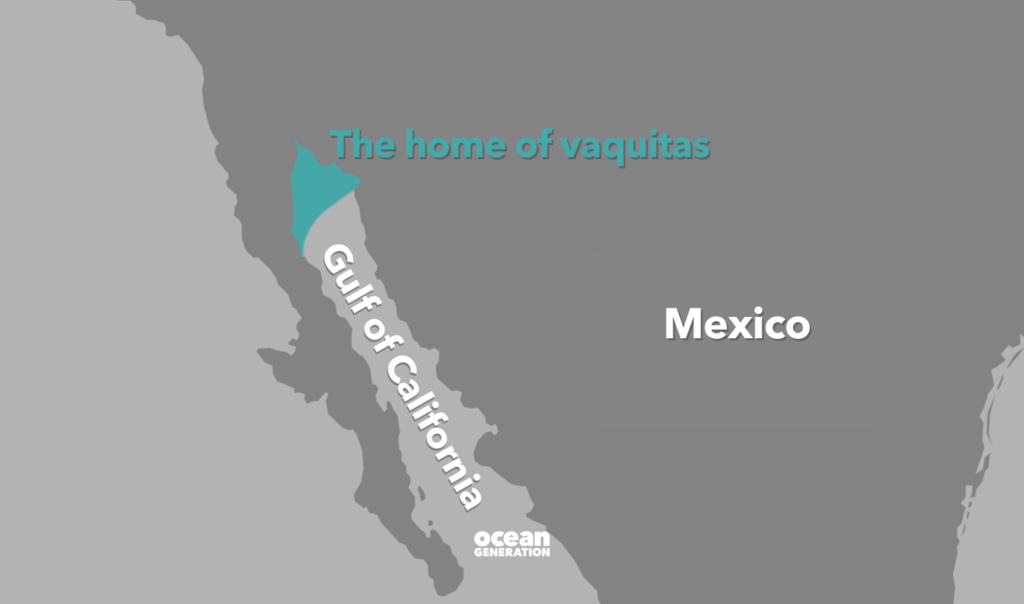
2. Vaquitas are endemic to the Gulf of California, Mexico.

Vaquitas display no migratory behaviour and have limited themselves to the Northern part of the Gulf of California, as depicted in the figure below.

Where are vaquitas found? Map showing the Gulf of California, Mexico and the very limited area, in the Northern part of the Gulf of California, where vaquitas live.

3. How big do vaquitas get?

They grow up to 1.5m long (5 feet). Vaquitas live in relatively shallow waters (<50m) and have been observed individually, in pairs, and small groups of up to 8-10 individuals.

4. No one really knew what vaquitas looked like until the late 1980s.

Locals, along the Gulf of California, didn’t know much about vaquitas before they were described, based on their skulls in 1958, but anecdotal evidence from locals include references to โ€œvaquitaโ€(meaning little cow), โ€œcochitoโ€(meaning little pig) and โ€œduendeโ€(meaning ghost or spirit).

There’s a chance that these names could have been referring to totally different species.
In the late 1980s though, external features of vaquitas started to be described.

5. So, what do vaquitas look like?

A dark ring around the eyes is the vaquitas most striking feature, along with a proportionally large dorsal fin. They’re unique among porpoises because they’re the only species of the porpoise family found in warm waters.

6. When did the vaquita become endangered?

In 1978, the IUCN red-listed the vaquita as โ€˜Vulnerable.โ€™ In 1990, vaquitas became โ€˜Endangeredโ€™ and, in 1996, โ€˜Critically Endangered.โ€™

7. Why are vaquitas endangered?

The main reason vaquitas are endangered is due to entanglement in gillnets with bycatch in legal and illegal fisheries for shrimp and finfish, and in the last decade, specifically for totoaba.

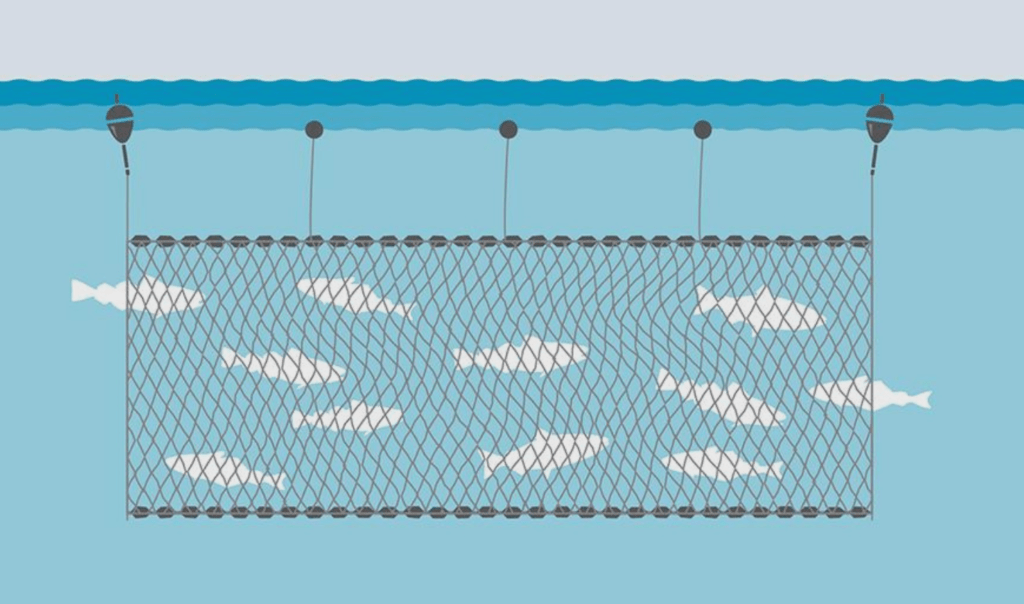
A gillnet is a wall or curtain of netting that hangs in the water.
A gillnet is a wall or curtain of netting that hangs in the water. Image source.

8. How many vaquitas are left?

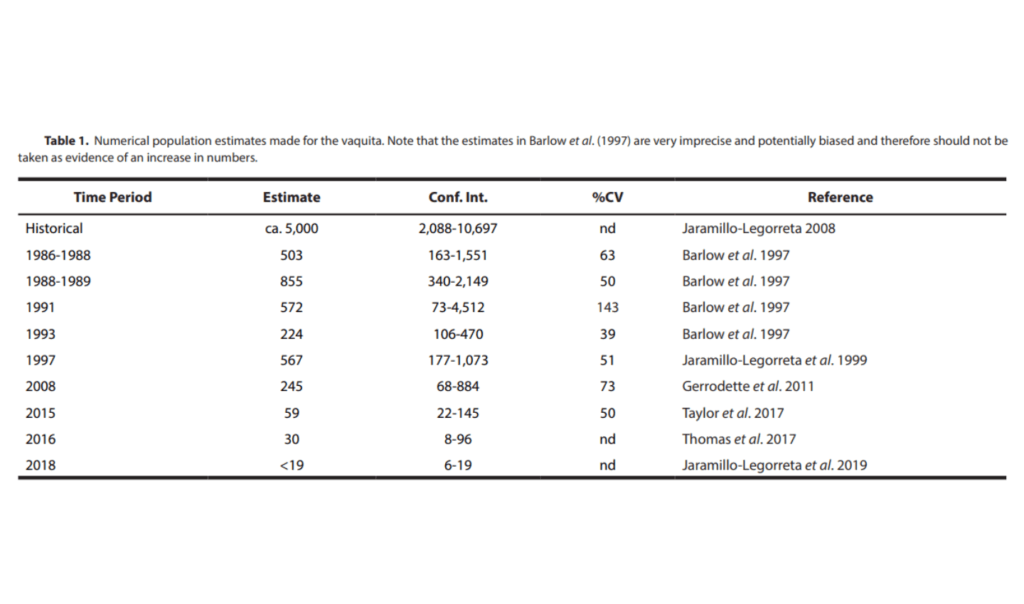
In 2007, there were an estimated 150 vaquitas in our Ocean but by 2018, that number had dropped to 19.

A table showing vaquita populations over time, from around 245 vaquitas in 2008 to less than 19 in 2019. There are less than 20 vaquitas in the world.
Vaquita population size over time [Extracted from  Wรผrsig B. et. al., 2021]

9. Is there hope for vaquita populations?

Conservation efforts for vaquitas are underway.

Gillnet fishing – has been banned – however, illegal fishing of totoaba (an endemic fish) continues. The totoaba is also critically endangered too so, the fate of the totoaba and vaquita are closely linked.

There is always hope.

Scientists suggested imminent vaquita extinction in the mid-2000โ€™s but as of 2023, there are still between 6-19 vaquitas alive.

One study on genetics found that due to low population size and low genetic diversity, if gillnet fishing was 100% stopped, there is only a 6% chance of extinction of vaquitas.

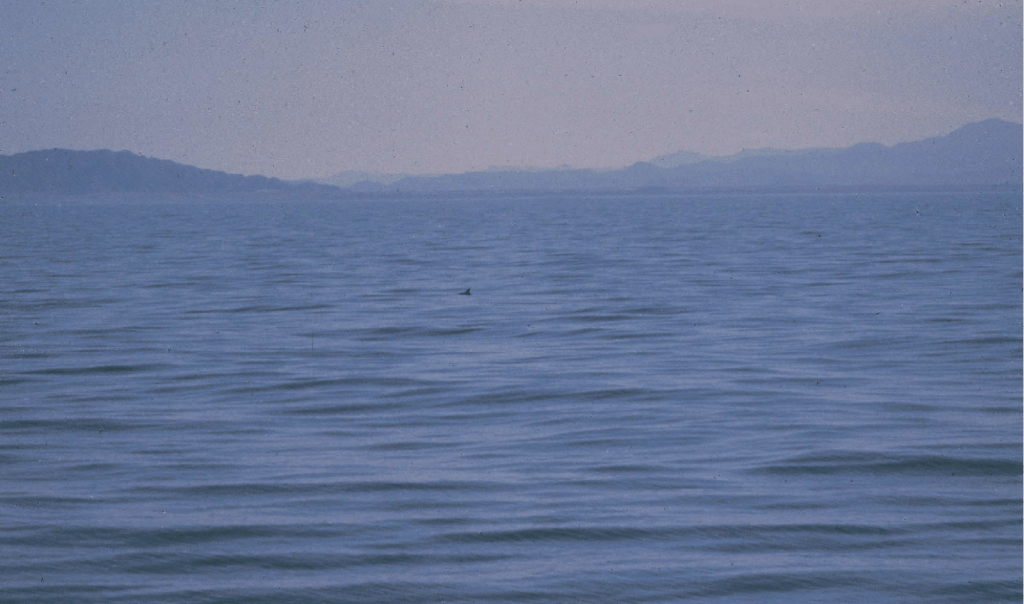
This is possibly the first photo published of a vaquita in nature, on a rather placid sea, taken on 10 March 1979. Photo by R.S. Wells, shared by Ocean Generation.
This is possibly the first photo published of a vaquita in nature, on a rather placid sea, taken on 10 March 1979. Photo by R.S. Wells. 

10. The vaquita can give birth annually.

And multiple newborns were sighted in 2019.


A note from Ocean Generation:
Your support may feel like a drop in the Ocean, but the Ocean would be less without that drop.

We’re known for translating complex Ocean science into engaging content and bringing the Ocean to young people across the world. As a charity, every donation is vital and will directly support our environmental youth programmes that drive social action to safeguard our Ocean.

Who are the orca outlaws sinking boats, and why are they?

Subscribe

Monthly: Impact in your inbox.

OceanGeneration-Join

7 Interesting travel facts, linked to the environmentย 

Plane ascending into the sky. Ocean Generation is sharing 7 interesting travel facts linked to the environment in this article.

How much do we need to reduce travel emissions to meet the targets set out in the Paris Agreement?”

Good question! Perhaps you’ve also wondered how much worse the private jets celebs catch are, compared to commercial planes, or how much more we drive than walk?

Here are 7 interesting travel facts linked to the environmental:

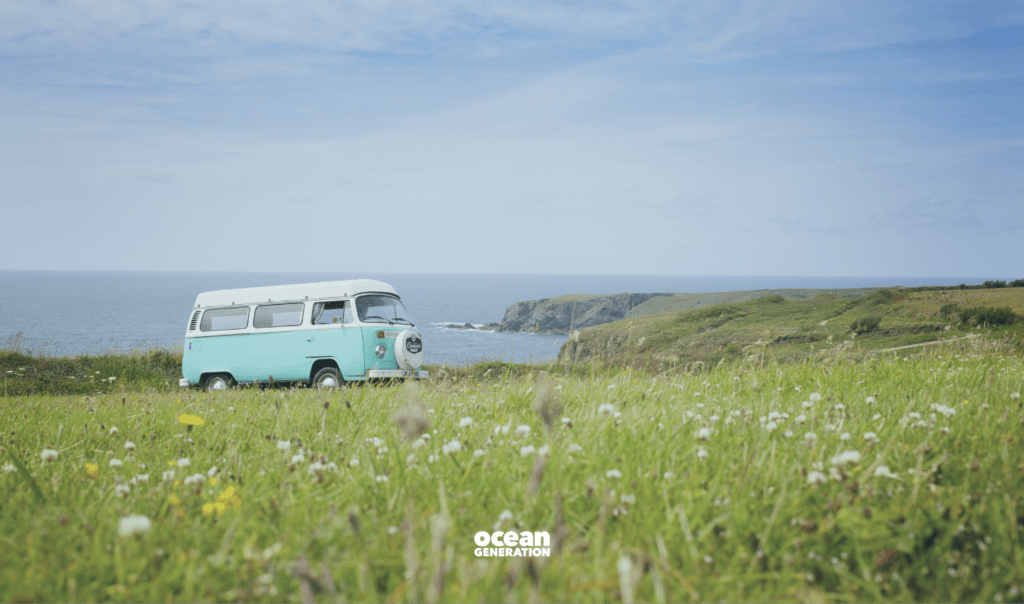
Teal travel van parked against the backdrop of a coastal road. There's a blue sky, a stretch of Ocean, and lush wild grass with a few flowers. Shared by Ocean Generation in an article about interesting travel facts with an environmental lens.

1. Transport-related CO2 emissions would need to be curbed to 2Gt or 3Gt by 2050, or 70-80% lower than 2015 levels to meet the Paris Agreementโ€™s 1.5C limit.  

2. More passengers per vehicle = lower individual emissions.  

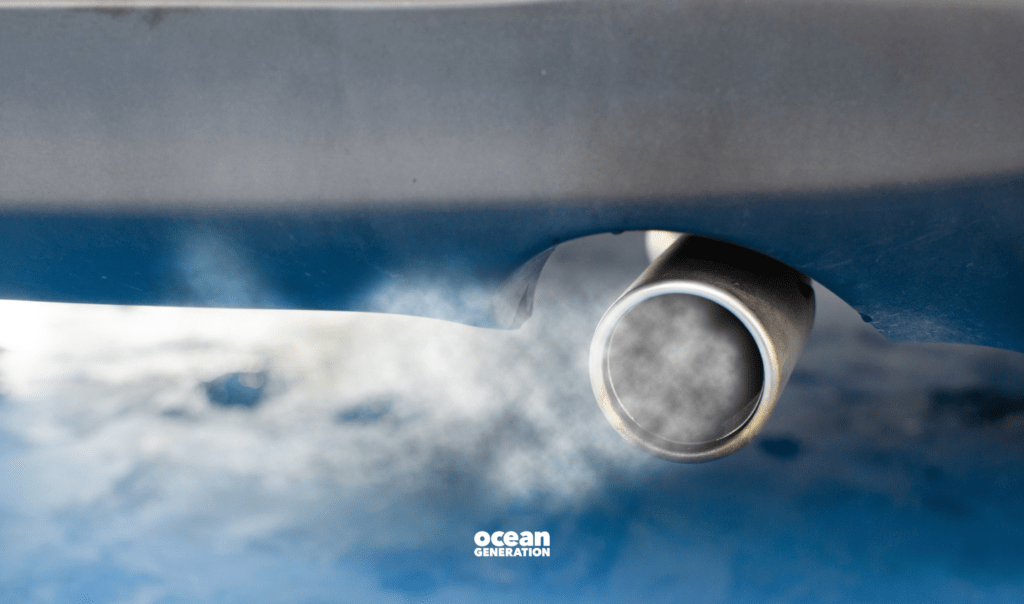
The transport sector causes substantial negative impacts on the environment and human health. Image of a close up of a car exhaust with CO2 being released.

3. A double decker bus, a clever form of public transport, can replace up to 50 other motorised vehicles.

4. Making cities walkable, i.e., making it easy to travel around a neighbourhood on your own two feet, reduces greenhouse gas emissions by 4 tonnes a year when compared to automobile-dependent areas.

The avoided emissions are equivalent to 2-person round trip flying economy between Paris and New York. ย 

5. We now drive seven times as much as we walk. ย 

6. In 2016 most passengers in the UK (72%) were flying for leisure. ย 

7. Private jets are 5-14 times more polluting than commercial planes (per passenger) and about 50 times more polluting than trains.

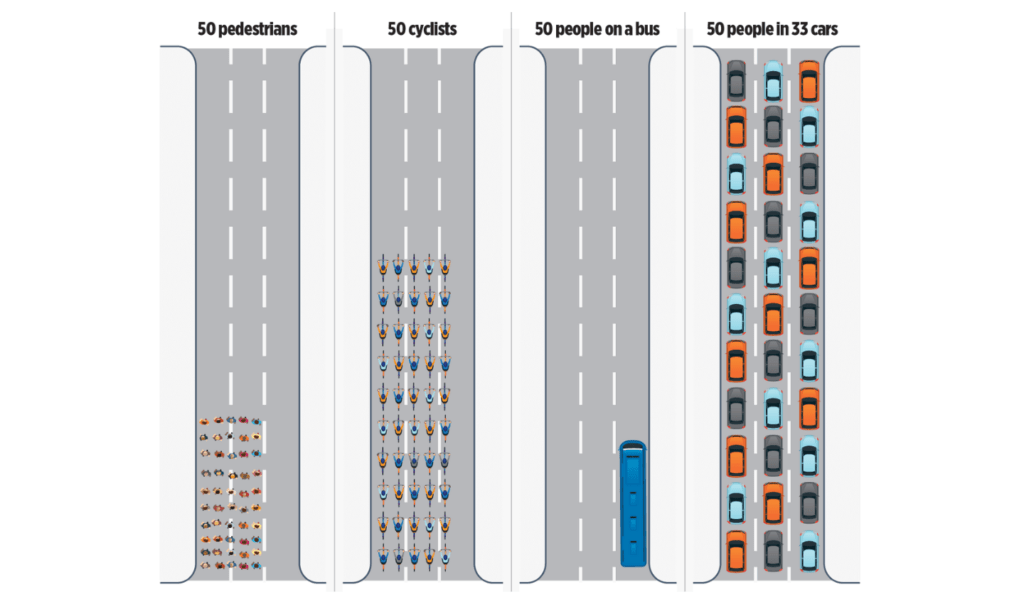
The amount of space taken up on a road by 50 pedestrians vs. 50 cyclists vs. 50 people on a bus vs. 50 people in 33 cars. This image is shared by ocean Generation in their article about interesting travel facts through an environmental lens.
The amount of space taken up on a road by 50 pedestrians vs. 50 cyclists vs. 50 people on a bus vs. 50 people in 33 cars. Source: Philadelphia Inquirer

Our planet doesnโ€™t need a handful of perfect environmentalists. It needs millions of imperfect people doing what they can to make a difference, and always trying to do better. ย 

Who are the orca outlaws sinking boats, and why are they?

Subscribe

Monthly: Impact in your inbox.

OceanGeneration-Join

Whatโ€™s the environmental impact of travel?ย ย 

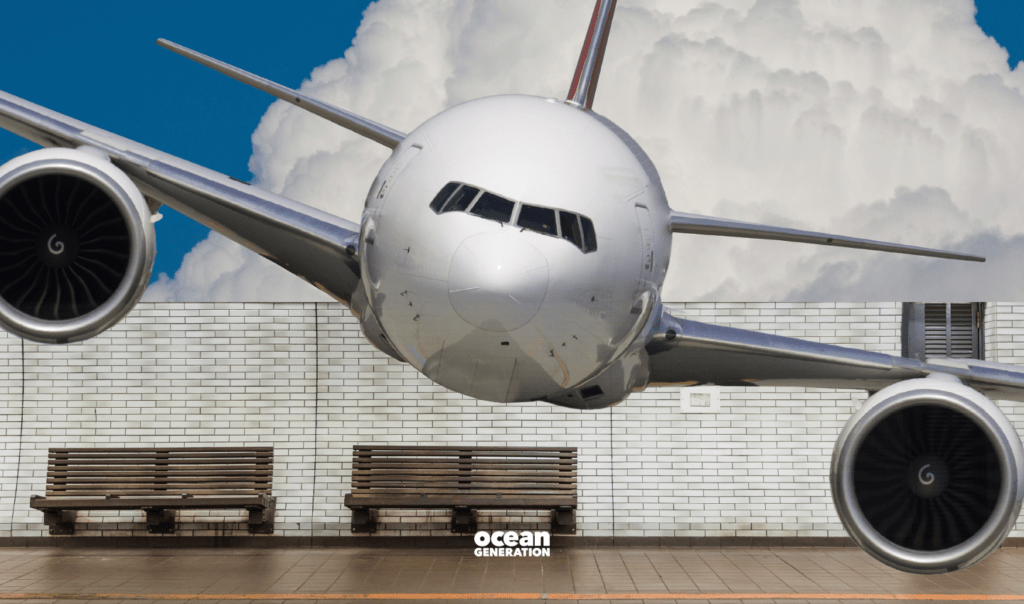
Image split in half horizontally. In the top image an aeroplane, headed towards the camera, is visible. In the lower image are wooden benches at a train or underground station. This article shares the environmental impact of the ways we travel.

Despite our increasingly sedentary and digitally bound lifestyles, we still need to travel from one place to another – for our basic needs, work, school, or leisure – and it all has an environmental impact.

Imagine your typical week, what kinds of transport do you use? Do you rely on your local bus to get to school? Or perhaps a tram or metro to commute to work? Do you drive or take a taxi to visit your friends and family on the weekend? 

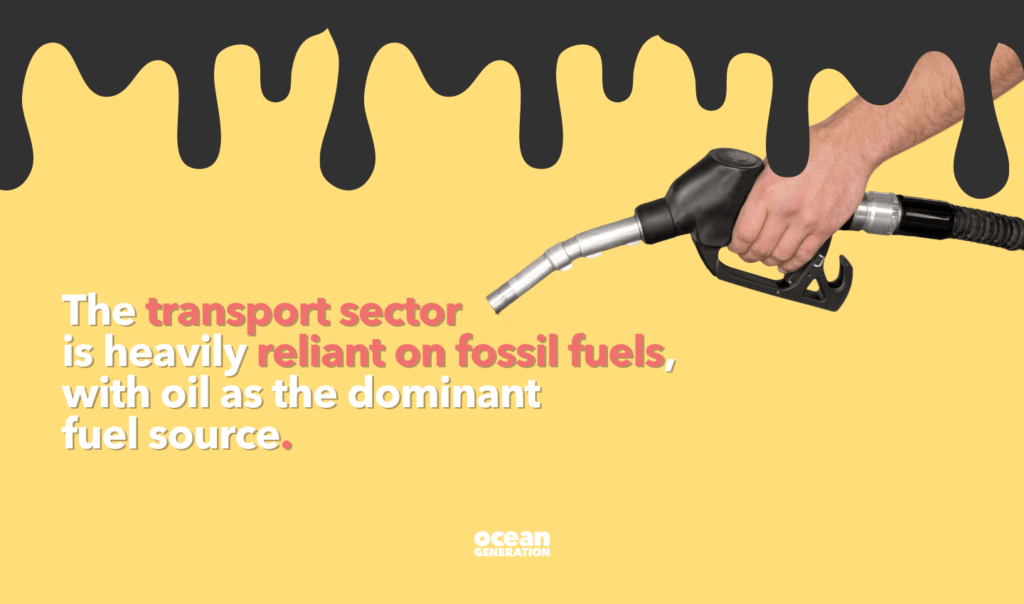
Globally, over half of the worldโ€™s population live in urbanised areas and we primarily use motorised modes of transport. This makes the sector heavily reliant on fossil fuels.

The transport sector is heavily reliant on fossil fuels, with oil as the dominant fuel source. Ocean Generation shares what the environmental impact of our travel is in this article.

Even with increased electrification of road vehicles and innovative fuel sources, decarbonising this sector has remained challenging.  

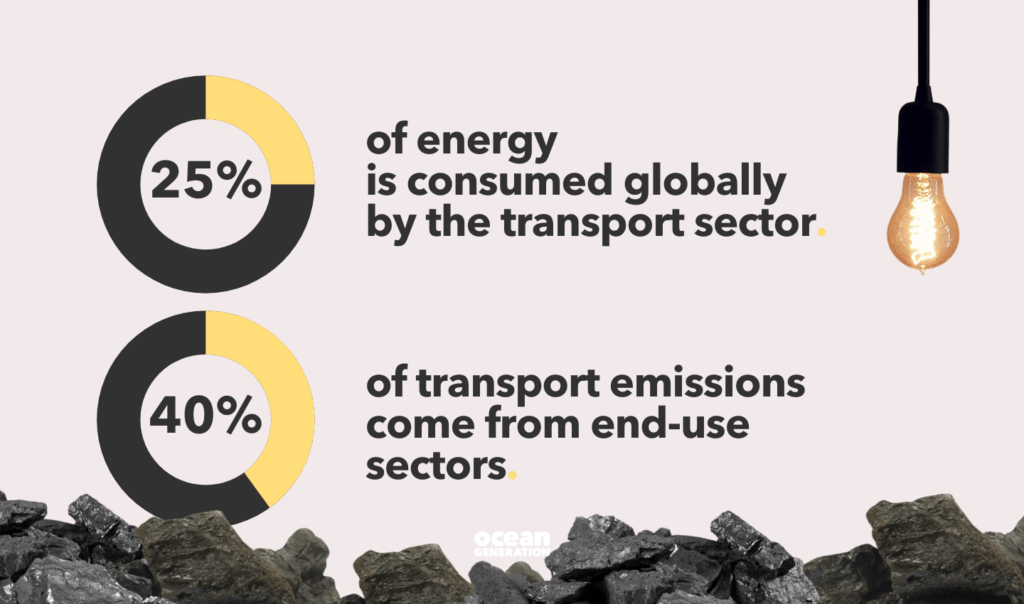
Environmental impact of the transport sector (in numbers): 

The environmental impact of the transport sector: in numbers. 25% of energy is consumed globally by the transport sector.ย 40% of transport emissions come from end-use sectors ย 

Weโ€™re covering 3 areas of interest when it comes to the environmental impacts of travel:

  • Air Travel 
  • Active Travel (walking and cycling) 
  • Public Transportation  

To fly or not to fly? 

The short answer is no, where possible.  
Air travel, both domestic and international, is higher emitting than is indicated by CO2 emission figures alone.  

This is because there are non-CO2 pollutants like nitrous oxides, sulphates, soot particles, etc that are directly released into the upper atmosphere.  

Localised effects of these pollutants can be more damaging than the effects of CO2 alone. In fact, one study found that non-CO2 emissions are three times more polluting than just CO2 alone. 

Why is flying at night worse for the environment? 

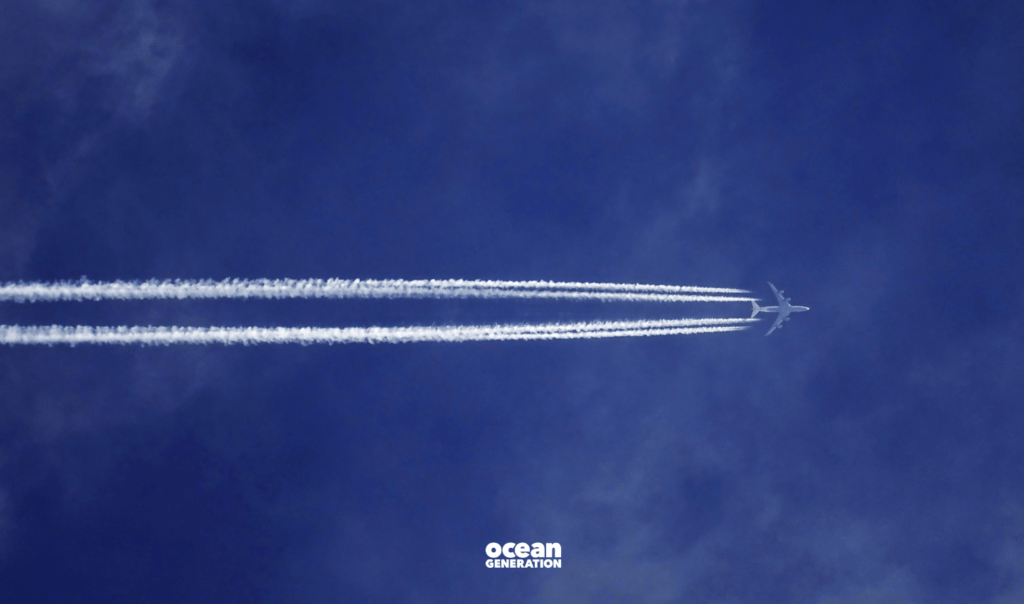
Condensation trails, AKA contrails, are line-shaped clouds that form from the water vapour released when burning fuel. These clouds can have both a cooling and warming effect on our planet.  

They can cool the Earthโ€™s surface by reflecting sunlight but are disproportionately capable of trapping heat. This means that night flights are more polluting since there is no sunlight to be reflected.  

Plane flying through a navy blue sky. Behind the plane are condensation trails, also known as contrails. Ocean Generation is sharing why flying at night is worse for the environment than catching a flight during the day.

Only a small proportion of the worldโ€™s population engage in air travel, but those of us who do can point to it being the largest slice of our personal carbon footprints.  

This is especially true for those who fly on private jets. Private jets are 5-14 times more polluting than commercial planes (per passenger) and about 50 times more polluting than trains.  

Many uncertainties remain with our understanding of the full impact of contrails and decarbonising air travel has proved to be difficult despite recent innovative advancements.  


Active travel is making a comeback

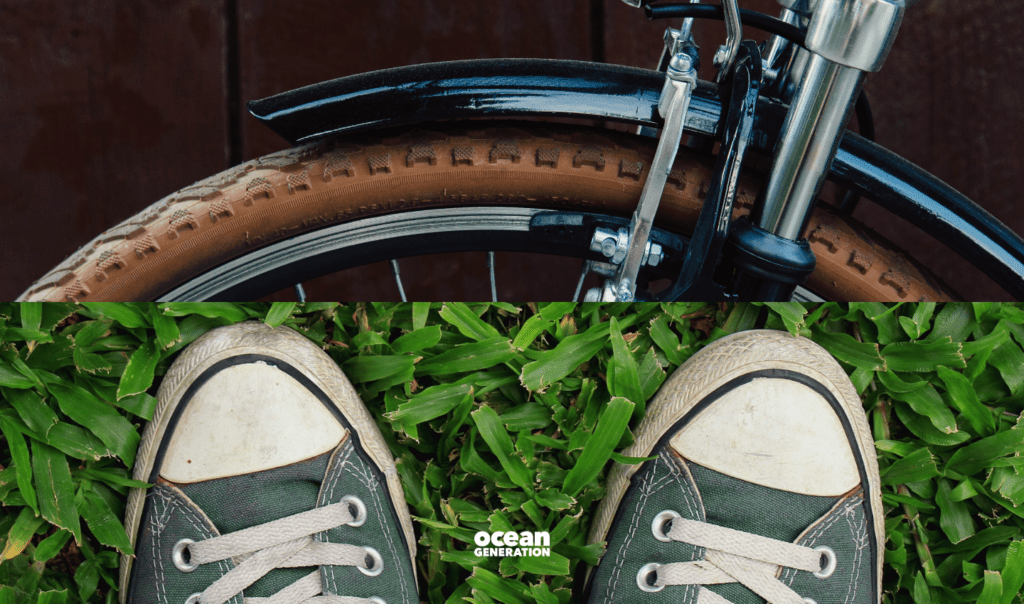
One of the best and most accessible ways of reducing our transport carbon footprint is by walking and cycling.

These two methods of transportation have low lifecycle CO2 emissions and are environmentally friendly alternatives to using a car or public transport. Electric bikes are also on the rise and can aid slightly longer distances.  

Image split in half horizontally. On the top half of the image is a close up of a bicycle wheel. On the bottom half, a pair of green sneakers on some lush grass. Image shared by Ocean Generation in an article discussing how the ways we travel impacts our planet's health.

Another benefit of walking and cycling is its positive impact on our health; it has been found to improve our physical health and reduce the risk of various diseases.

This could improve our mental health since it promotes social interactions and helps people feel more connected to both their communities and natural surroundings. 

But according to WHO, โ€œMore than half of all road traffic deaths and injuries involve vulnerable road users, such as pedestrians, cyclists and motorcyclists and their passengersโ€.  

We need to work on better road infrastructure and safer areas. Active travel needs to be accessible for disadvantaged groups so they too can reap the benefits.   

We need better public transportation networks.  

An effective public transport system can have significant effects on the reduction of transport related CO2 emissions. 

Trains, buses, trams, subways/metros, and more play a vital role decreasing emissions by directly reducing the need for car ownership which in turn minimises road congestion.

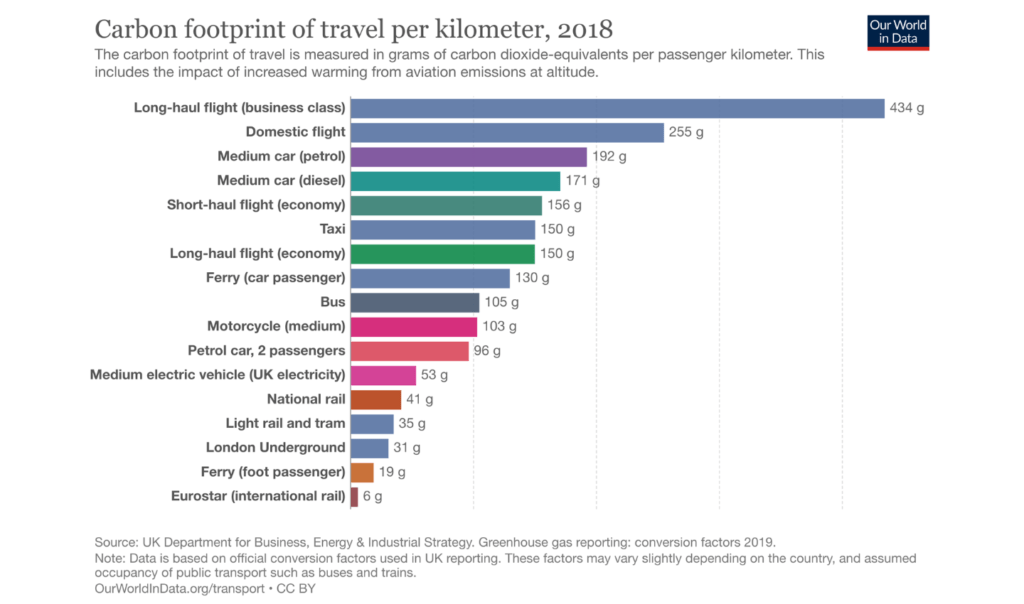
Here is a graph representing the carbon footprint of multiple transport modes:

Carbon footprint of travel per kilometer in 2018 from World in Data shared by Ocean generation.
The carbon footprint of travel is measured in grams of carbon dioxide-equivalents per passenger kilometer.
This includes the impact of increased warming from aviation emissions at altitude.

Some of the takeaways from Figure 1 are: 

  • Overall, the emissions discrepancy between air travel and public transport modes is highly evident.  
  • Light rail and trams are over 4 times less emitting than taking a taxi.  
  • Trains are always a better option than flying domestically.  
  • There is great potential in low-carbon international rail journeys, like in the case of Eurostar. 
  • Economy seats are more carbon friendly than business class which could be pointed to capacity difference (fewer and bigger seats in business class) and added amenities.  
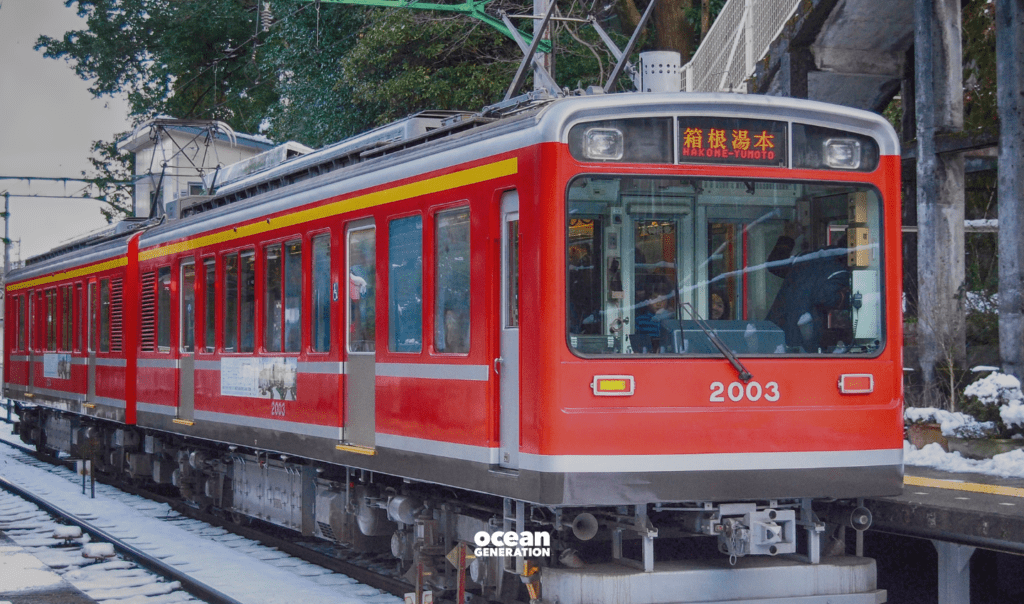
Red train coming to a stop in Japan, shared by Ocean Generation in an article that addresses the environmental impact of how we travel.

In wealthy countries such as Japan, South Korea, and Germany where a lot of investment and development of public transportation has occurred, it is well used by its locals and, as a result, greenhouse gas emissions from transportation are relatively low.  

In comparison, we see the opposite in the US which has invested more in highways resulting in a drop in the use of public transit and transportation emits more greenhouse gases than any other sector of the economy.  

Ultimately, a personโ€™s travel choices are deeply influenced by household income and transport prices. The IPCC suggests that increasing adoption of public transport modes will require making public transport more convenient, reliable, and less expensive than using a car. 

How can I become a responsible traveller?

Travelling with the environment in mind is possible:

  • Reducing the number of flights taken is always the best option.  
  • Avoid flights if alternatives exist (like rail, bus etc.).  
  • Choose direct flights where possible to maximise fuel efficiency and minimise emissions associated with take-offs. 
  • For short to medium distances, consider walking or cycling rather than individual vehicles or public transport.  
  • Trains, metros/subways, trams, and buses should be chosen over personal vehicles where possible. 
  • Voice your interest for better and/or more public transport options in your local area, if it doesnโ€™t already exist. 
  • Write to your local authorities to invest in pedestrian footpaths, cycling lanes, and enhance road safety.  
  • Sharing is caring; carpooling is a neat way of lowering your individual carbon footprint.  

Who are the orca outlaws sinking boats, and why are they?

Subscribe

Monthly: Impact in your inbox.

OceanGeneration-Join

10 Ocean actions from the Ocean Generation team

Hand cupping water presumably from the Ocean.

Every decision we make has an environmental impact

This means everyone can do something (or more than one something) to make our planet a bluer, healthier place to call home.

Our Ocean plays a critical role in regulating the climate and absorbing carbon emissions – most notably, through blue carbon ecosystems. So, taking Ocean action is in the best interest of all life on Earth.

Ocean action is climate action.

We asked the team at Ocean Generation – from those in our science team; to our founder, Jo Ruxton MBE; to those who manage our youth engagement programmes – to share the ways they take Ocean and climate action each day.

10 daily actions our team of Ocean lovers takes to protect the Ocean:

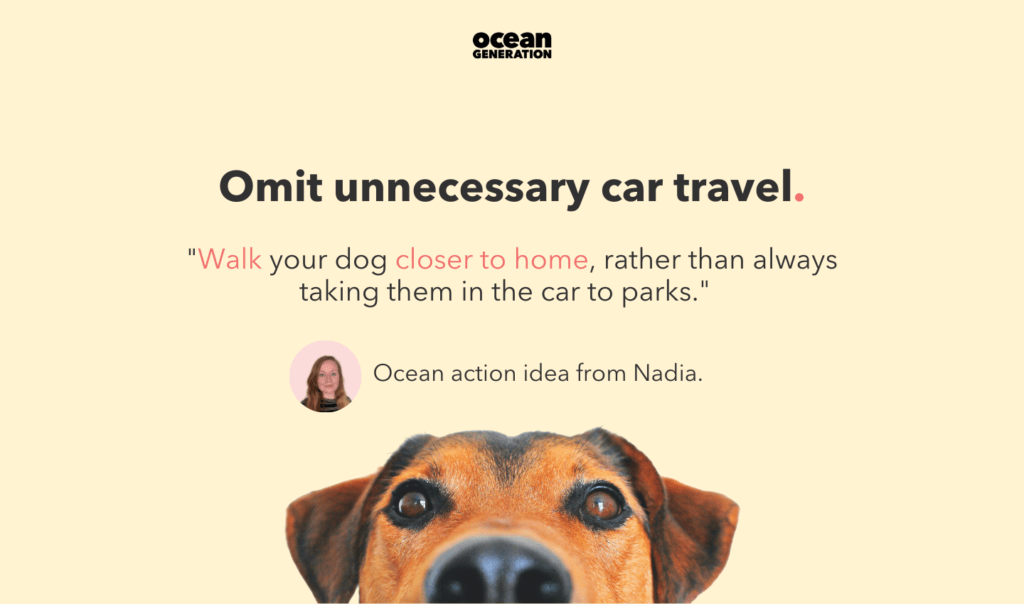
1) Omit unnecessary car travel

10 ways you can take action to fight climate change. Tip: Omit unnecessary car travel.

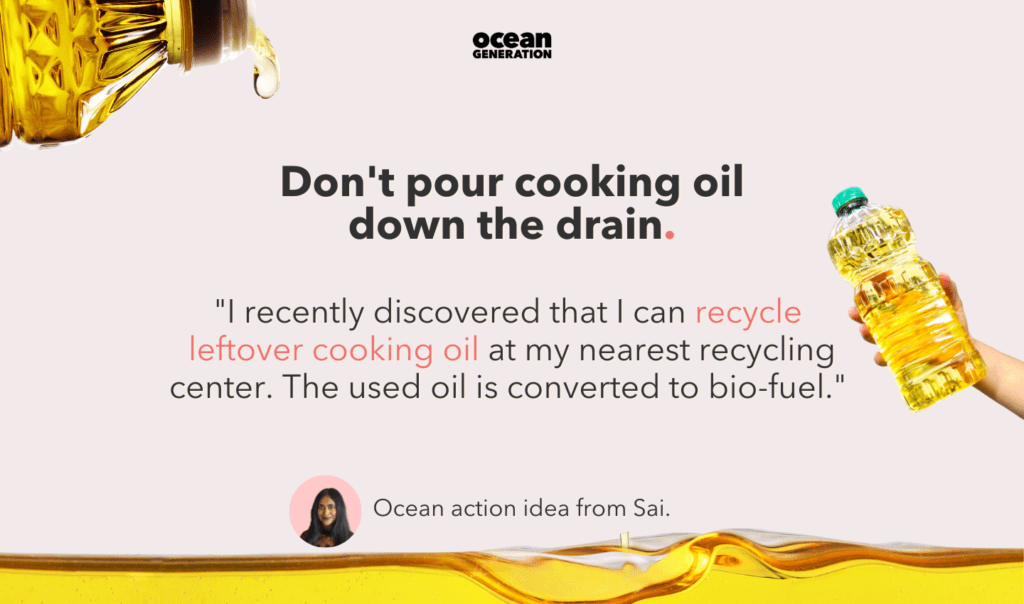
2) Don’t pour cooking oil down the drain

Ocean health tip from Ocean generation: Don't pour cooking oil down the drain.

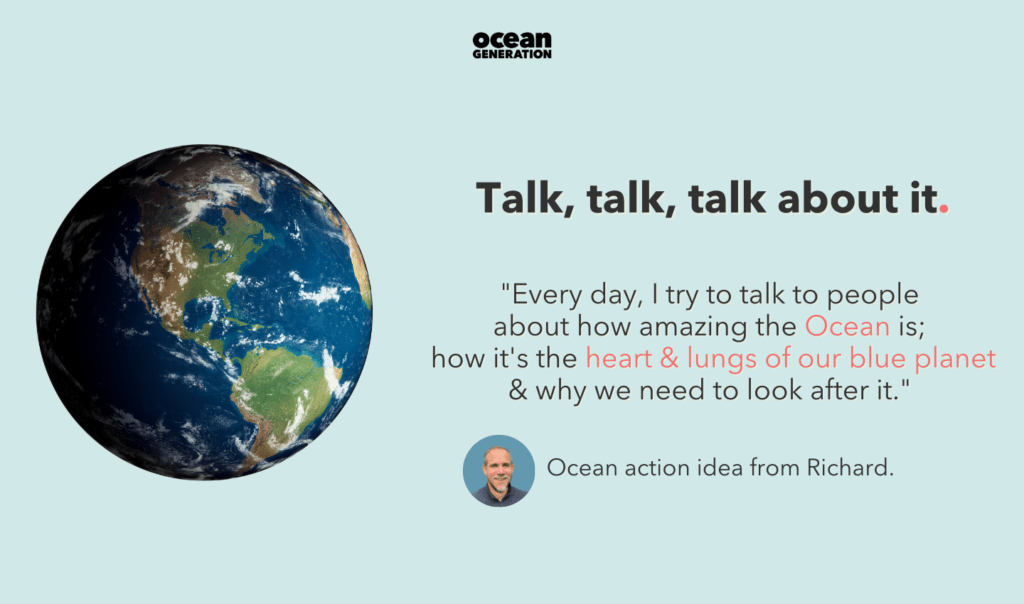
3) The best way to take Ocean action? Educate your inner circle about how important our Ocean is.

10 ways you can protect the Ocean shared by the Ocean Generation team. Tip: Educate the people around you about the importance of the Ocean.

Wondering where to start?
Incredible Ocean facts for you:

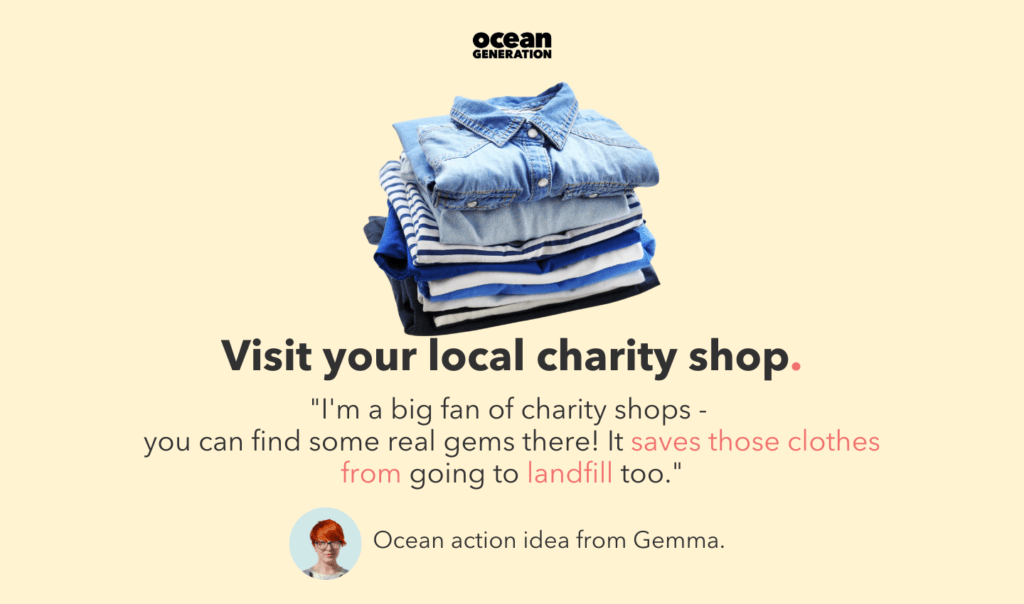
4) Shop second-hand

Sustainable living tip: Shop second hand and rethink your relationship with fast fashion.

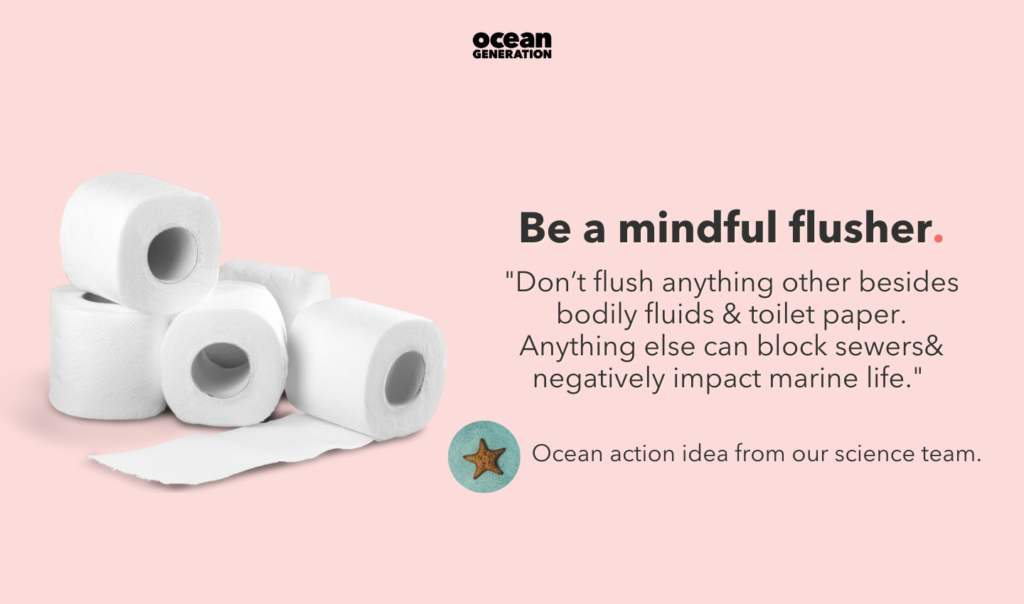
5) Be a mindful toilet flusher

Ocean action tip: Don't flush anything down the drain besides toilet paper and bodily fluids. What goes down the drain ends up in the Ocean.

6) Share what you love about the Ocean with others

You can connect with the Ocean by visiting it in person or using digital means to explore the depths under the sea.

Fun fact: 2.5 billion people live within 100km of the coast. But, of course, not everyone can take a dip in the Ocean every day.

What you can do from afar is go on a virtual Oceanic expedition. Dive into Ocean ecosystems across the world on Google.

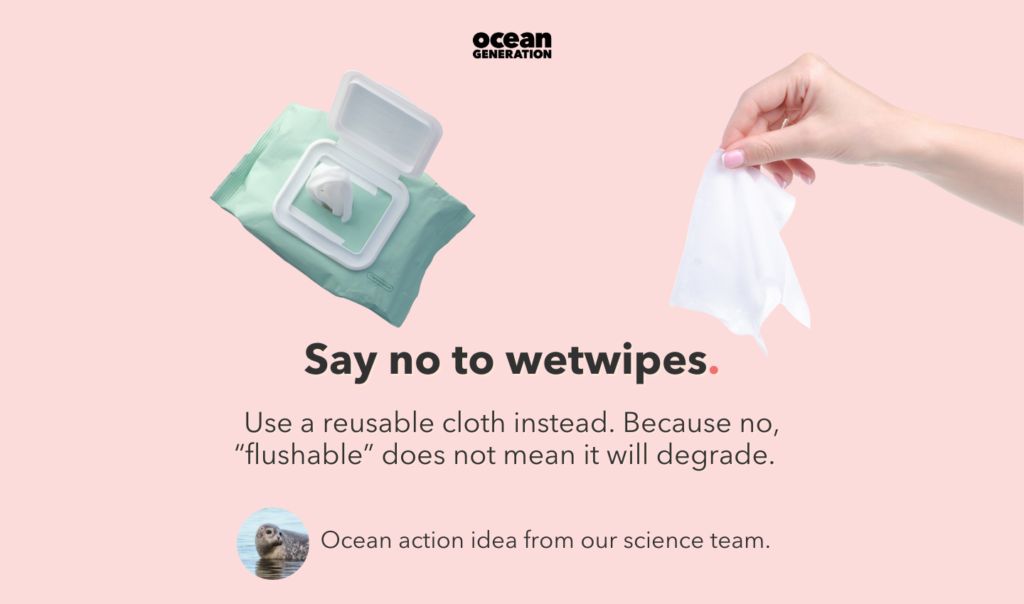
7) Say no to wet-wipes

Ocean protection tip: Say no to wet wipes. They don't degrade!

8) Integrate environmentalism into your career

10 ways you can fight climate change shared by the Ocean Generation team. Tip: Integrate environmentalism into your career and start talking about climate at work.

Easy ways to incorporate environmentalism into your work-life:

  • Bring the Ocean’s health and welfare of the planet into conversation.
  • Can you promote a paperless office?
  • How about suggesting old devices get recycled instead of tossed?
  • Try suggesting the use glasses instead of styrofoam cups at your next meeting or conference.
  • Send e-cards during the festive season and for birthdays – you can even donate the price of a paper card to a cause you care about.

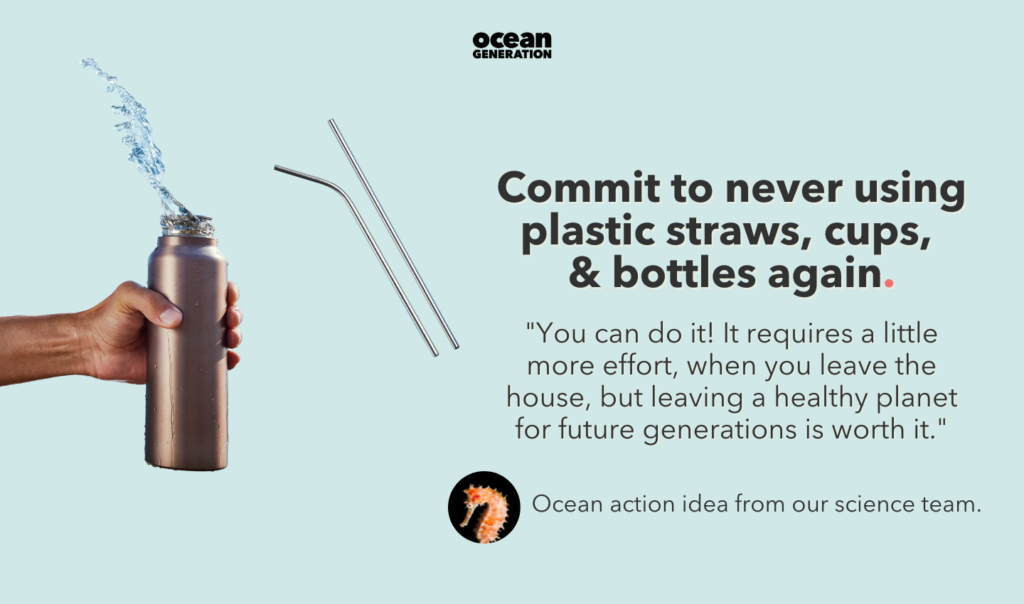
9) Make these easy plastic swaps – and then swear off unnecessary plastic items forever.

Protect the Ocean by committing to never using a plastic straw, bottle or cup again. There are so many eco-alternatives out there.

At Ocean Generation, we promote an inclusive approach to sustainability. We recognise that zero-waste, plastic-free, vegan, and zero-carbon lifestyles don’t work for everyone – and that’s okay. The world needs all of us to do what we can, within our means.

But in saying that, it’s also important to recognise that too many of us still use single-use plastics too easily. When did you last purchase a plastic bottle, a take-out coffee mug or use a single-use plastic straw?

Most single-use plastic items are unnecessary. There are (excuse the pun) an Ocean of eco-alternatives available.

It’s time to break up with unnecessary plastic. Identify what unnecessary single-use plastic you use. โœ… Make the switch to eco-alternatives. โœ… Commit to never going back. โœ…

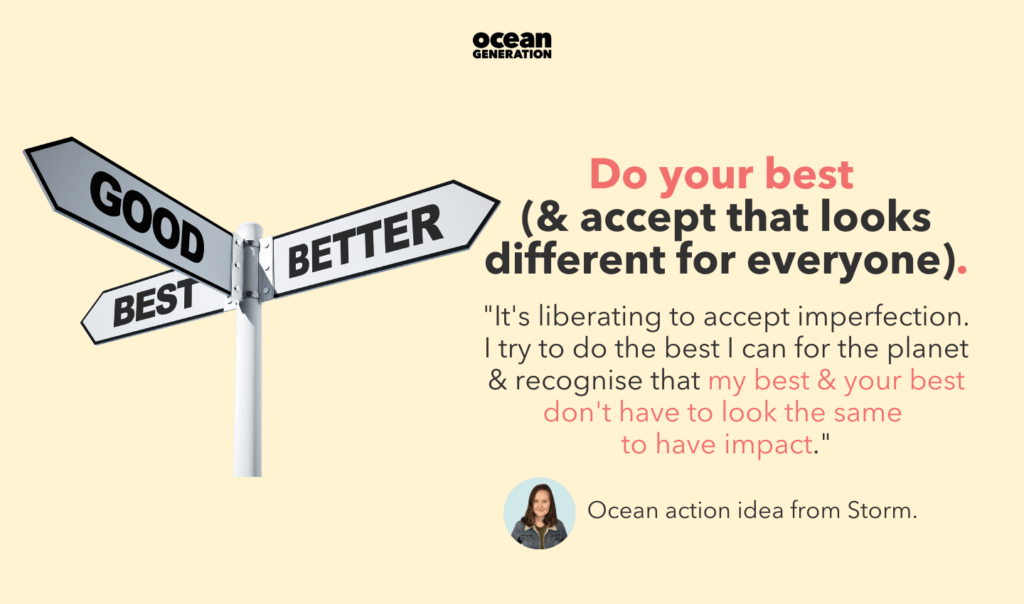
10) Do your best to take environmental action daily, and accept that ‘your bestlooks different for everyone.

10 ways you can fight climate change and protect the Ocean shared by the Ocean Generation team. Tip: Do your best to take environmental action and recognise that your best and someone elses best look different. We don't have to take the same action to make a positive difference.

Who are the orca outlaws sinking boats, and why are they?

Subscribe

Monthly: Impact in your inbox.

OceanGeneration-Join

What we Eat: Is locally sourced food better for the planet?ย 

Is locally sourced food better for the planet? Ocean Generation weighs in. The top half of this image shows lush lettuce with water droplets and the bottom shows a sea turtle swimming in the Ocean among some seagrass.

Over 10,000 years ago, we planted our first seeds and domesticated animals – marking a major milestone for homo sapiens (humans).

Fast forward to the present and itโ€™s easy to see that weโ€™ve come a long way from founding agricultural practices to the complex globalised food system weโ€™ve built today.  

Hands of a farmer picking fruit off of a plant, on a farm. Ocean Generation is sharing how what we eat impacts the health of our planet and Ocean.

Many of us are now able to purchase foods, in and out of season, throughout the year. Food systems tend to be high-yielding and complex: the low cost of the products could be argued to be offset by the hefty environmental cost.  

Is eating locally sourced food better for the planet? 

We are exploring the public discourse between local and non-local foods, through the lens of carbon emissions

But first, we need to understand the components of the food system.  

Whatโ€™s the environmental cost of the food on my plate? 

The food on our plates often makes its way to us through a complex food system.  

What is a food system 

A food system refers to the entire process (aka lifecycle) of producing, processing, distributing and consuming food.

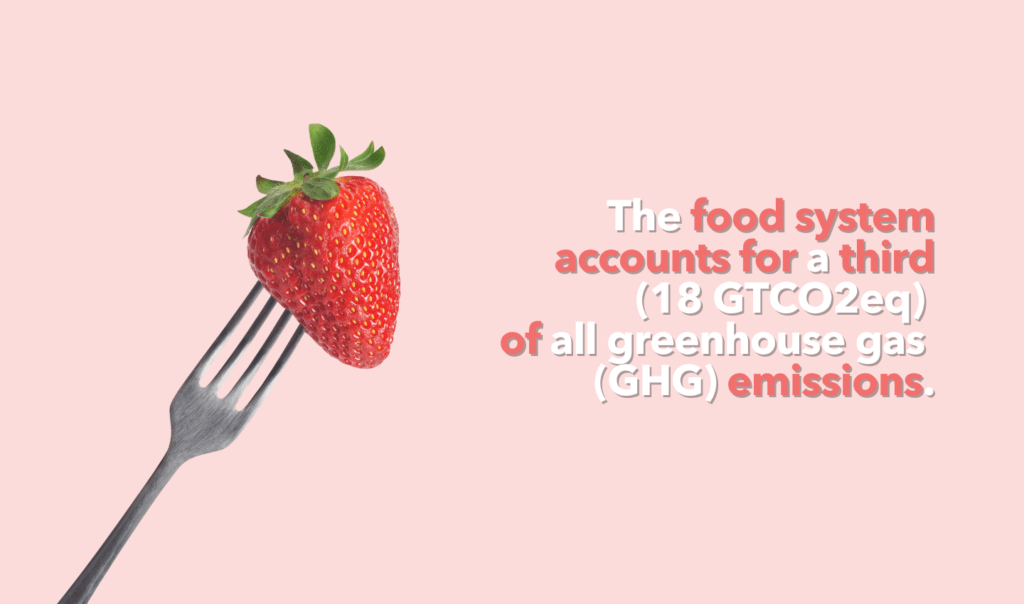
A strawberry on a fork along with the words: The food system accounts for a third of all greenhouse gas emissions. Shared by Ocean Generation.

This system accounts for a third, or 18 GTCO2eq, of all greenhouse gas (GHG) emissions where: 

Agricultural production (farms and animal feed) is responsible for a whopping 39% of the emissions. 

Changes in land use (deforestation and fluctuations in carbon in soil) is responsible for 32% of the emissions and, 

Other supply chain activities (like processing, transport, retail, packaging, and consumption) are responsible for 29% of the emissions.  

Aside from emissions, food systems are also accountable for high water usage and being the primary driver of biodiversity loss.

Evidently, the systems weโ€™ve built need transformative changes that minimise this environmental toll. It also means addressing the undeniable role of the meat and dairy industry in the rise of emissions. 

From a consumer perspective, many argue that buying local produce is the best way to minimise our emissions.

Although this is a popular policy recommendation, academia suggests a slightly different picture. 

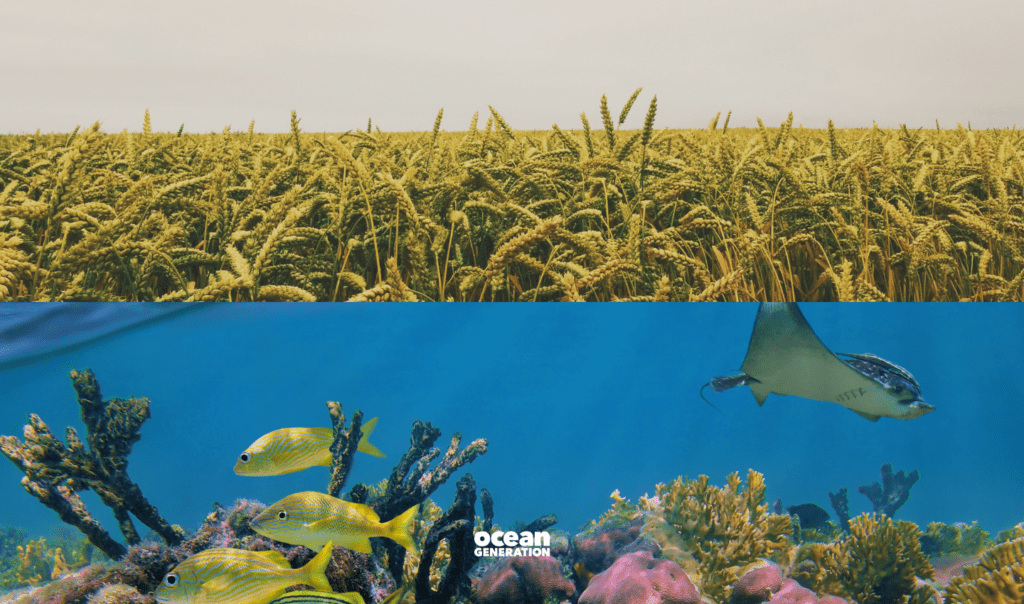
Above and below: Half of the image shows a farm with yellow wheat and the bottom half of the image shows a scene of corals and fish; life in the Ocean. A sting ray is swimming with a remora on its back and some yellow fish.

What does โ€œlocally sourcedโ€ food mean? 

There is no widely accepted definition of โ€˜localโ€™ food, but it broadly revolves around minimal distances between where the food is produced and where it is consumed.  

โ€˜Localโ€™ food can be interpreted in a few ways:

– Within a community, city, village, or county, 
– Within a State (like in US, India), or, 
– Within a small country (like Jamaica, Estonia, Lebanon) 

In the US, according to the 2008 Farm Act, to be classified as โ€˜localโ€™, foods would have to come from 400 miles or less.

If we apply this to a person shopping in Slovenia, a small European country, they could, in theory, buy produce from all their neighbouring countries and consider that as โ€˜localโ€™.

So, the different interpretations to โ€˜localโ€™ food allows room for varying circumstances.  

Does the type of transport used for foods matter? 

Yes! It is worth noting the emission disparities between different modes of transport.

The most GHG-efficient option for transporting food is via cargo ships. This is followed by rail, cars, vans, and trucks.

Unintuitively, storing foods locally year-round tend to be more GHG intensive than having the same products shipped from another country.   

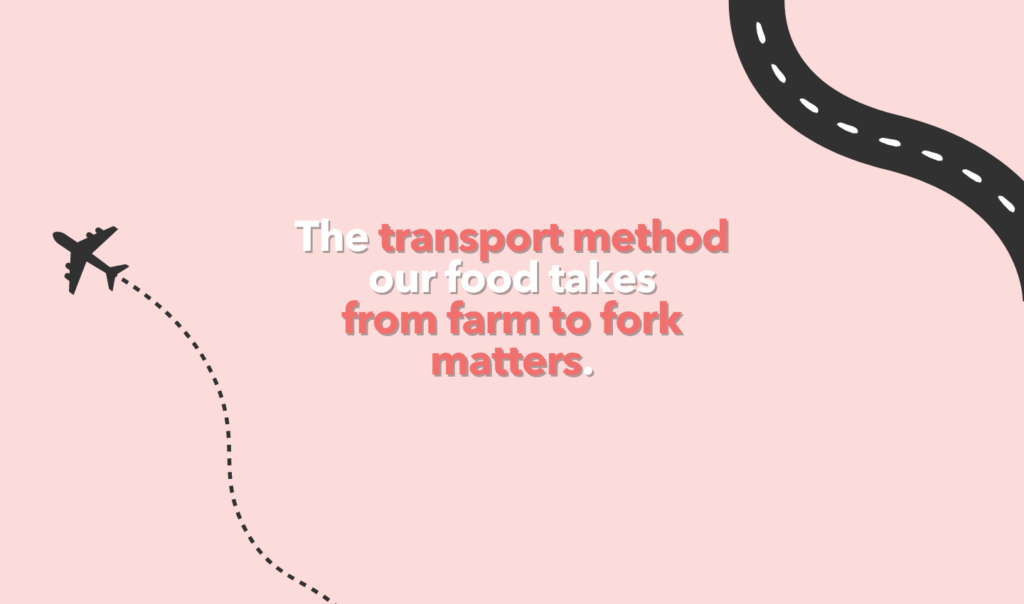
The transport method used to carry your food from farm to fork makes a huge environmental difference.

In general, air freighted foods are the least GHG-efficient. As a consumer, it can be difficult to assess what is air-freighted and what is not.

A useful guide is to assess whether the product has a limited shelf life (for example, mangoes and berries) and if it is from a country quite far away.  

Now, letโ€™s dive into a common question encountered in the local vs non-local food debate.  

Donโ€™t non-locally sourced foods mean higher travel emissions? 

Not necessarily.

Here are eight foods and their supply chain emissions visualised in two ways: 

Greenhouse gas emissions across the supply chain for 8 different types of food. [Credit: Our World in Data]ย 
Figure 1 GHG Emissions across the supply chain [Credit: Our World in Data] 
Greenhouse gas emissions across the supply chain for 8 types of food. [Credit: Our World in Data]ย 
Figure 2 Relative GHG Emissions across the supply chain [Credit: Our World in Data] 

In figure 1, we are able to see the overall emissions of certain foods, noting that some foods have high emissions (like meat) while some have low or negative emissions (like nuts). Therefore, we can make the biggest impact by swapping out high-emission foods where possible.  
Figure 2 allows for a deeper understanding of emissions from each step of the supply chain. Although there are exceptions, travel emissions for most foods are minimal compared to the emissions associated with land use, farming, and animal feed. 

If youโ€™d like to learn more about this in the context of other foods, click here to use the graphing tool. 

What are the best practices to adopt when sourcing foods? 

From an environmental perspective, making decisions on how to source foods can be unclear.

Some of the best practices guided by growing evidence suggests the following:  

– In terms of emissions reduction, what you eat matters more than whether it is local or not.  

– In general, buy locally grown seasonal foods like vegetables and fruits.  

– Buy local especially if you know where youโ€™re buying from, who youโ€™re buying from and how they grow the food. The transparency of supply chains will enable you to consider wider environmental, economic, and social impacts to make well-informed decisions. 

Who are the orca outlaws sinking boats, and why are they?

Subscribe

Monthly: Impact in your inbox.

OceanGeneration-Join

How can I tackle a problem as complex as climate change?

A ripple of water. Ocean Generation makes environmental science easy to understand and shares how each individual has a ripple effect on the environment and health of the Ocean.

The Ocean has never been this subjected to the level of intensity of climate change impacts caused by human activities. With every 0.1 degree C of warming, we make it more and more difficult for humans, flora, and fauna to adapt.ย 

A warming Ocean means that marine ecosystems like coral reefs and salt marshes are less able to host marine biodiversity and sustain many benefits for humans.

This also disrupts the Oceanโ€™s ability to regulate the global climate system, water, and carbon cycle.ย 

It goes without saying that the climate crisis is now a defining issue of our lifetimes, and we have a slim window of opportunity to reduce our collective impact.ย 

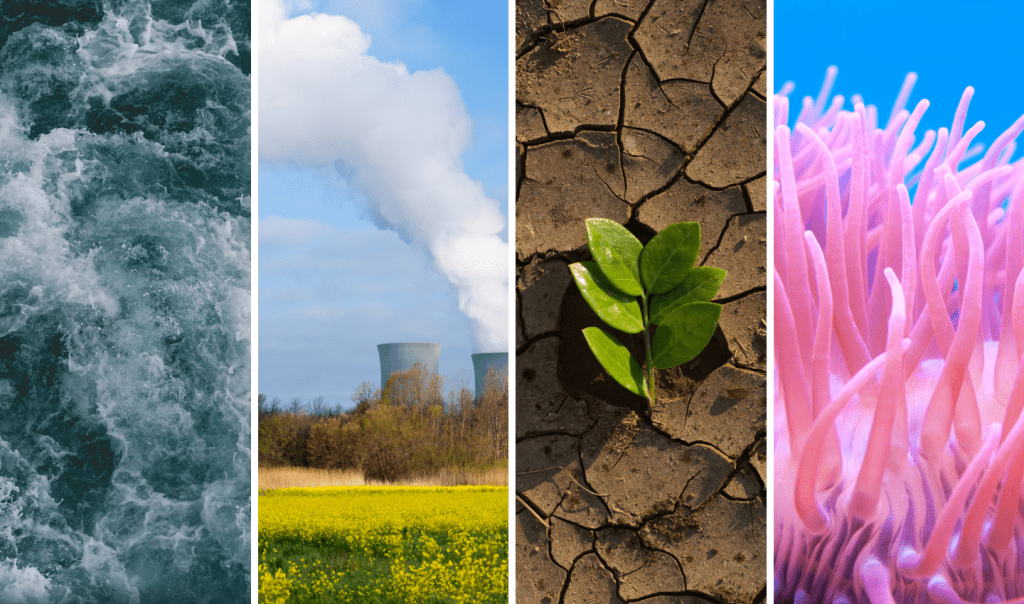
Four images side by side: Rough blue Ocean waves and foam, a factory releasing carbon emissions behind a field of yellow floowers, a single green lead on a crusty dry piece of Earth, a bright pink and healthy coral in the Ocean. Ocean Generation makes climate science simple to understand.

Is there a way out of the climate crisis? 

The Ocean stores 20-30% of greenhouse gas (GHG) emissions from human activities but this is unsustainable, resulting in an acidic, slow circulating, less oxygenated Ocean.

To put it simply, we need to rapidly reduce our emissions to give young people and future generations a chance to secure a sustainable future.  

According to the latest IPCC report, we need to cut global GHG emissions by nearly half by 2030. These emissions come from electricity production, food, agriculture, land use, industry, transportation etc. Cutting emissions requires global collaboration and cooperation โ€“ from governments to individuals.  

The challenge is immense, but the solutions could not be clearer.

A ripple of water. Ocean Generation makes environmental science easy to understand and shares how each individual has a ripple effect on the environment and health of the Ocean.

What do we need to do to limit global warming?  

Some of these solutions have already been set in motion: Reducing our reliance on fossil fuels, increasing uptake of clean energies, restoring carbon sinks, and much more. The slow pace of adoption and funding associated with these solutions have been repeatedly questioned, given the world is currently at 1.1C.  

The effects of climate change are already being felt in different corners of the world, albeit disproportionately.  

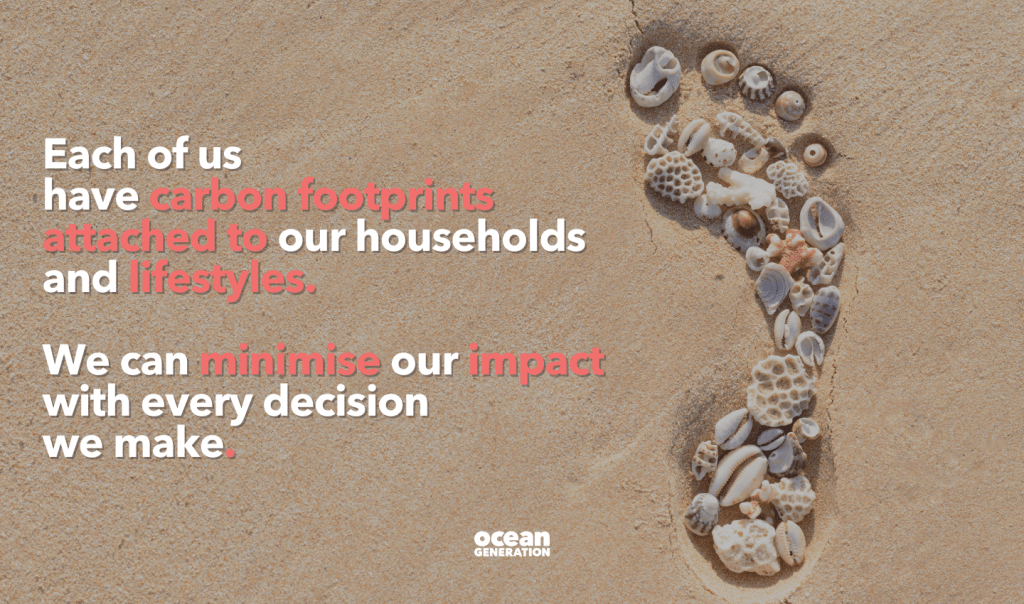
In order for us to stay within any warming limit, we need to make the necessary changes needed to sustain humanity as a whole. And as individuals, each and every one of us have carbon footprints attached to our households and lifestyles.  

We must address the fact that
we do not emit emissions equally 

Globally, there are huge disparities between those who over-consume and those who consume less due to socioeconomic and geographic factors.  

In fact, the top 10% of high-income households contribute 34โ€“45% of consumption-based household GHG emissions and the bottom 50% contribute 13โ€“15%.  

These stark differences mean that individuals in the top 50% are the in the best position to reduce their emissions, giving the opportunity to raise living standards for those in the bottom 50%.  

When considering our lifestyles, the conclusions are quite similar. 

What impact do our lifestyle choices have on carbon emissions?  

According to 2022 UNEP report, โ€œthe lifestyles of the wealthiest 10% of the worldโ€™s population (broadly speaking, most middleclass persons living in industrialised countries), are responsible for almost half of the global emissions, while the lifestyles of the wealthiest 1% are responsible for about twice as many GHG emissions as the poorest 50%โ€.  

Lifestyles are not just about the things we consume, but also addresses the communities we live in, the values we foster and the choices we make.

Individuals that are socio-economically well-off are in an instrumental position for enabling change. One paper suggests that individuals in this category could reduce emissions as role models, citizens, organisational participants, investors, and consumers.  

Ultimately, environmental, and societal well-being go hand-in-hand; it is in humanityโ€™s best interests to fairly consume within our means.  

Footprint made of sea shells on the sand at a beach. Each of us has carbon footprints attached to our households and lifestyles. We can minimise our impact with every decision we make.

What can people to do to lower their carbon emissions 

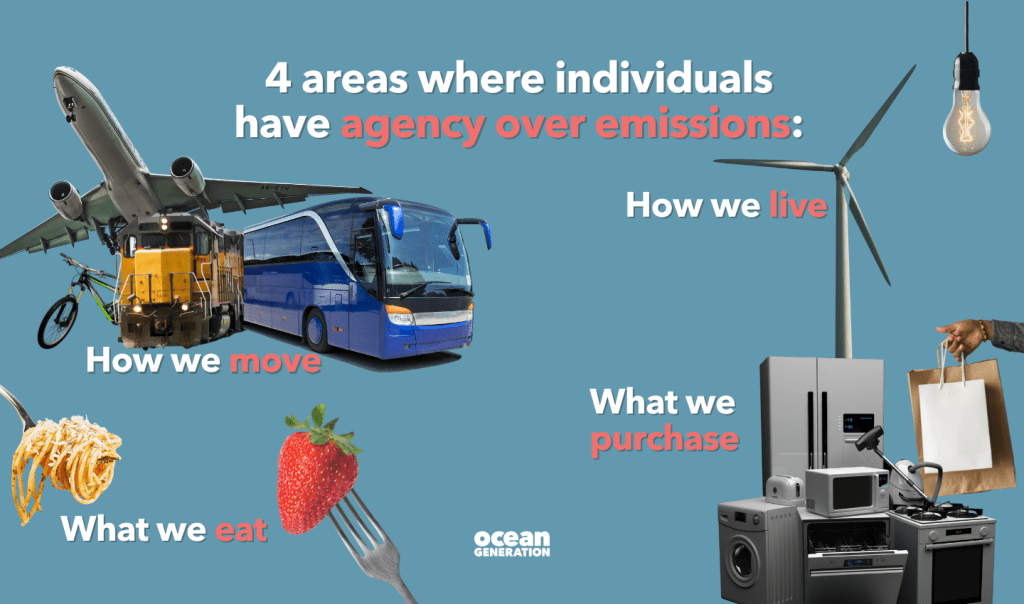
There are four key areas where individuals can have the most impact: Food, transport, housing, and the things we buy (like appliances, clothes etc).  

There is no denying that industry supply chains have a responsibility to reduce environmental impacts and provide sustainable choices. Small, and local businesses also tend to be more transparent, gaining consumer trust. Low-carbon alternatives exist in each of the aforementioned areas, and we can collectively vouch for further changes, whether thatโ€™s accessibility or affordability.  

At Ocean Generation, we will be covering climate change solutions under each of the above areas through 2023. Namely:

What we Eat food sources, diets, and food waste 
How we Move modes of mobility 
What we Purchase appliances, fashion 
How we Live energy sources and energy-saving behaviours 

Four areas where individuals have agency over their emissions: how we move, how we live, what we purchase and what we eat. Ocean Generation will be covering solutions related to climate change because climate solutions are Ocean solutions. We cannot have a healthy planet without a healthy Ocean.

Climate change solutions are Ocean solutions, and vice versa.

The finite resources on this planet need to be utilised efficiently and distributed equally while minimising our impact with each and every decision we make.  

The future of the Ocean is very much in our own hands.  

With every 0.1C degree warming avoided, biodiversity and humans are given another chance. Letโ€™s make every choice count!  

The future of the Ocean is in our hands. To have a healthy planet, we need a healthy Ocean. Ocean Generation shares climate change solutions and Ocean solutions to safeguard our planet.

Who are the orca outlaws sinking boats, and why are they?

Subscribe

Monthly: Impact in your inbox.

OceanGeneration-Join

What is the UN High Seas Treaty and why does it matter?ย 

After two decades, the open Ocean or โ€˜high seasโ€™ are on its way to being protected.  

On 20th February 2023, the fifth session of the Intergovernmental Conference (IGC) on Conservation and Sustainable Use of Marine Biodiversity of Areas Beyond National Jurisdiction (BBNJ) resumed negotiations in attempt to agree on a treaty to protect the high seas.

The last negotiations were held in August 2022 and ended without agreement.  

โ€œOur Ocean has been under pressure for decades and we cannot ignore the Ocean emergency,โ€ said Antรณnio Guterres, UN Secretary-General in a statement, reiterating the need for a treaty that paves the way for a sustainable Ocean. 

What are the โ€œhigh seasโ€? 

High seas refer to the vast majority of the Ocean that lies beyond national jurisdictions. This open water is not governed by any one country and covers 64% of the Oceanโ€™s surface. 

Global map showing the extent of exclusive economic zones (EEZโ€™s) and the high seas. [Extracted from Sumaila et al.]

What does the High Seas Treaty mean for our Ocean 

After an extra day of intense negotiations, IGC president, Rena Lee, Singapore, announced that the United Nations (UN) High Seas Treaty had been agreed.

This was a monumental milestone twenty years in the making.

โ€œThe ship has reached the shore!โ€

IGC President, Rena Lee, Singapore.

5 main takeaways from the High Seas Treaty:

Strengthening 30 x 30 โ€“

This agreement seeks to protect 30% of the Ocean by 2030. This was an outcome from COP 15 (the global biodiversity conference held in Dec, 2022) that will be strengthened with the help of this treaty.  

Marine Protected Areas (MPAโ€™s) –

This treaty will provide the legal framework necessary to set up MPAโ€™s as no such framework currently exists.  

Conference of the Parties (COP) –

Establish a COP to ensure accountability on issues like biodiversity and governance.  

Marine Genetic Resources (MGRโ€™s) โ€“

Highlighting the need for processes to share genetic resources like plants and animals for pharmaceuticals, food, cosmetics, etc.  

Environmental Impact Assessments (EIAโ€™s) โ€“

Greater obligations to conduct EIAโ€™s on activities relating to pollution or any potential effects on the marine environment that is unknown or not yet fully understood.  

 Ocean Generationโ€™s Statement on the High Seas Treaty: 

โ€œWe are delighted to hear that the UN High Seas Treaty has finally become a reality.  

A healthy Ocean is vital for the survival of all living things, and this is the message we continue to deliver through our work at Ocean Generation. Protecting 30% by 2030 must, however, be seen as a minimum requirement.  

We view this agreement as a starting point. The Ocean is our ally in the fight against climate change and we must stop underestimating its role in our survival. The sooner this treaty is ratified by all countries, the better chance we have of a safe and healthy future for the generations that will follow us.โ€ 


Jo Ruxton MBE 
Founder of Ocean Generation 

We intend to update this article once the final text of the treaty has been published. 

Who are the orca outlaws sinking boats, and why are they?

Subscribe

Monthly: Impact in your inbox.

OceanGeneration-Join

Our Impact: Understanding the 5 Ocean Threats

The Ocean is a flourishing ecosystem that can maintain itself.

But our actions have been negatively impacting the Ocean for decades, at a rate our Ocean cannot keep up with.ย 

There was a time when we thought the Ocean was endless. So, we treated it that way: Taking what we wanted, when we wanted, in whatever quantity we liked.ย ย 

It took us far too long to realise the many ways we threaten our Ocean.ย But now we know better.

Our Ocean is one of our planet’s most valuable ecosystems.

The Oceanย provides over 50% of the world’s oxygen, captures 30% of human-made carbon emissions, and mitigates the climate crisis. The bottom line: We need a healthy Ocean for a healthy planet.ย 

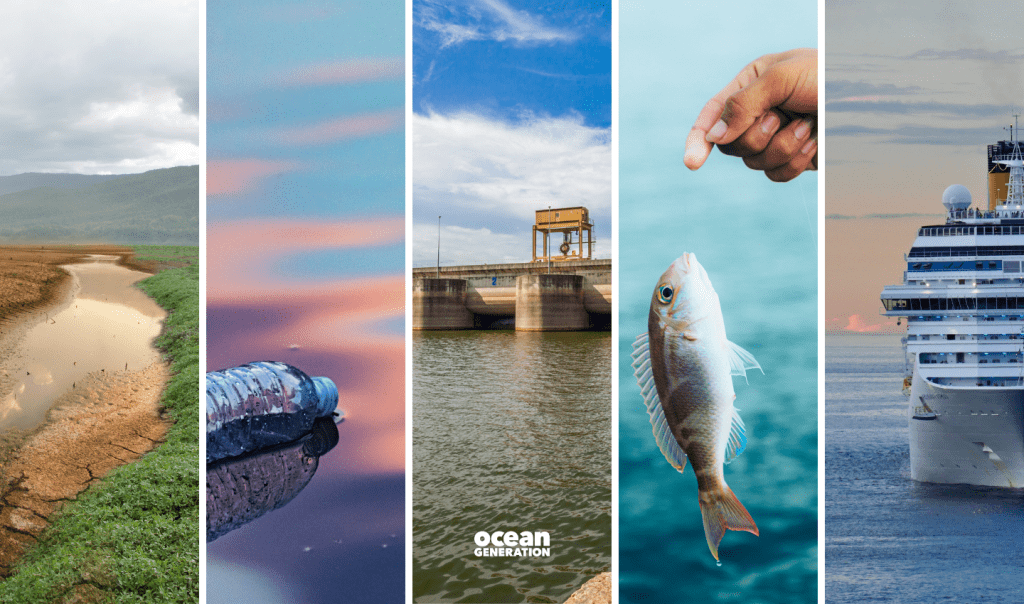
What are the 5 key ways human activity impacts the Ocean? Ocean Generation is sharing the human threats our Ocean faces. 5 images side by side represent the threats: a dry landscape for climate change; a plastic bottle in the Ocean for pollution; a dam wall for costal infrastructure; a caught fish for resource extraction; and a cruise ship for daily Ocean use.

How does human activity threaten the Ocean?

Our Impact work explores the 5 key ways human actions negatively impact the Ocean.

Many of the underlying actions causing these Ocean Threats have existed throughout the course of human history – but have become unsustainable more recently because of rapid population growth and the consequent scale of our impact on the marine environment.ย ย 

What human activity impacts the Ocean the worst?

There are no known, credible, scientific classification of the severity of these Ocean threats. What does that mean – simply? We can’t tell you which of the five threaten the Ocean the worst.

But there’s no doubt that all of these Ocean threats are inter-related and can combine to have vast negative impacts on Ocean health, marine habitats and marine life which, in turn, pose serious threats to human health.

What are the 5 human-made Ocean threats?

1. Climate change: We can’t talk about climate change without the Ocean

It’s widely accepted that human actions are the primary drivers of climate change. The biggest culprit? Burning fossil fuels (for example, coal, oil and gas) to produce energy is the main cause of climate change.

Signs of climate change are all around us – and impossible to ignore. But too few of us understand the important role our Ocean plays in mitigating the climate crisis.

How does the Ocean mitigate climate change?

Our Ocean plays a fundamental role in regulating global temperatures, storing massive amounts of carbon, and capturing heat from the atmosphere.

Although the Ocean drastically mitigates climate change, it’s also impacted by climate change. These changes (like increased Ocean heat), have negative consequences on Ocean health and thus, all of us.

2. Pollution: It’s not just plastic polluting our Ocean. 

Plastic is, by far, the mostย common and impacting pollutant in the Ocean.

80% of plastic in our Ocean comes from the land and most of that is made up ofย single-use plasticย items; products we use once, then throw away. And that’s the biggestย problem with plastic: there is no โ€œaway.โ€

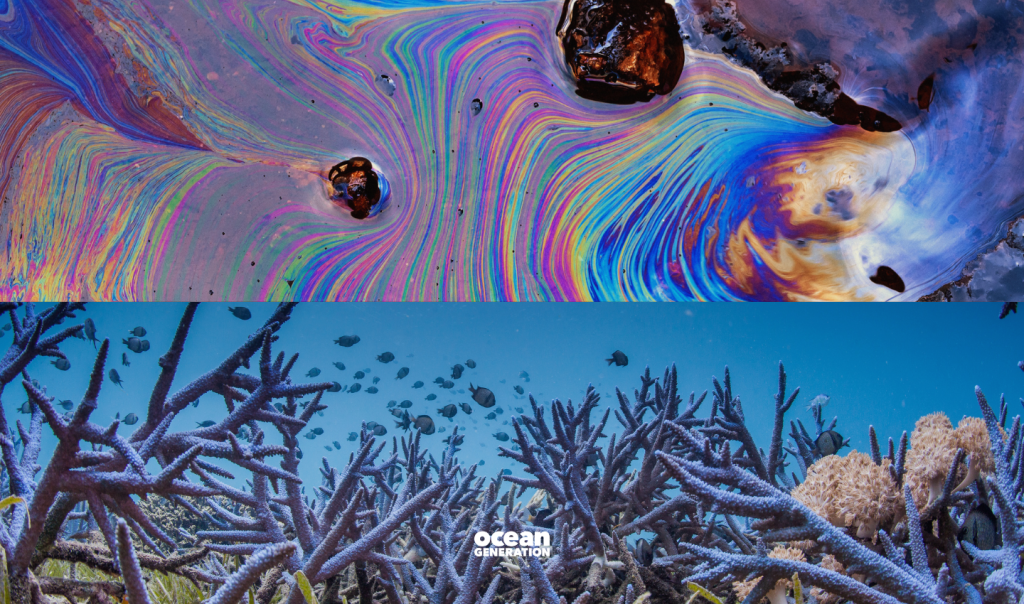
This Ocean Generation above and below image shows human impact on the Ocean in the top half of the image with an oil spill in the Ocean and in the bottom half, the flourishing Ocean. An array of fish are swimming among bright blue corals.

3. Coastal Infrastructure Development: Why do we need to protect our coastlines?


2.5 billion people live within 100km from our Ocean.

Coastal regions are densely populated areas with increasing rates of population growth (and who can blame them? Living near the Ocean has numerous benefits.)

But rapid urbanisation of our coastlines has negative impacts on the environment – many of which are linked to climate change.

With higher frequencies of natural weather events (like cyclones and hurricanes), erosion and land loss, and flooding, coastal regions have never been this vulnerable.

4. Resource Extraction: What resources do we extract from the Ocean? 

Around 3 billion people rely on the Ocean for their primary source of protein: Seafood.

Seafood is the mostย notable thing weย extract from the Ocean but it’s not the only thing. We also extract minerals, fossil fuels, and plants from the Ocean.

Our Ocean – as incredible as it is – is not limitless.

We must recognise the limits of Ocean resources and control the quantity and frequency at which we extract resources from the Ocean; allowing it time to replenish and regenerate.ย Otherwise, we will reach a point of no return.

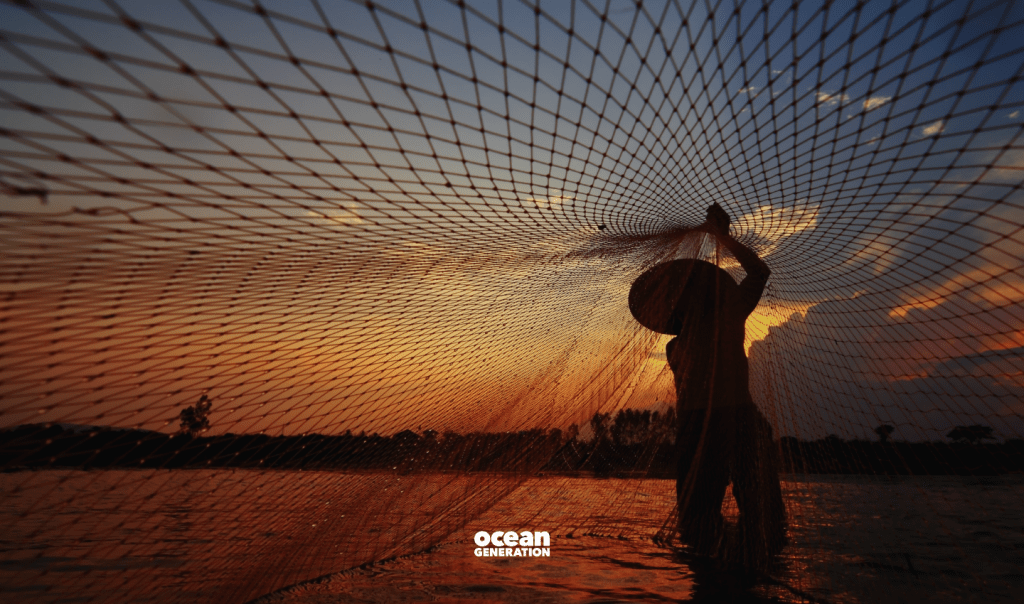
A fisherman, standing knee deep in the Ocean, is holding up a fishing net. It is sunset and only the outline of the fisherman and his hat can be seen against the yellow sky. In this blog, Ocean Generation is sharing the negative impact of resource extraction on the Ocean.

5. Daily Ocean Use: What’s the impact of daily human actions on the Ocean?

Humans work hard and always have something on the go. The Ocean is no different.

All around the world,ย our Ocean is in use every day. From cargo shipping for trade, passenger traffic for travel to commercial fishing and research – the Ocean is used widely. How we make use of the Ocean is what’s important.

We need to turn to using the Ocean sustainably to protect the awe-inspiring ecosystem that supports all life on Earth.ย 

What can I do to protect our blue planet?

Understanding the 5 main threats our Ocean faces is step one. Step two is doing something about them. Some of these Ocean Threats can feel overwhelming – but they don’t have to be.

Working together is humanity’s superpower. And it remains our best tool for solving the worldโ€™s biggest problems, and simultaneously, restoring our Ocean.

Three ways you can take environmental action – with a focus on the Ocean – right now:

  1. Subscribe to our newsletter to receive monthly impact in your inbox; explore our Science Hub; or visit our Instagram page for bite-size environmental education.

  2. Recognise that you don’t have to be perfect.

    Ask yourself: What can I do right now to decrease my carbon footprint? What can I do to be a voice for our Ocean and empower others to do the same?

  3. 20 actions to reduce and reuse plastic.

Subscribe for simple Ocean Science and pop-culture stories

* indicates required

View previous campaigns.

Ocean Generation will use the information provided here to be in touch with updates and marketing.

You can unsubscribe at any time.

Who are the orca outlaws sinking boats, and why are they?

Subscribe

Monthly: Impact in your inbox.

OceanGeneration-Join

Our Impact: The cost of daily Ocean use

This is part of our Four Pillars work that highlights the importance of the Ocean, the human-made threats it faces, and the solutions our Ocean provides.

What is the cost of our daily Ocean activities

What’s there to love about the Ocean 

Many things come to mind: How vast it is, Ocean biodiversity, being able to swim, dive, snorkel, travel and so much more.ย ย 

This large body of water helps us stay connected with each other through global trade and passenger routes.

The Ocean also helps us learn about, explore, and enjoy its many offerings through touristic and recreational activities. But this daily Ocean use can also be harmful to the marine environment if we are not careful.ย 

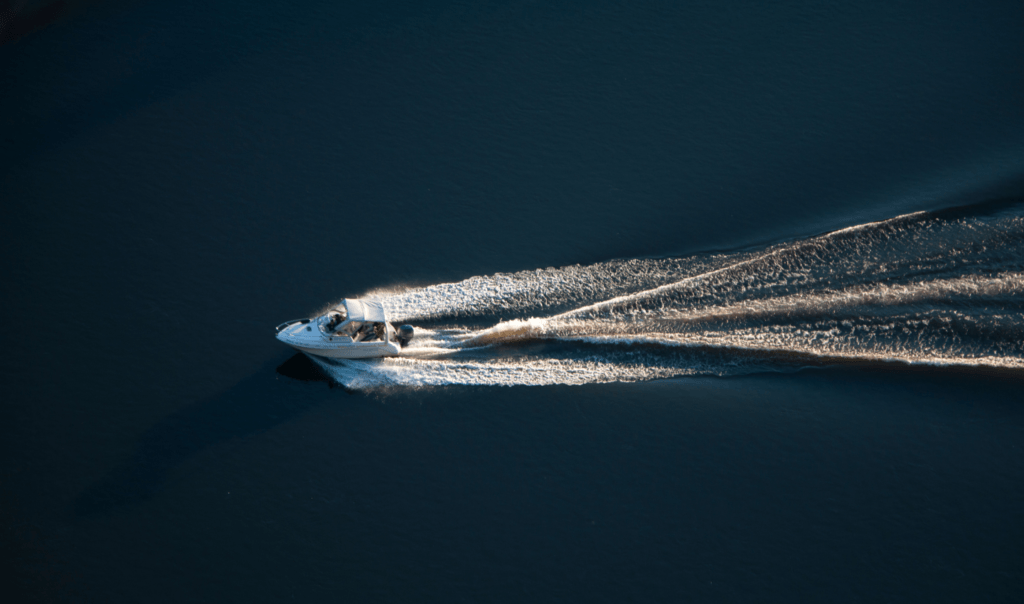
Recreational boating in the Ocean. In the image, a speedboat cuts across Ocean waves leaving a trail in its wake.

The impacts of tourism on our Ocean  

The issue with โ€œsun, sea, sandโ€ tourism on Ocean biodiversity 

Touristic Ocean activities are mainly experienced through cruising or coastal tourism.

One of the major impacts on the Ocean comes from coastal infrastructure development dedicated to cultivating tourism hotspots: think airports, hotels, or retail shops.  

Effective planning and management are crucial in minimising the impacts on biodiversity. If foregone, the effects are dire: a 15-year unplanned development period at Vlora Bay, Albania resulted in the disappearance of over 50% of seagrass meadows and a huge reduction in macroalgae.  

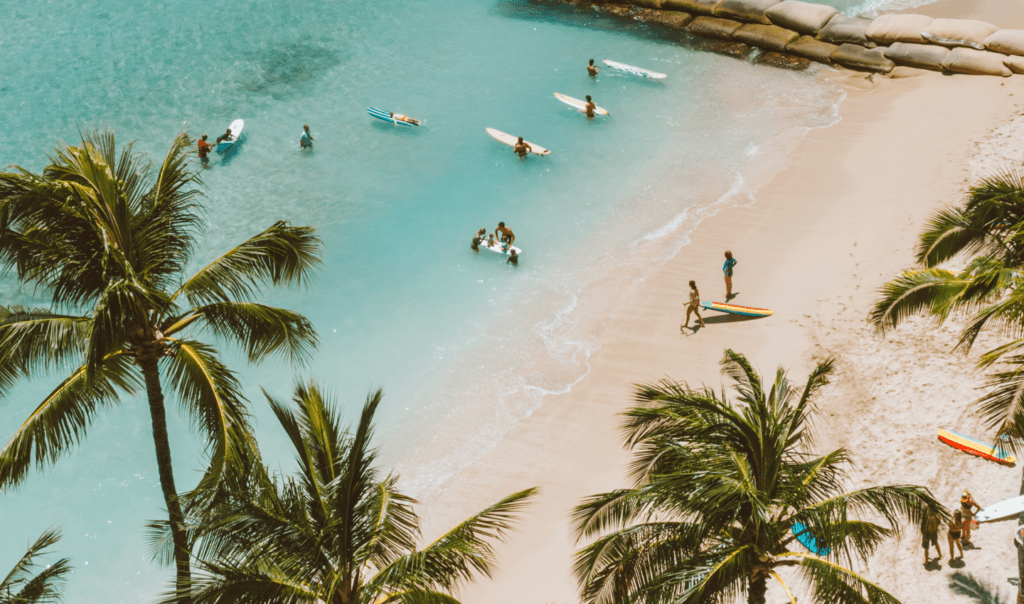
People enjoying a beach and the blue Ocean waves.

Furthermore, studies continue to show that beaches with extensive tourism are less rich in nutrients and biodiversity, when compared to natural shorelines. This is often the case to appease tourists with what an โ€œidealโ€ beach might look like.  

Our love for water-based recreational activities impacts marine life 

There is nothing quite like spending some time in the water, whether that may be a pool, a lagoon, a lake, or the mighty Ocean.  

Scuba diving and snorkeling are highly popular activities, and the prime locations are areas with coral reefs.  

Coral reefs  attract large numbers of tourists each year.

Around the world, coral reef tourism is valued at an estimated $36 billion annually.

In terms of visitor numbers, this equates to 70 million tourist trips that would not have happened without the presence of these magnificent reefs.  

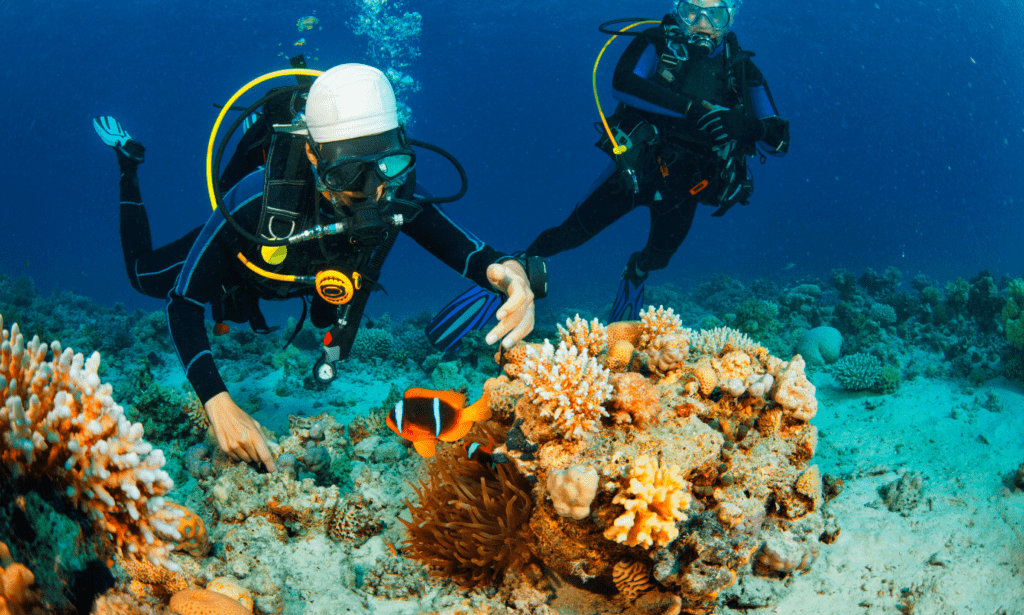
Coral reef tourism is valued at $36 billion every year. A scuba diver is reaching out to touch a fish in a coral reef.

Studies have shown that diver interactions can be damaging to the reefs.

This mostly comes down to the risk of breaking or touching the fragile reefs. Better training for the divers and overall management techniques are needed to ensure coral reef tourism is sustainable.  

Other activities that attract visitors include birdwatching, whale watching and recreational boating.

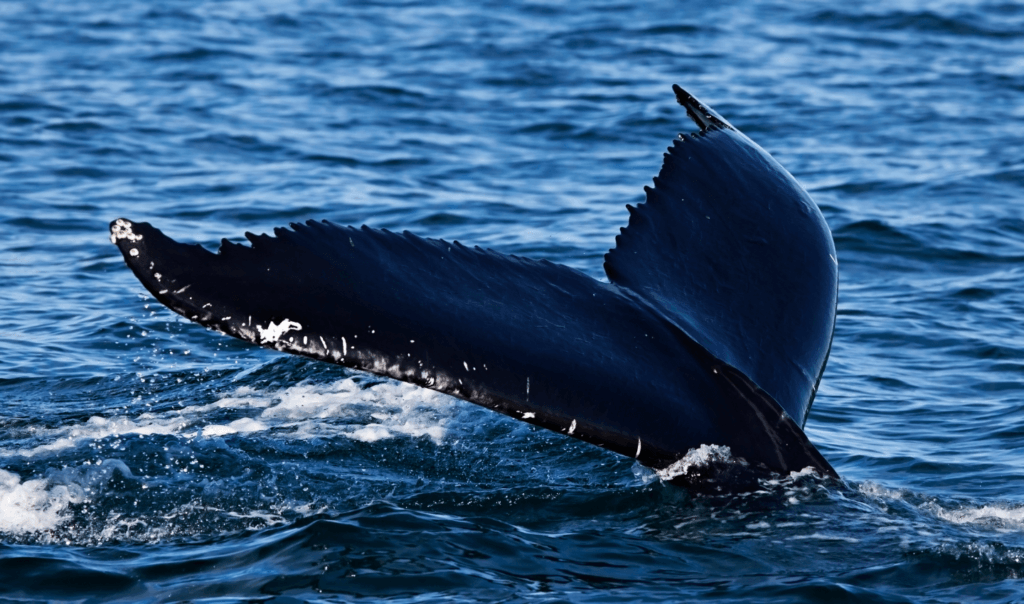
Whale watching is a significant tourist activity, generating about $2.1billion per annum, globally. Millions of people engage in this activity which may benefit conservation efforts through change in attitudes towards marine life and natural environments. Yet, uncontrolled whale watching efforts can disrupt their natural behaviours.  

A whale tail image. The whale's tail is dipping into the Ocean waves.

What are the effects of marine traffic on the Ocean? 

Marine traffic mainly comprises of shipping cargoes and passenger movements. This traffic can impact the Ocean through various forms of pollution (air, water, noise, oil spills) as well as biodiversity losses.  

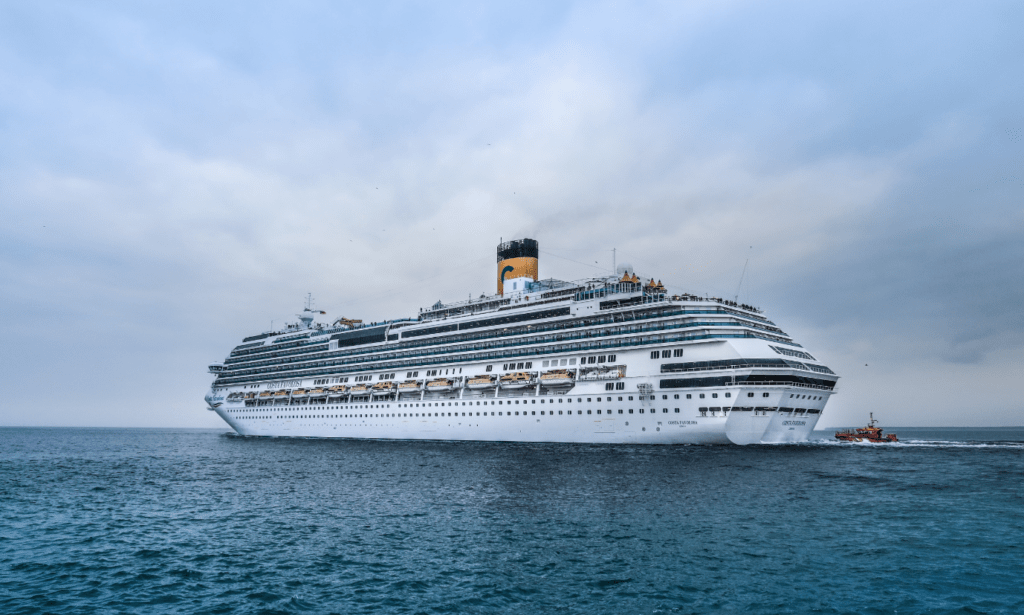
Passenger traffic has seen an increased interest in cruises โ€“ the number of passengers has increased by about 5% per year, with major hotspots being the Caribbean and Mediterranean.  

There is also an increased interest in Antarctic and Arctic tourism. With melting sea ice in the Arctic, new parts of the area open, which is likely to be subjected to more impacts.  

Cruise boat in the Ocean.

New innovations in marine fuels and strict adherence to the codes provided by the International Maritime Organization (IMO) are necessary to limit the environmental impacts caused by marine traffic.  

But what if we just limited the traffic? 

Here is an insightful case studyโ€ฆ  

Research Spotlight: What happens when we curb marine traffic? 

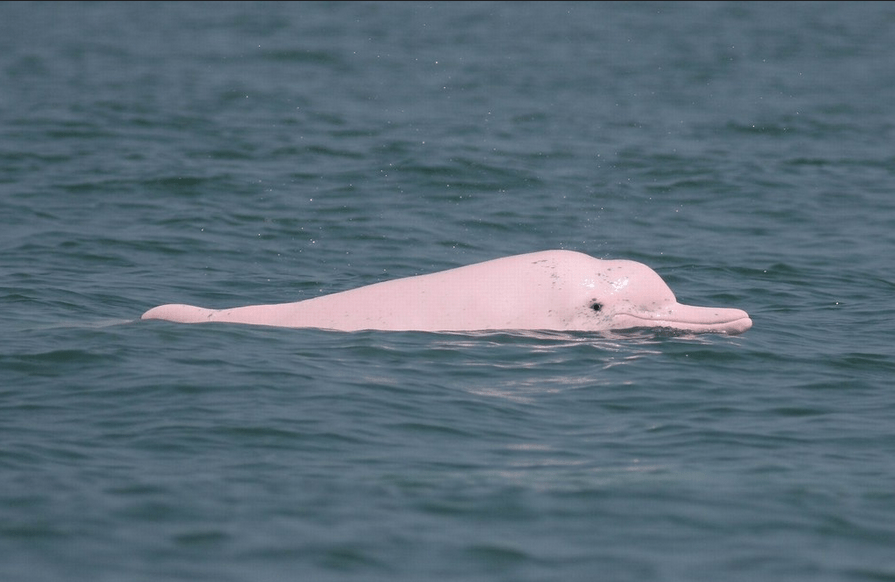
Chinese white dolphins are not limited to but can be found in the waters near Hong Kong.

Over the last 17 years, their population has decreased by 80% and one of the main culprits is marine traffic. A recent multi-year study found fascinating changes in behaviour of these mammals when left undisturbed.*

Due to COVID-19, cross border passengerโ€ฏferries between Hong Kong, Macau and China ceased to operate in early 2020.

In the absence of the fast ferries, the dolphins began to actively use the fairways. Researchers at WWF Hong Kong found that dolphins occurredโ€ฏin larger groups and socialised much more. 

WWF HK isโ€ฏnow working with other stakeholders to maintain the area as a ferry-free zone. A survey was conducted to document public support for this initiative and the results show thatโ€ฏrerouting ferries when the maritime border reopens is the preferred option, even though this meansโ€ฏincreased fares and longer travelling times. 

Chinese dolphin in the Ocean. The dolphin is pink in colour.

We need to become responsible Ocean users 

It is clear that we can travel and enjoy everything the Ocean has to offer, provided we understand and limit our impacts when indulging in these activities.  

As we seek solutions to aid sustainable reforms within shipping and cruise ships, learning and appreciating the Ocean and marine life is a great start to being more careful tourists, internationally or domestically.  

We have one Ocean and we need to protect it every day. 

*We would like to thank Dr Lindsay Porter, Senior Researchโ€ฏScientist at SEAMAR Hong Kong SAR for providing these invaluable insights.  

Who are the orca outlaws sinking boats, and why are they?

Subscribe

Monthly: Impact in your inbox.

OceanGeneration-Join

Our Impact: How does climate change impact the Ocean?

This is part of our Four Pillars work that highlights the importance of the Ocean, the human-made threats it faces, and the solutions our Ocean provides.

Climate change impacts everything – including our Ocean

With rising temperatures and melting ice sheets, climate change has had a massive impact on the Ocean.

The changing composition of gases in the atmosphere is altering life as we know it. We must not allow this catastrophe to unravel any further.

But how did we get here?

The emerging issue of โ€˜climate changeโ€™

Over the last century, many scientists have raised their concerns about global warming while the fossil fuel industry was booming.

Now, we know that these concerns have been validated many times over, through computer simulations and direct observations (tree rings, ice cores, etc).

According to the Intergovernmental Panel on Climate Change (IPCC) it is now widely accepted that humans are the primary drivers of climate change, owing to the advent of burning fossil fuels.

What role does the Ocean play in the climate change conversation?

Our beloved recreational activities would not be possible without the Ocean

The Ocean helps regulate land temperature and drives global weather patterns.

It absorbs the sun’s heat, transferring it to the atmosphere and distributing it around the world, warming in the winter and cooling in the summer. In fact, more than 90% of the heat from global warming is stored in the Ocean acting as one of the most important carbon sinks on Earth.

The excess of emissions in the atmosphere has tampered with the Oceanโ€™s capacity of storing it while still being able to thrive.

How can we understand the impact of climate change on the Ocean?

There are many indicators that help us understand the effects of climate change on the Ocean:

The leading climate change indicator in the Ocean: Sea level rise.

The rise in temperatures cause water to expand and ice sheets to melt. This results in sea level rise. Globally, the changes in sea levels are a leading indicator of climate change.

People using boats in response to flooding.

During the 21st century, the global mean sea level is likely to rise at least 30 cm even assuming more moderate greenhouse gas emissions in the coming decades.

Even if adaptive measures are in place, global flood losses for coastal cities are predicted to increase from $6 billion in 2005 to $1 trillion by 2050.

Global warming of 4ยฐC by 2100 would lead to a median sea-level rise of nearly 1 metre above the 1980 to 1999 levels. At todayโ€™s population distribution, that would threaten the lives and livelihoods of between 150 to 250 million people.

It goes without saying that the effects of sea level rise are already being felt in many parts of the world.

In Indonesia, 75% of the countryโ€™s cities are in coastal areas. With the country being prone to frequent natural disasters like flooding, tornadoes, and landslides, over 110 million people in the cities are exposed to the devastating impacts of climate change.

These impacts can often be felt alongside disruptions to agriculture (like rice fields), water resources (potential salinisation of ground water) and other resources.

Coral Bleaching

What is Ocean acidification?

As the Ocean gets warmer, we observe changes in the chemistry of the water. The reduced pH level of water has led to Ocean acidification, forming carbonic acid.

Global surface Ocean pH has declined on average by approximately 0.1 since the Industrial Revolution, with an increase in acidity of about 30%. 

This is making it harder for marine organisms (including larvae) to develop calcium carbonate shells and skeletons, increasing their vulnerability and harming their overall health. This invariably impacts food security due to the adverse effects on fisheries and aquaculture.

What’s the harm of Ocean deoxygenation?

Unfortunately, the warming Ocean also raises the oxygen demand of living organisms and as a result, there is less oxygen available for marine life.

Ocean oxygen levels have decreased by 2% in the past five decades and are expected to reduce a further 3โ€“4% by 2100.

Oxygen depletion is one of the most serious threats to the coastal marine ecosystem including coral reefs and sea grass meadows, reducing biodiversity, limiting both the production of oxygen and sequestration of atmospheric CO2, and increasing the risk of coastal flooding.

A flooded coastal area.

The Ocean covers 70% of our planet – but it’s still impacted by climate change.

Here is a good introductory video outlining this topic:  

YouTube player
[Credit: Global Weirding with Katherine Hayhoe, YouTube]

Woah, is the fate of our Ocean already sealed?

Fortunately, not yet.

We are alive in a crucial period of time, with the window of action and opportunity closing in on us.

The IPCCโ€™s modelling suggests that the only way to limit global warming to 1.5C is we take immediate action after 2020, which is, well, now.


In this scenario, emissions are projected to peak between 2020-2025. This means that we need to reduce emissions by 43% by 2030, and 84% by 2050.

Apart from phasing out fossil fuels, reducing global carbon and methane emissions is a key solution to slow down Ocean warming. Increasing Marine Protected Areas (MPAโ€™s) is another way of protecting large areas of the Ocean from further exploitation. We must also safeguard and restore coastal ecosystems which will benefit biodiversity and humans alike.

A healthy Ocean is key to achieving our climate goals.

If the Ocean thrives, so do we.

Who are the orca outlaws sinking boats, and why are they?

Subscribe

Monthly: Impact in your inbox.

OceanGeneration-Join

Our Impact: Itโ€™s not just plastic polluting our Ocean

This is part of our Four Pillars work that highlights the importance of the Ocean, the human-made threats it faces, and the solutions our Ocean provides.

Itโ€™s not just plastic polluting our Ocean

With plastic encroaching so many parts of our lives since the 1950โ€™s, it would be hard to find a person today who hasnโ€™t heard of this life-changing material. Despite all its uses, it is undeniable that plastic is choking our Ocean. 

But itโ€™s not just plastic.

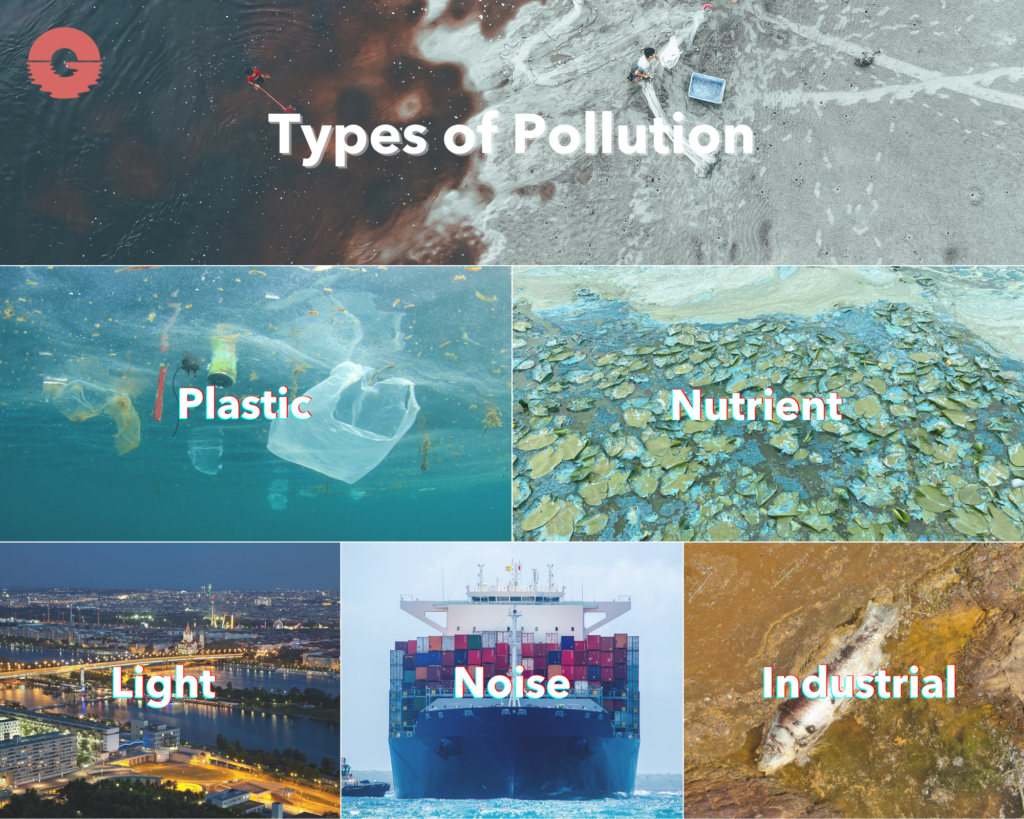
Marine pollution can be observed in many different forms (see figure below).

From chemical waste to noise, letโ€™s explore the alarming ways in which we pollute the Ocean.

Types of Ocean pollution: Plastic pollution, nutrient pollution, light, noise and industrial pollution. Ocean Generation is breaking down the kinds of pollution that impact our Ocean.

We are drowning in plastic  

Plastic is the greatest concern of all the marine litter in the Ocean.ย ย 

With 80% of plastic originating from land, it is clear that our mismanagement of plastic is threatening marine life. In fact, marine debris from waste streams on land and at sea into the Ocean from rivers are estimated at 1.15โ€“2.41 million metric tons annually.ย ย 

Plastic also reaches the Ocean as a result of extreme events and natural disasters like floods, hurricanes, and tsunamis.

One study even states that millions of tons of plastic may reach the Ocean this way, matching the magnitude of plastic from land. ย 

The most common way plastic harms marine life is through entanglement. This is not to mention the repercussions felt through the food chain when species ingest plastics (and microplastics) unknowingly. 

From whales, to birds, to turtles, plastic is mistaken for prey and consumed with traumatic consequences like infections and internal injuries. 

In the UN report, Second World Ocean Assessment (WOA) 2021, it was stated that scientific and medical understanding of the health threat of plastic pollution was inadequate. But since then, scientists have published studies confirming the presence of plastic in our blood and lungs.

These findings have sparked a greater support for more research into the effects of plastic on human health. 

Changes to marine communities are far from being the only effects of pollution.  

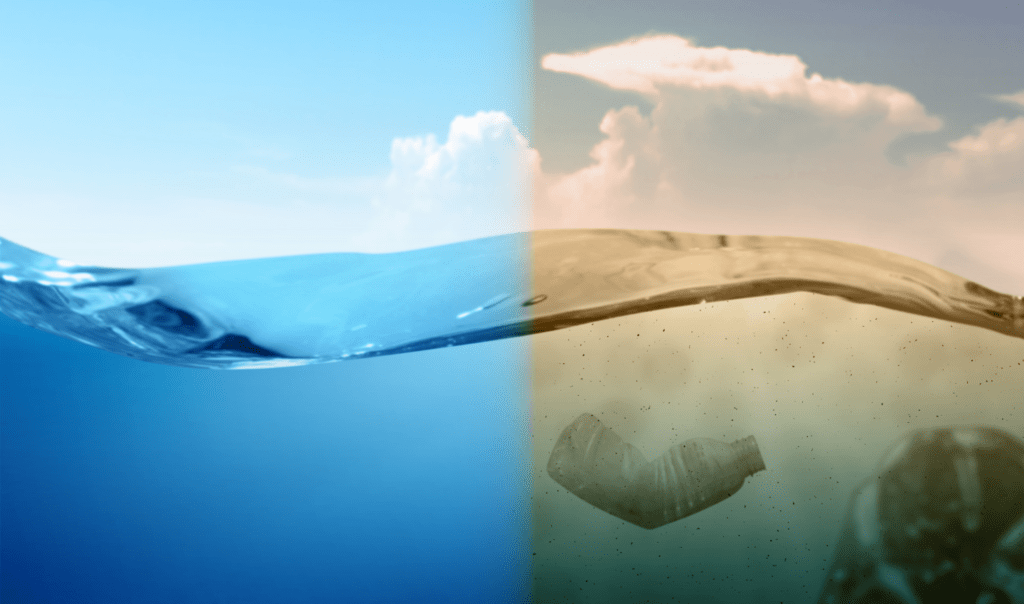
Half of the image shows a beautiful blue, clean Ocean. The other half shows a polluted, grey, Ocean with plastic bottles and nutrient pollution. Ocean Generation shares ways to tackle plastic pollution and other Ocean threats.

The nutrients we allow into the Ocean 

The increasing amount of nutrients seeping into the Ocean aid the excessive growth of algae.

This is called nutrient pollution. When the nutrients in question are nitrogen and phosphorus (from organic matter), this process is called eutrophication. It results in undesired changes to the health of coastal ecosystems.  

Nutrient changes in the Ocean threaten: 

– Carbon sequestration which limits climate change, 
– Fisheries, affecting their mortality, 
– Abundance of biodiversity, 
– Production of oxygen, and the 
– Mitigation of coastal flooding.  

The single largest source of nitrogen and phosphorus are synthetic fertilisers.

Other agricultural inputs include animal husbandry and monocultures of legumes. Another source of nitrogen is the combustion of fossil fuels, releasing nitrogen in the form of NOx. 

The most prevalent source of nutrient pollution is human sewage.

This is not a surprise considering 80% of municipal wastewater being released into the environment is untreated. Regionally, treated sewage varies from 90% in North America, 66% in Europe, 35% in Asia, and 14% in Latin America and the Caribbean to less than 1% in Africa.  

This means that across the Ocean, we see an increase in phytoplankton and a decrease in oxygen levels. This disrupts fish stocks and increases the number of waterborne diseases.  

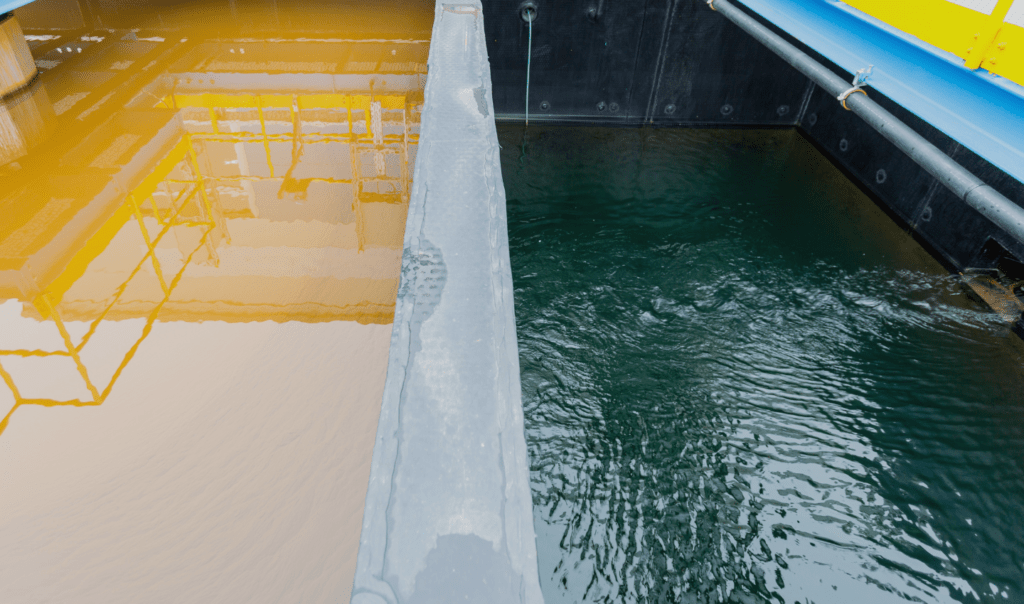
A water treatment plant.

But nutrients are not the only thing to worry aboutโ€ฆ 

Ocean pollution – in different industries: 

Industrial pollution can be observed from many sources. They are:

Persistent Organic Pollutants (POPs):
They are a complex group of substances known for their ability to endure in the environment. At present, we have observed declines in some regions, thanks to regulatory standards set by the Stockholm Convention but POPs are still a global concern.

For example, cetaceans have been detected with PCB (a kind of POP) concentrations which also affects the food chain, increasing the risk of cancer and infertility in humans. 

Metals:
Humans are responsible for large influxes of metals being released into the environment.

This includes metals such as mercury, lead, and cadmium but also rare earth metals. Metals do not disappear over time and can be trapped in sediments.

It was found that some Artic marine mammals are at high-risk with the concentration of methylmercury in their diet. This poses a risk to the food chain, and subsequently, human health. 

Radioactivity:
The discharge of radioactive substances into the Ocean from nuclear power plants continue to decline with the help of improved technologies. 

Pharmaceuticals and Personal Care Products:
This includes all chemicals used for healthcare, cosmetics, and medical purposes. The process to remove these substances from wastewater is not efficient.

As a result, the most frequently detected compounds are antibiotics. There have been some cases like the antibiotic resistant bacteria and soil found in the Artic and Pacific but overall, there is limited data on the true impact of these products in the Ocean.  

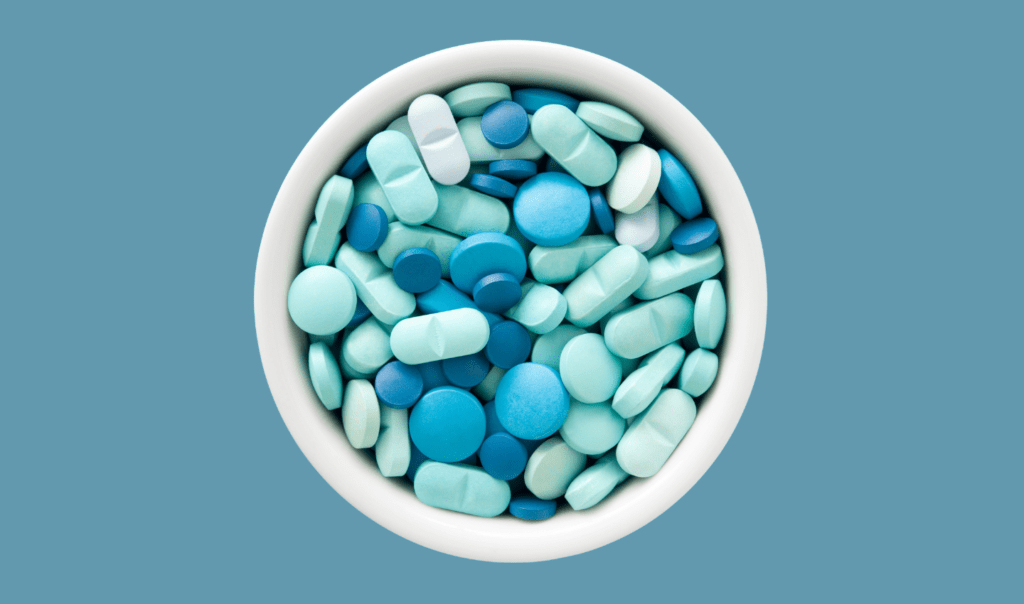
Pharmaceuticals end up in our water stream and impact marine life. The image shows a white bowl filled with pills in different hues of blue.

Shipping:

Globally, there is a decreasing trend in oil spills (over 7 tons), possibly owing to improved surveillance and increased awareness.

Shipping also increases the likelihood of marine litter, with the World Shipping Council estimating that on average, a total of 1382 containers are lost at sea each year.  

Oil spills are catastrophic to Ocean health and hard to clean up.

Sound pollutes the Ocean (and we’re not considerate neighbours). 

Human-made noise makes its way into the Ocean via vessels, renewable energy development, sonar, and seismic exploration. Marine traffic also contributes to noise pollution.

Over the past 10 years, thereโ€™s been increasing interest in developing guidelines to regulate noise in the Ocean.  

We continue to learn and understand the impact of the noise we make on marine animals. Some of the observed examples are as follows: 

– Increased stress levels in North Atlantic right whales 
– Humpback whales: changes in foraging behaviour and vocal calls during breeding season 
– Fish and coral larvae are less able to select appropriate habitats 

Humpback whales are impacted by noise pollution. Image shows a close up of a humpback whale looking at the camera.

Hit the lights: Do you know how light pollution impacts marine life

Although all living beings are sensitive to light in the environment, if organisms are subjected to light at the wrong place and time with varying intensity, itโ€™s known as light pollution.

This affects the behaviour of many marine mammals. For example, on one Turkish beach, light pollution from a coastal village, paper mill and a tourist resort resulted in less than 40% of logger-head turtle hatchlings being able to reach back to the shore.

They get disoriented and sometimes are at risk of predation.  

Baby turtle finding its way to the Ocean form the beach.

The most impactful way humans project artificial light is through urbanisation of coastal areas. The light we emit can be seen from space.

In fact, up to three quarters of seafloor close to coastal cities are exposed to artificial light. But other water bodies are not immune. In freshwater ecosystems, melatonin levels which are responsible for sleep or day and night cycles, are affected in freshwater fish. 

In the Ocean itself, offshore development is of concern when assessing light pollution. Artificial light at night can penetrate deep into water (over 40m) depending on the clarity of water, with humans having the most impact in the top one metre of water.  

Coastal city lit up at night near the Ocean. Cities never sleep.

What can we do to restore the Ocean?

We need to develop a wide range of solutions to combat the different types of pollution affecting the Ocean.  

To tackle plastic pollution, a Global Plastic Treaty is underway to ensure optimal waste management and promote sustainable consumption and production of plastics.

As a society however, it is still in our best interests to reduce our reliance on plastic where possible. We need to dispose plastic in the safest way possible, not allowing it in our waterways.  
Community garden featuring a middle aged Asian woman and young African child working in the garden.

Nutrient pollution can be curbed with the help of top-down approaches but also public awareness.

As a community, we can take a stronger stance and equip ourselves to monitor water quality, pushing for stronger policies. Those who have lawns and gardens can also minimise their pollutant run-off through many ways.  

Moreover, better sewage systems are needed to achieve standards set by the World Health Organisation (WHO). In India, for example, despite efforts to operate better systems, nutrient pollution still persists. Industry stakeholders must develop and promote solutions to address pollutants in the agricultural sector. Innovative solutions are needed to reduce emissions and spills in shipping.  

Lastly, there is a need to promote and fund the research required in further understanding all these issues because our Ocean is running out of time, awaiting solutions for the threats weโ€™ve created.  

There is only one Ocean, and it connects us all. 

Who are the orca outlaws sinking boats, and why are they?

Subscribe

Monthly: Impact in your inbox.

OceanGeneration-Join