
- Science: Explained
Fact file: Fun facts about orca (killer whales)
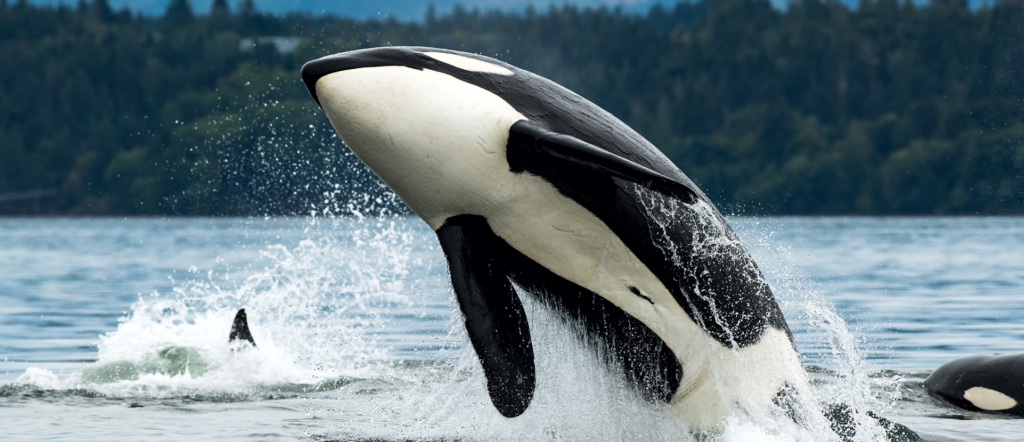
Orca (also known as killer whales) are famous residents of the Ocean. They are fast, fashionable and family-oriented. Frankly, they are fantastic.
Are orcas whales or dolphins?
Orca aren’t whales, they’re dolphins.
The commonly used name, killer whales, can cause confusion. Early sailors became familiar with orca hunting the great whales, naming them “whale killers”. Somewhere in history, that got flipped to become “killer whale”, even though orca are actually dolphins. They are the biggest of the dolphins.
Are all dolphins whales?
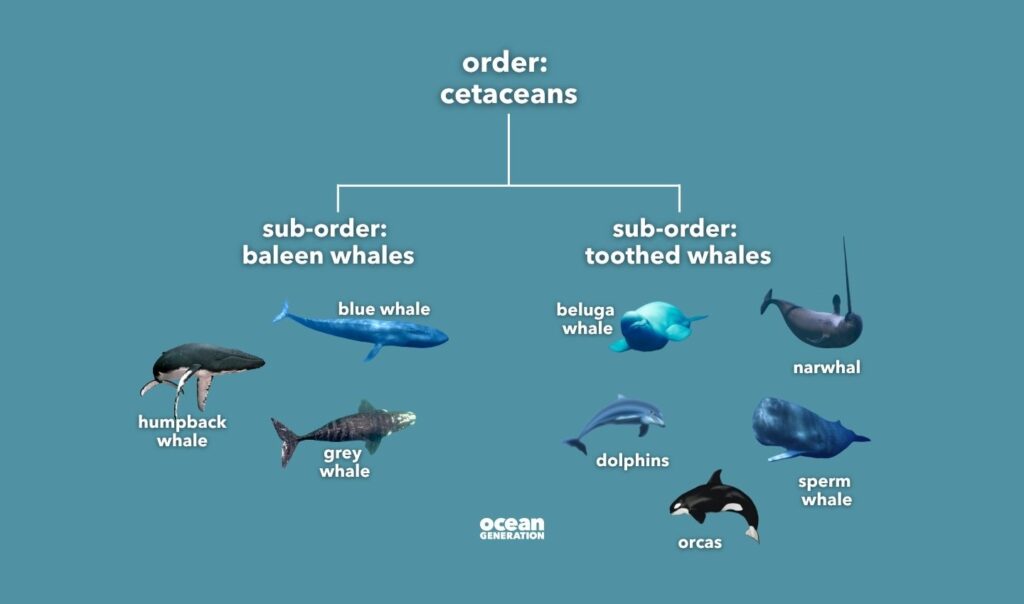
Technically, the whole dolphin family, the Delphinoidea, belong to toothed whales – the Odontoceti. Along with the Mysticeti (baleen whales) they make up the cetaceans.
So, you could argue all dolphins (and therefore orca) are in fact whales but they have dolphin-specific traits so, they’re not ‘true whales.’
Orcinus orca is currently a single species, although scientists have suggested dividing it into races, sub species or even different species.
Different groups of orcas are known as ecotypes which inhabit different parts of the Ocean and show physical and cultural differences. They speak different dialects, eat different food and grow to different sizes with different colouration. In many ways they are much like humans.
Where do orca live?
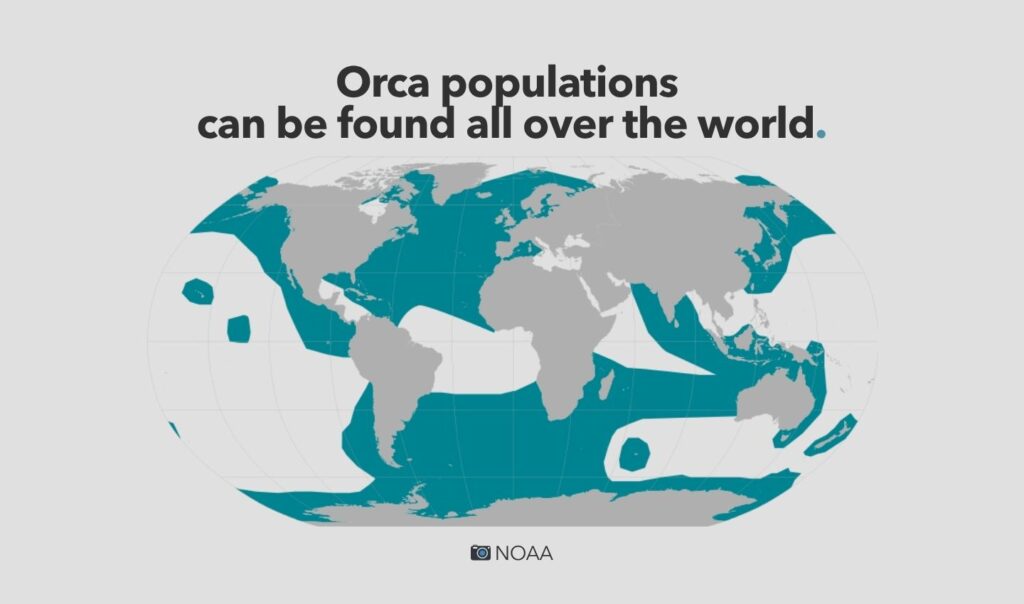
Populations can be found all over the world, typically preferring coastal seas to the open Ocean, and the higher latitudes closer to the poles. The main population centres for orca are in the Southern Ocean, the north-eastern Atlantic and in the northern Pacific, but orca can be found from Hawaii to the Arctic.
How many orcas are there?
There is an estimated global population of 50,000 orca, including 25,000 in the Southern Ocean, and 10,000 in the waters of Norway, Iceland and the Faroes.
The global population of orca has not been assessed by the International Union for Conservation of Nature (IUCN). We don’t know enough to say whether orca populations are increasing, decreasing or stable.
We do know about the different orca sub populations around the world. Some, such as the Iberian orca population which has been sinking boats, are critically endangered. The West Coast Community of the UK is thought to only have two members remaining: Aquarius and John Coe, who at over 60 years old may well be the oldest male killer whale in the world.
Other orca populations are doing better. Antarctic populations are hard to study, but thought to be stable. Northern Resident orca of the west coast of North America are listed as threatened, but their numbers are increasing by an average of 2% per year after protective measures were introduced for them and their main prey – harbour seals.
What do orca eat?
All orca are carnivores but different populations of orca have different preferred diets. Norwegian orca have specialised in herring, northeast Pacific orca hunt salmon and New Zealand orca focus on elasmobranch species such as eagle rays, stingrays and shark species.
Two orca brothers in South African waters, Port and Starboard, are infamous for targeting great white sharks, flipping them onto their backs into a trance-like state known as tonic immobility and eating their livers. As a result, great whites leave the area when orcas are about. Other orcas have been recording other shark species such as whale sharks, seven gill sharks, mako sharks and white sharks.
Nothing is off the menu. Orca will hunt marine mammals, including walrus, dolphins, narwhals, beluga and whales. Orca have been recorded recently hunting the largest animal that has even lived: blue whales.
Being out of the water doesn’t always help. A population in Patagonia will beach themselves to catch the young sea lions learning to swim in the shallows. A population in Antarctica has perfected a technique of swimming together to create waves to break up ice and wash any seals taking refuge on it into the water.
Their most surprising prey? Orca are one of the main predators of moose, who swim between islands and even dive down to eat aquatic foliage.
Nothing is off the menu, apart from humans – no human has ever been killed by a wild orca.
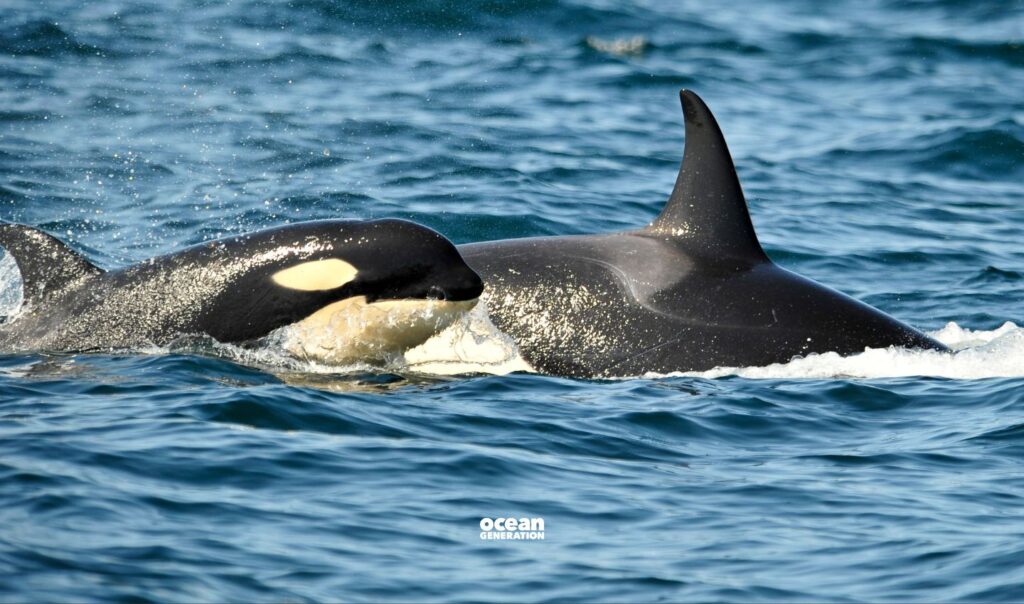
Killer Facts about Orcas
- Orca have been recorded reaching 9.75m in males, and 8.53m in females. The Antarctic Type A ecotype are the largest of all the orcas.
- A population off the western coast of North America has revived a fashion fad last seen in the 1980s of swimming around with dead salmon on their heads. Fashion experts compare this to the revival of the bucket hat.
- Orca are among the very few species to go through menopause in the wild. Beluga, narwhals, short-finned pilot whales and false killer whales join humans in this exclusive group. This allows orca grandmothers to act as vital sources of knowledge in food location and hunting techniques, while avoiding them competing reproductively with their daughters.
- Orca are estimated to eat nearly 800kg a week (roughly 1600 loaves of bread or 8,000 apples).
- Orcas only fear one animal – the long-finned pilot whale. They have been observed fleeing at high speed when pilot whales arrive. We don’t know why.
- Orca have been known to look after disabled members of the pod.