Why protect blue carbon ecosystems?  

The Ocean stores a considerable amount of our carbon:

The Ocean is one of the largest natural carbon sinks on Earth, making it a crucial component of the carbon cycle. This means that the Ocean captures carbon dioxide from the atmosphere.

This carbon is stored in surface waters, eventually making its way into the deep Ocean. 

But there are other ways in which carbon is stored… 

The role of blue carbon  

All along our coastlines, we have unique ecosystems that capture and lock carbon away, mostly in the soil, for sometimes thousands of years.

These ecosystems are termed “blue carbon.”

This includes: 

Mangroves
Seagrass Meadows, and 
– Salt Marshes 

They can be potent carbon sinks, storing more carbon than forests on land, on a per-area basis, in the case of mangroves. Some of the other benefits include: 

– coastal protection (acting as a buffer between the Ocean and land) 
– increased biodiversity 
– reducing Ocean acidification  
– soil stabilisation 
– improved water flow and water quality  
– storm and flooding surge prevention, and  
– increased resilience to cyclones 

These ecosystems can be considered a nature-based solution in tackling the rise the carbon emissions.

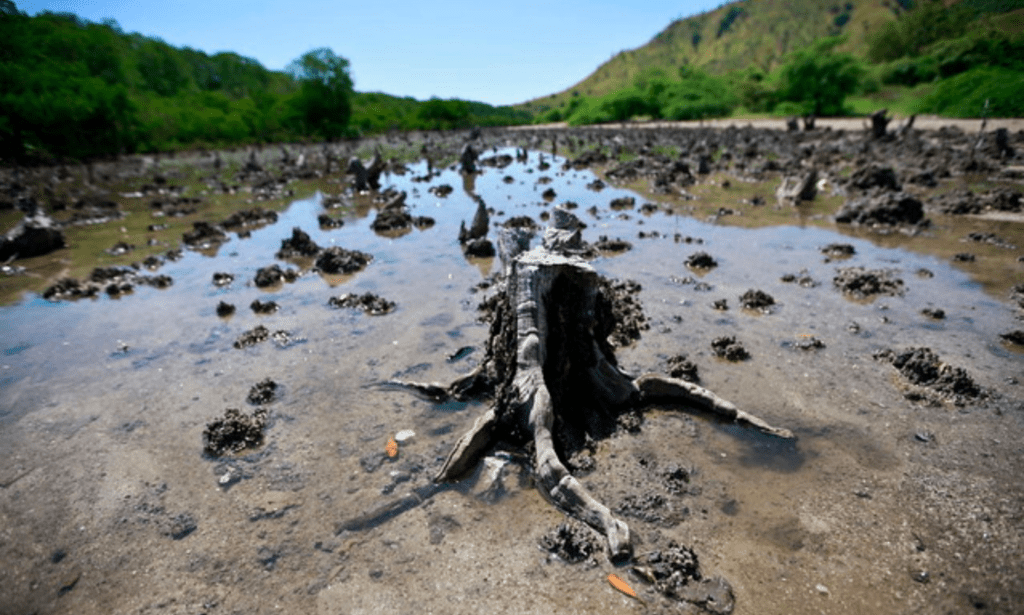
But they are under threat. In fact, globally, between 20-50% of blue carbon ecosystems have already been converted or degraded.  

Drivers of blue carbon loss and degradation 

Our coastlines are often competed for – whether its daily Ocean activities or commercial purposes.

This invariably devalues existing blue carbon ecosystems. The main drivers of loss and degradation are: 

– salt ponds (for salt extraction) 
– agriculture  
excessive use of fertilisers (pollution)
intensive aquaculture
coastal infrastructure development  

The case for protection and restoration of blue carbon ecosystems 

If degraded or lost, blue carbon ecosystems have the potential to release the carbon back into the atmosphere.

This is not the best scenario, given carbon dioxide levels in the atmosphere are already reaching levels not experienced in at least 2 million years (!). 

Not only is protection and restoration good for the climate, but it also has the potential to create jobs and support economic growth.

Coastal ecosystems have the ability to mitigate around 0.5-2% of current global emissions. However, there is high uncertainty around its potential in the face of future climate scenarios, as well as loss of coastal land due to sea level rise.  

Many restoration efforts have failed in the past, mainly due to not addressing the root causes of degradation.

It is now understood that successful restoration efforts require local communities’ involvement at every stage, economic incentives, and robust frameworks for implementing and assessing these ecosystems.

Most importantly, reducing human activities in these areas can aid the recovery of these precious ecosystems.  

We need existing solutions to work together to reduce the adverse effects of the climate crisis.

We must protect what we have, restore what we have lost, and adapt to the circumstances we face.  

If the Ocean thrives, so do we. 

Who are the orca outlaws sinking boats, and why are they?

Subscribe

Monthly: Impact in your inbox.

OceanGeneration-Join

Seagrasses: More than a Blue Carbon Solution

Why are seagrass meadows so important?

Seagrasses are among the most widespread coastal ecosystems worldwide and range from the tropics to boreal margins of the Ocean.

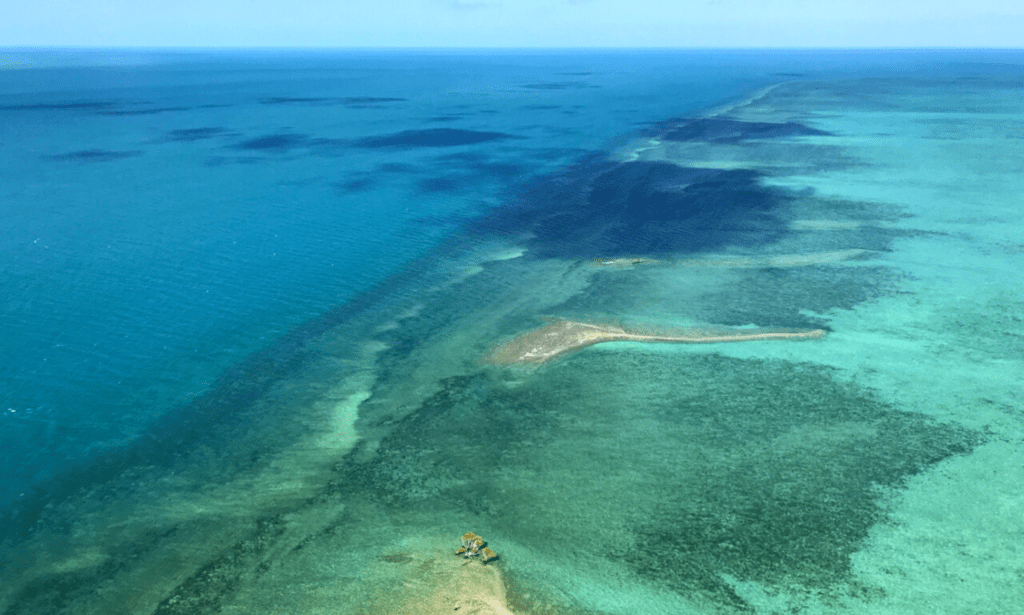
They are flowering plants that live in shallow waters that can sometimes be seen from space.  

The name seagrass stems from the many species with long and narrow leaves, which grow by rhizome extension and often spread across large “meadows” resembling grassland; many species superficially resemble terrestrial grasses. 

These deep-rooted meadows cover over 300,000km2, roughly the size of Italy, spanning 159 countries and six continents. They do not exist in Antarctica.  

Sometimes referred to as ‘lungs of the sea’, seagrasses play a multi-functional role to both human well-being and marine life, while being a globally significant carbon sink. 

Seagrass Meadow in Clack Reef, Australia. Seagrasses are incredible climate change fighters - Ocean Generation is sharing what makes this unsung ecosystem so special.

Seagrasses are a climate change solution 

According to UNEP, despite occupying just 0.1% of the Ocean floor, seagrasses store up to 18% of the global Oceanic carbon, which is estimated to be 38,000 billion metric tons

What’s more:

– They can store twice the amount of carbon per hectare when compared to terrestrial forests. 

– The carbon is stored almost entirely in the soils, measuring up to four metres deep.

– They can act as a buffer for Ocean acidification, depending on environmental conditions, which benefits calcifying organisms like corals and shellfish. 

But that’s not all!  

How seagrasses support marine life 

Seagrasses are biologically rich and diverse habitats where species come together for many reasons. 

Some organisms – primarily large grazers like manatees, dugongs, green sea turtles and geese – eat the living leaves directly, and seagrass forms a major component of their diets.

For example, an adult dugong eats about 64 to 88 pounds (28 to 40 kg) of seagrass a day, while an adult green sea turtle can eat about 4.5 pounds (2 kg) per day. 

Apart from being a food source, seagrass meadows provide protection for burrowing anemones, bivalve molluscs and burrowing urchins that lie buried in the sand beneath. 

They also act as crucial nursery grounds for species like the European eel. It is estimated that 17 species of coral reef fish spend their entire juvenile life stage solely on seagrass flats. 

Four ways seagrass meadows benefit humans 

There are numerous ways in which seagrasses benefit us outside of their climate change mitigation potential. Benefits include: 

Food Security
They support global fisheries, acting as nursery habitats for commonly consumed species like crustaceans and molluscs.  

Coastal Protection
Seagrasses have an extensive root system that stabilises the sea bed, similar to terrestrial grasses preventing soil erosion. In this way, they protect coastlines from flooding and storm surges. 

Tourism
Whether its swimming with green turtles (Akumal, Mexico) or diving with dugongs (Marsa Alam, Egypt), seagrass meadows are a great place to positively interact with the diverse marine life it hosts.

They are also important for historical heritage, from shipwrecks to submerged ancient cities. 

Disease Control
Seagrasses can control diseases by reducing bacterial pathogens from harming humans, fish, and invertebrates. 

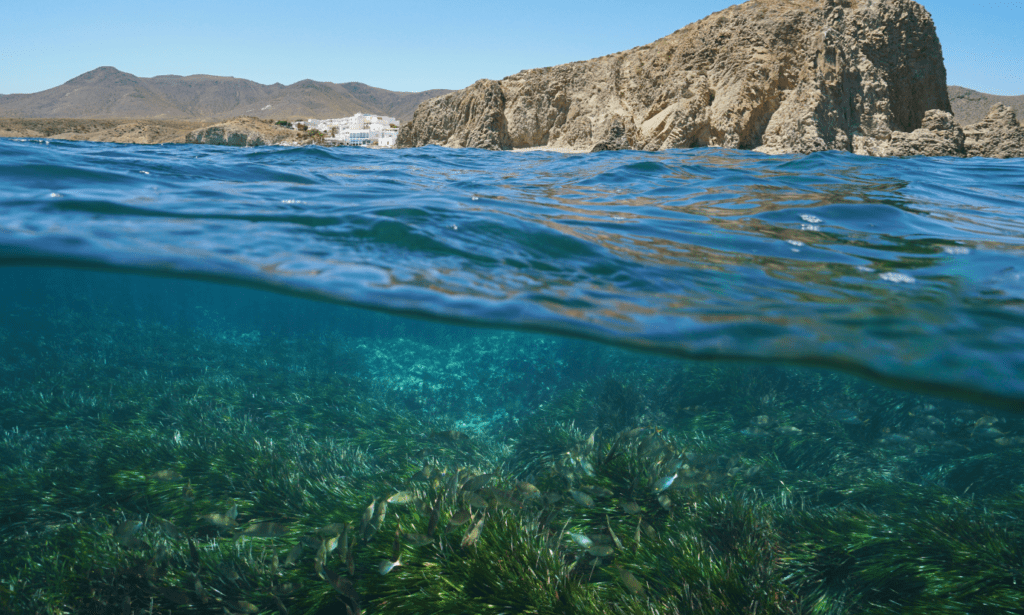
Seagrass along the coast of Spain.

Why are seagrasses threatened? 

According to one report, since 1990, there is a 7% decline in seagrass cover area globally per year, which is equivalent to a football field of seagrass every 30 minutes.  

The main threats to seagrasses are: 

– Climate Change (for example, heat stress through increases in temperature) 
– Pollution (urban, industrial, and agricultural run-off) 
– Coastal Infrastructure Development (incl. dredging) 
– Overfishing (incl. bottom trawling), and  
– Boating Activities 

…but all hope is not lost! 

The role of policy is a crucial top-down approach to restore and protect seagrasses at a broader scale.  

With the widely accepted Global Biodiversity Framework, 30% of coastal and marine ecosystems need to be protected, including blue carbon ecosystems like seagrasses. Although, at present, mangroves and coral reefs are better protected under MPA’s than seagrasses.  

The variety of ecosystem services that seagrasses provide has resulted in increasing knowledge of their value in recent years. However, there are still large knowledge gaps among the general public. 

The best way to protect seagrasses is to understand them within local environments and manage threats effectively.

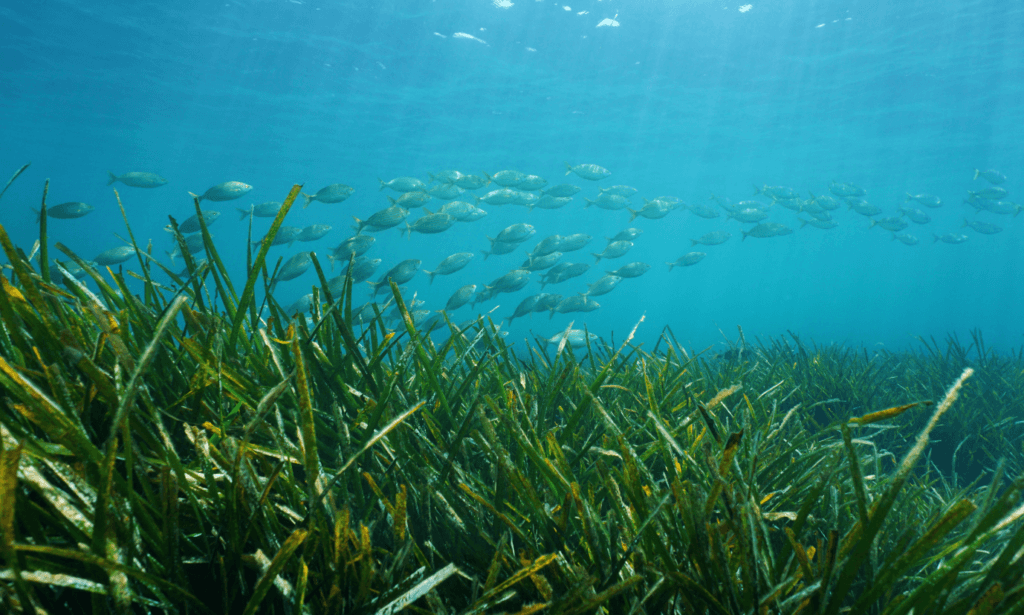
School of fish swimming near a seagrass meadow in the Ocean.

Restoration Spotlight: Seagrasses in the Eastern Shore of Virginia 

The Virginia Institute of Marine Science and The Nature Conservancy have been conducting an extensive seagrass meadow restoration for almost 20 years, creating 3,612 hectares of new seagrass beds.  

To achieve that, the team of researchers and volunteers had to actively plant more than 70 million seeds of eelgrass on a 200-hectare plot just off the southern end of Virginia’s Eastern Shore.

Within 10 years, the seagrasses covered an area that would naturally take over 100 years to grow. The scientists also noted increased water quality, nitrogen storage and carbon sequestration.  

This initiative offers a glimpse into the benefits of resilient seagrass meadows and its importance in addressing climate change.


Seagrasses can help us solve our biggest environmental challenges.

They purify water, they protect us from storms, they provide food to hundreds of millions of people, they support rich biodiversity, and they efficiently store carbon.

In light of everything seagrasses do for people and nature, protecting and restoring them is vital.”  


Ronald Jumeau 
Permanent Representative to the United Nations and Ambassador for Climate Change 
Republic of Seychelles 

What can I do to help protect seagrasses? 

  1. Be a considerate tourist –  

Exploring tourist-friendly seagrass meadows can be a great way to develop an appreciation for these wonderful plants and all that they hold. But please don’t pluck them or hurt any marine species when visiting.

  1. Become a citizen scientist –  

Furthering scientific knowledge is not a one-person effort and so, public participation in citizen science projects are a fantastic way to contribute. 

The SeagrassSpotter project has been created by Project Seagrass in association with Cardiff University and Swansea University. Using SeagrassSpotter, you can help locate seagrasses which will be used by scientists for research including the prediction of locations for restoration. 

Who are the orca outlaws sinking boats, and why are they?

Subscribe

Monthly: Impact in your inbox.

OceanGeneration-Join

Our Impact: Why is protecting our coastlines important?

This is part of our Four Pillars work that highlights the importance of the Ocean, the human-made threats it faces, and the solutions our Ocean provides.

Think of some of the most vibrant cities around the world: Mumbai, Istanbul, Dubai, Copenhagen, Tokyo. What do they all have in common?  

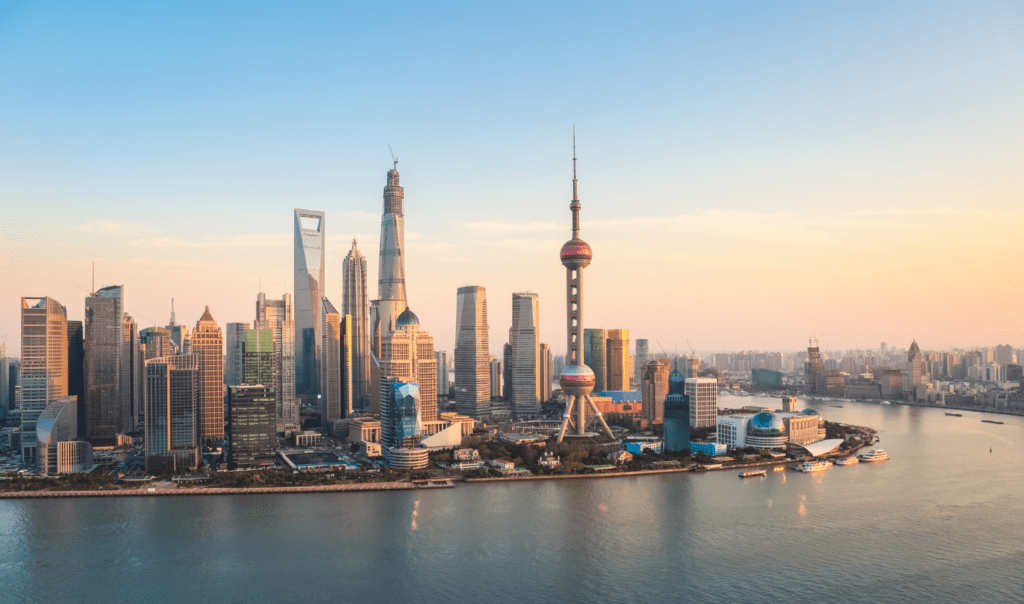
Shanghai coastal city at sunset. Ocean Generation is sharing the impact of coastal infrastructure development on the Ocean.

They are coastal cities. 

How does living on the coast impact human health?

Coastal regions can positively contribute to human health. Through the food we eat, the quality of air we breathe, and the water we drink, living by the Ocean can have a calming effect.

This is not to mention the wealth of economic and recreational opportunities that come with coastal areas.  

With 2.5 billion people within 100km of the coast living in 4% of land area within the same distance, it is no surprise that coastal regions are heavily concentrated. In fact, about 90% of population concentration is in coastal cities with populations of over one million.  

So what?  

What impact do coastal regions have on our blue planet?  

The coastal zone is the most urbanised region in the world, hosting 15 of the 20 megacities (cities with populations of over 10 million people).

This rapid urbanisation of coastal regions has cracks in planetary health that we notice more and more every day.  

The impacts of climate change on coastal communities are increasingly evident. With higher frequencies of natural events like cyclones and hurricanes, risk of erosion and land loss, salinisation, flooding and other cascading impacts, coastal regions have never been this vulnerable.  

Let’s investigate some ways coastal infrastructure impacts the Ocean and the organisms that call it home. 

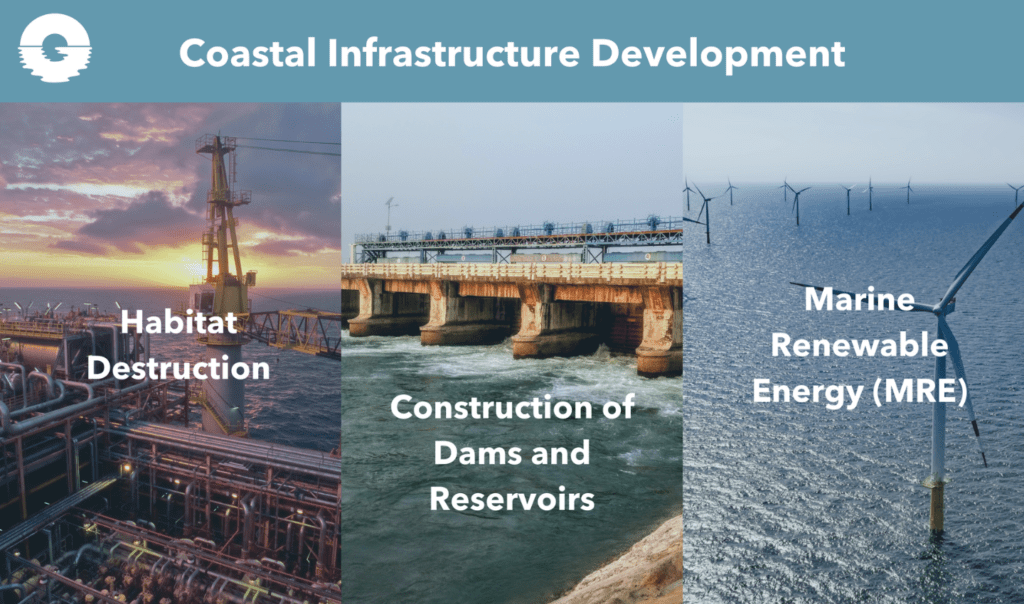
Impacts of coastal development on the Ocean and Ocean life. Ocean Generation is spotlighting the impact of habitat destruction, construction of dams and marine renewable energy.

Building along our coasts causes habitat destruction 

Human activities are a key driver for habitat destruction.

This can be observed through: 

– Coastal and marine land reclamation, the process by which parts of the Ocean are formed into land (by infilling or building dykes, for example) 

– Infrastructure development for tourism (for example, resorts and recreational facilities) 

– Development of ports, harbours, and their management (including dredging) 

Habitat destruction occurs when a natural habitat, like a wetland, can no longer support the species present. The species are often destroyed or displaced.  

Thus, habitat destruction is a leading cause of biodiversity loss. With changes in physical and chemical compositions, invasive species tend to thrive in these areas, further driving out native species.  

Destruction of China’s Coastline: A quick study 

The most significant recent development is coastal and marine land reclamation, especially in China, with 1249.8km2 of ‘new’ land developed since the mid 1980’s.  

This can have many unintended consequences. In one study, scientists observed 19,793.4 hectares of coastal wetlands changed to inland wetlands enclosed by a seawall and dike, between 1989 and 2013. This cuts off the exchange of sediments and the flow of water between the wetland and the Ocean.  

In this case, more than 80% of the natural wetlands had been used to develop urban, industrial, and agricultural land uses. This can be seen as an ecological trade off in favour of human activities.  

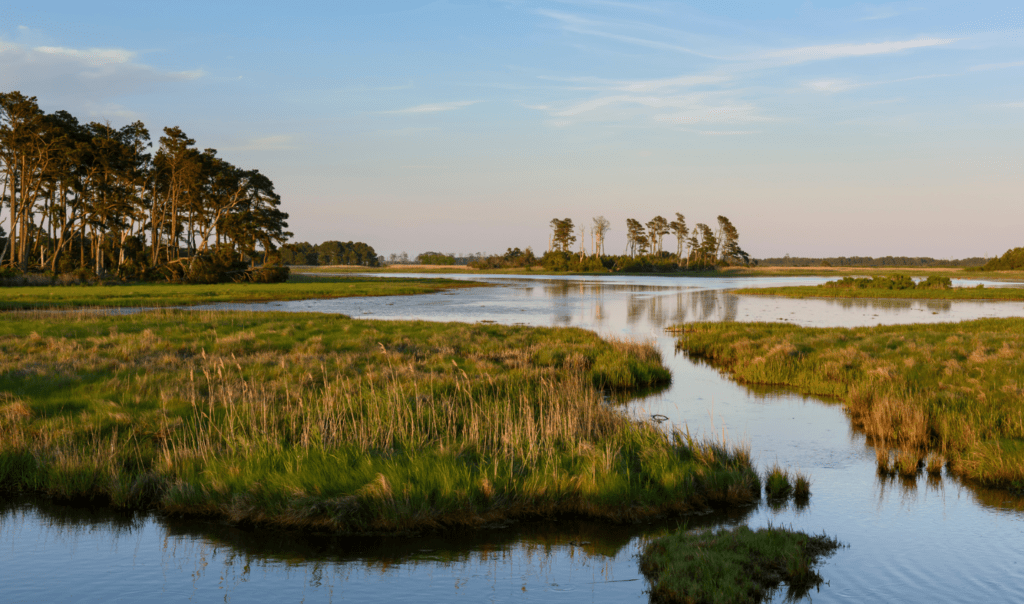
A coastal wetland shared by Ocean Generation.

Coastal wetlands are resilient natural habitats, important for flood protection, carbon sequestration, habitat for wildlife, etc.

Destroying these natural habitats impact the Ocean, aquatic life, and humans too.  

The impact of building dams and reservoirs 

A dam is a barrier that holds back water whereas a reservoir is a human-made lake that stores water.

For thousands of years, dams and reservoirs have been built for irrigation, flood prevention, water diversion, and even warfare purposes. Nowadays, dams are also used to generate hydropower.  

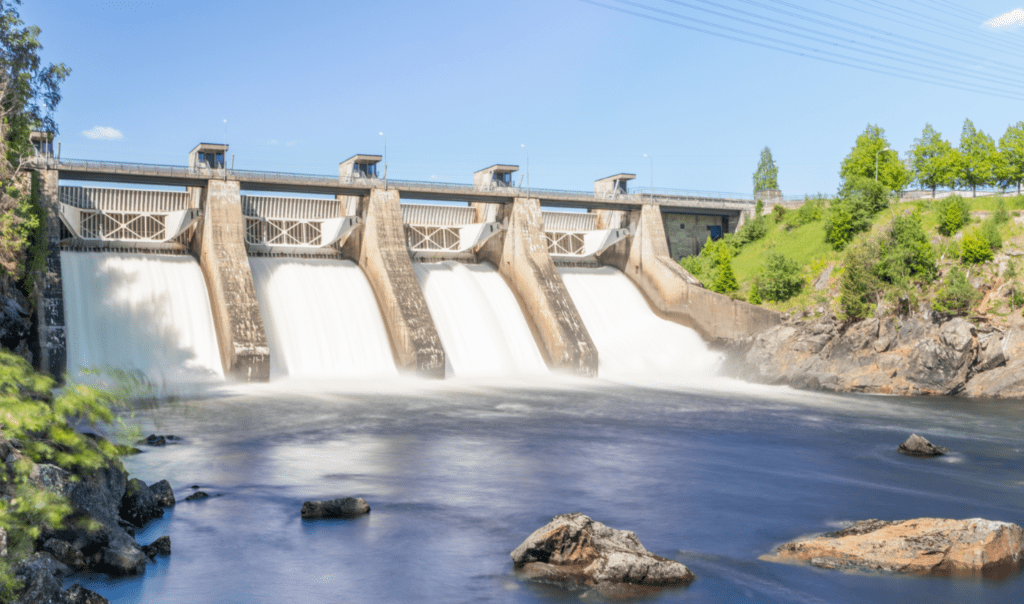
Dam walls are often built for hydropower.

The construction of dams and reservoirs reduces sediment supply by varying degrees, sometimes by more than 50%, which leads to erosion. This can decay coastal ecosystems like mangroves and can even cause irreversible changes.  

Another concerning effect of dams is that they restrict the migration of fish. Many freshwater species rely on free-flowing rivers to complete their life cycles.  

The harm of building too many dams and reservoirs: A quick study 

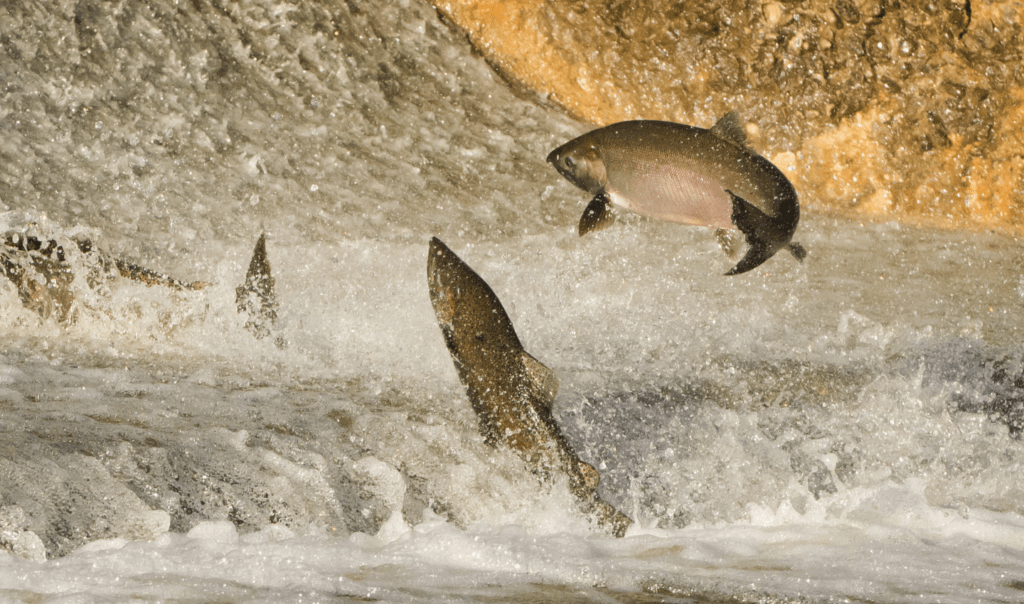
A good example to understand this effect is by observing salmon populations. In the USA, between 1933 and 1975, 211 dams were built during the construction of a hydropower system in Columbia Basin. This led to a massive loss in the wild salmon population.  

Although hatchery and commercial aquaculture operations were underway, the wild salmon population failed to bounce back. Authorities had set a target for salmon recovery of 5 million, but after 34 years and $17.9 billion, they failed to meet this modest target.  

Salmon leaping from the water.

The ecological reality of the effects of human activities needs to be acknowledged alongside economic viability.  

It is not too late to include these considerations in the budding marine renewable industry. 

Tread lightly: Our Ocean’s role in the energy transition 

The Ocean has the potential to be at the heart of the energy transition. As we steer away from fossil fuels, the Ocean is enabling a new industry: marine renewable energy (MRE). 

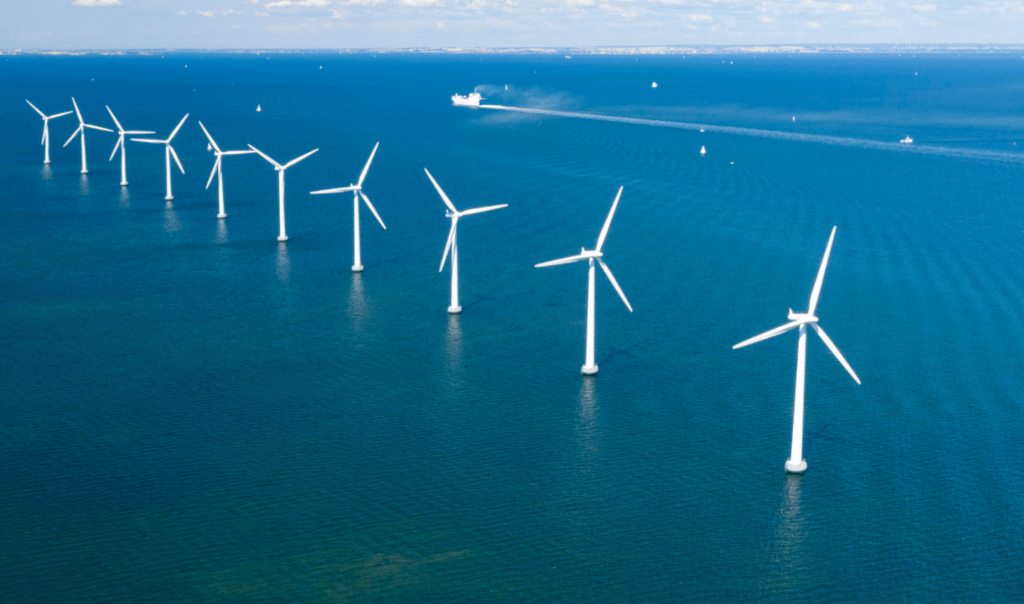
This includes offshore wind, floating solar, tidal, wave and Ocean current energies. At present, offshore wind technology is the most mature and commercially viable, whereas some other technologies are still in the development phase.  

There is no doubt that MRE is less disastrous than fossil fuel extraction. But we must be careful not to ignore the environmental impacts of MRE. This is not a truly well understood area which makes this even more important.  

Environmental impacts of Marine Renewable Energy installations 

The underwater infrastructures for MRE installation, like cables and anchors, can affect benthic habitats like reefs and seagrass meadows, i.e., the bottom of the Ocean. It can also affect the open waters by changing its function and characteristics.  

A row of bottom fixed wind farms in the Ocean.

The effects of MRE can be observed through the creation of artificial reefs, and biofouling (invasive species) in offshore wind farms.  

Furthermore, there is a lack of research in the following areas: 

– Collision risks for fish (with underwater MRE infrastructure) 
– Associated fish behaviour 
– Environmental interactions between commercial fishing and offshore wind farms 
– Direct interactions between tidal turbines and specific seabird populations 

Although underwater noise is not an issue for operational MRE, the construction phase can have major impacts.

For example, noise generated from construction of fixed-bottom wind farms can mask echolocation sounds used by marine life for hunting, navigation, and communication. It also has the potential to impair hearing. To mitigate these effects, floating wind farms are preferable, as they do not require piling. 

As we have seen, avoiding, and minimising these environmental impacts will enable successful deployment of MRE technologies at a competitive cost. However, this is not possible without further research and additional data to truly understand these impacts.   

How can we build better along our coastlines?  

We need to understand our environmental impacts 

Currently, there is little incentive to research the environmental impacts of MRE technologies. We need robust environmental impact assessments, as well as lifecycle assessments to be as resource efficient and considerate to the Ocean and marine life.  

Despite a few environmental concerns, MRE technologies are still so much better than relying on fossil fuels, greatly mitigating greenhouse gas emissions. We must choose renewable energy where possible and strive to understand the potential impacts so we can avoid and reduce them. 

We need to account for ecosystems as a whole 

Considering an ecosystem as a whole means that we focus on restoring our ecosystems and enhancing ecosystem services to protect us from the effects of climate change.  

These kinds of measures are multi-disciplinary, which paints a better picture of what we are dealing with than traditional technical measures. This is especially needed for successful implementation of solutions to mitigate the negative effects of dams and reservoirs.  

We need to invest in nature-based solutions: 

Nature-based solutions focus on the protection, restoration, and management of natural and semi-natural ecosystems, to benefit both human beings and biodiversity.

The difference between nature-based solutions and ecosystem-based approaches can be found here

Investment in nature-based solutions like coastal blue carbon ecosystems (mangroves, seagrass etc.) are important for continual coastal security and carbon sequestration.

These solutions, in addition to adaptation strategies, will be key in protecting coastal and island communities. 

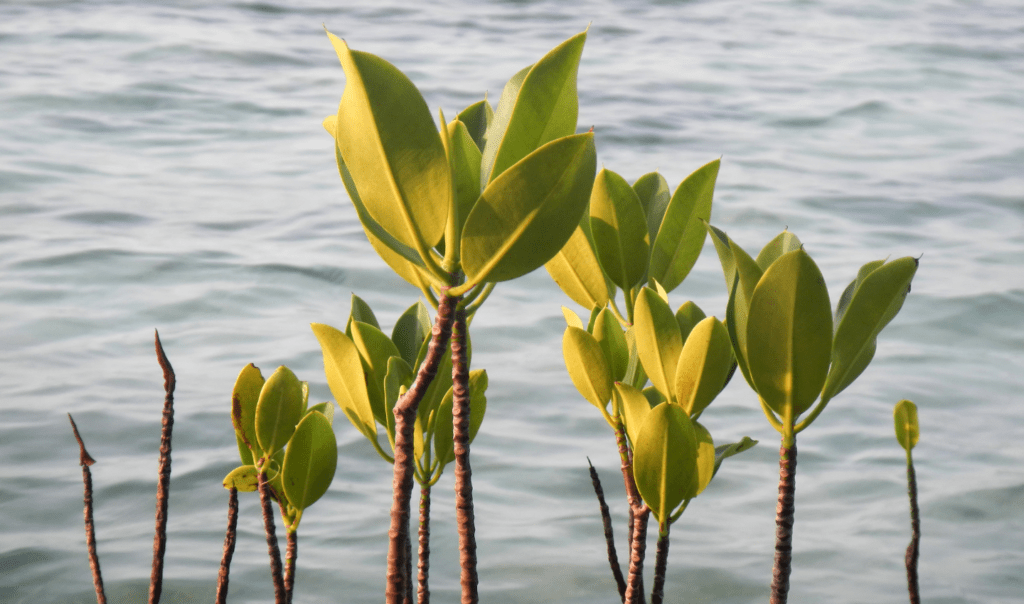
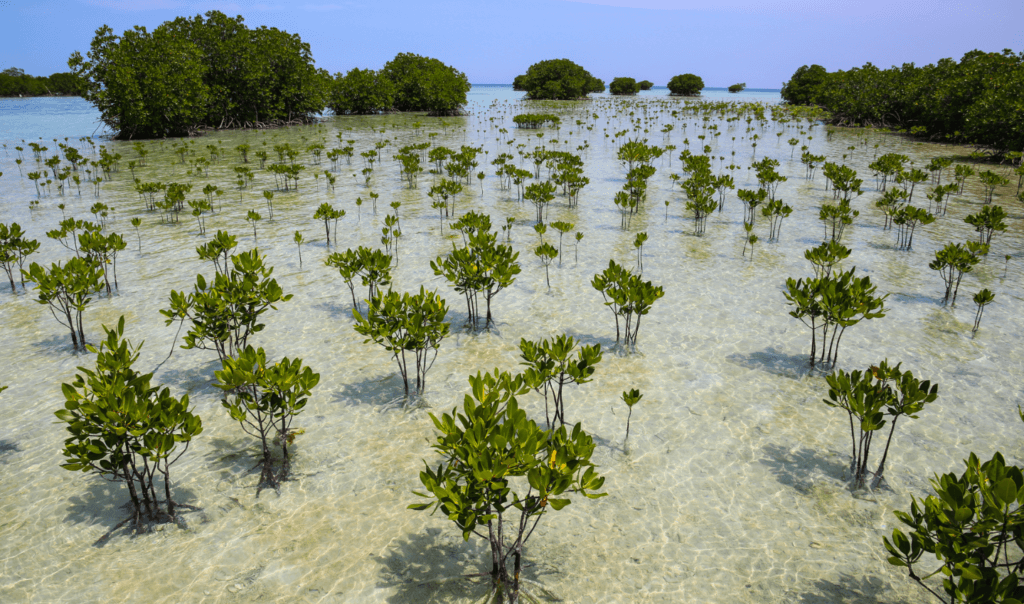
Growing mangrove trees. Mangroves are climate change heroes.

Support ongoing scientific consensus 

We continue to learn about the effects of our activities on the natural environment and subsequently, ourselves, as we unlearn that humans and nature are not separate entities.  

Following the latest evidence and implementing policies and practices to reflect those changes are key to limiting the damage we have done. We must not wait any longer as we have many reliable solutions already.  

Our hope to save and restore the Ocean starts on land.  

As with most climate initiatives affecting the Ocean, we must make sure our Ocean is part of the conversation. 
 

Who are the orca outlaws sinking boats, and why are they?

Subscribe

Monthly: Impact in your inbox.

OceanGeneration-Join

Mangrove Trees: A climate change solution

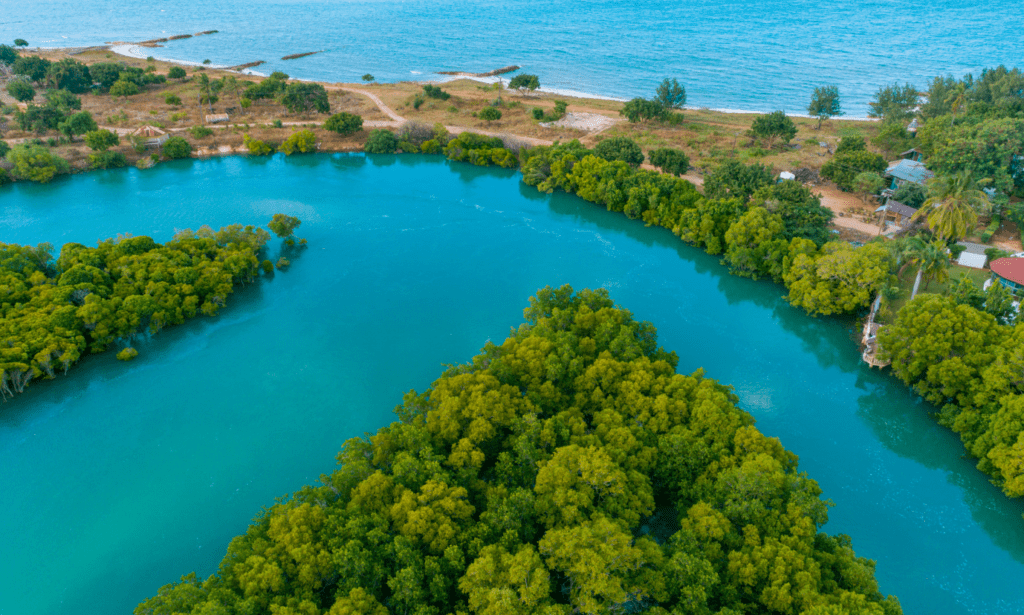
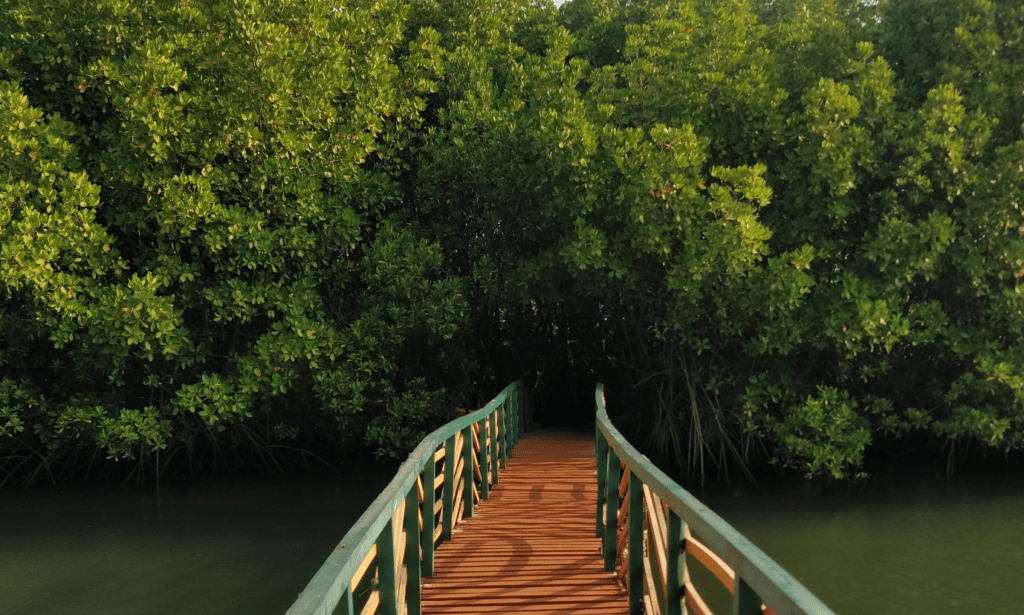
Along the fringes of coastlines, where land and Ocean meet, grow the world’s mighty mangrove trees.

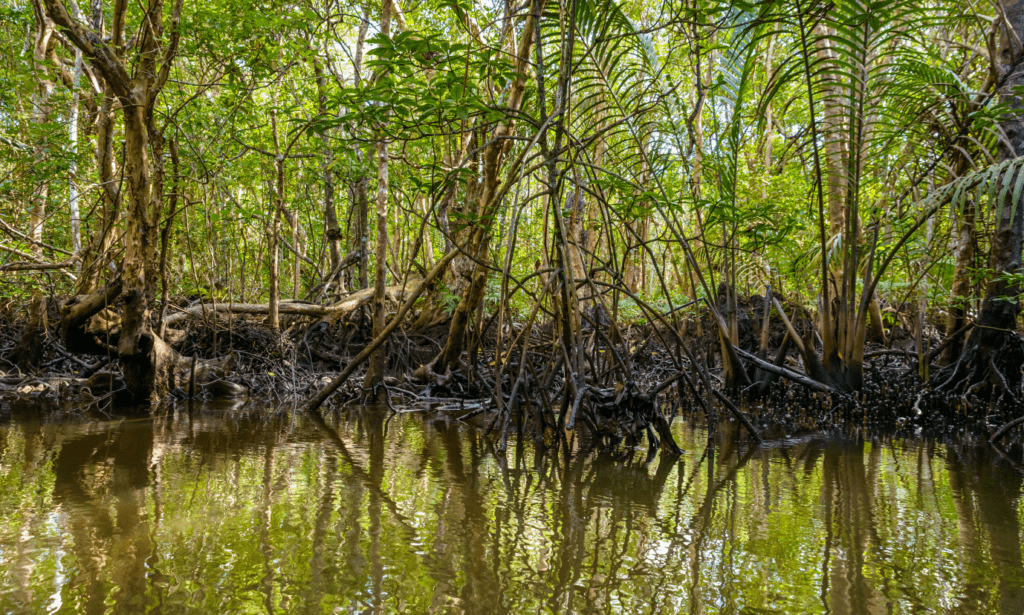
These resilient trees grow along shorelines, with their complex root networks stretching deep into the mud. These coastal ecosystems are found on every continent except Antartica.

Although mangroves may not look like much, they have unique adaptations that allow them to live in saltwater environments and provide crucial habitats for many marine species. 

Why are mangrove trees an Ocean solution 

Mangrove ecosystems are a potent, nature-based solution tackling Ocean threats like climate change and loss of biodiversity.

They are the only forests situated at the confluence of land and sea in the world’s subtropics and tropics and are often called “coastal woodlands”, “tidal forests” and “mangrove forests.”

So, what makes mangroves a climate solution? 

Here are 5 ways mangroves trees tackle climate change:

Mangroves are carbon sinks 

Mangrove trees are highly effective carbon sinks. They sequester (the process of removing carbon from the atmosphere) 3 – 5 times more carbon per hectare than rainforests and they store up to 5 times more carbon per equivalent area.  

Carbon stored in mangrove forests is considered blue carbon as it’s stored on the coast.

“The soil of mangrove forests alone can hold more than two years of global emissions – that’s 22 billion tons of carbon,” according to Project Drawdown. This is why they are a huge Climate Action solution!    

Mangrove forests are biodiversity hotspots 

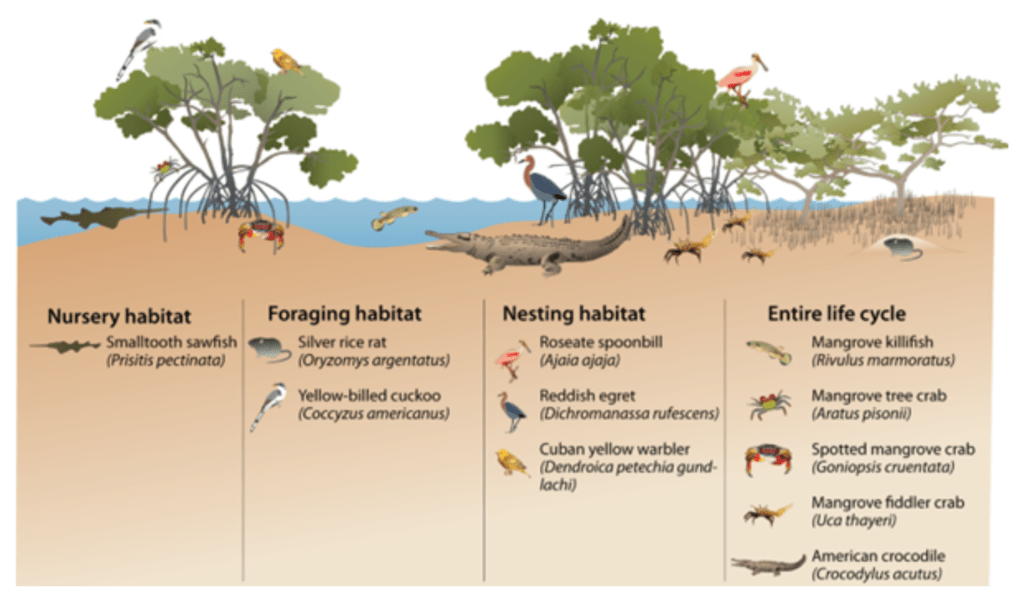
There are up to 25 more species of fish and other wildlife in mangroves than in areas where they have been cut down.

Mangroves also provide nesting and breeding habitats for fish and shellfish, birds and sea turtles. 

How do mangrove trees improve food security

For people living in coastal regions, healthy mangrove forests provide a healthy ecosystem from which to fish – and healthy farmland from which to grow crops and other produce.   

Mangroves are storm protectors 

Mangroves act as natural protection for coastal communities as they protect them from increased storm surges, flooding and hurricanes.  

Your coastal water quality ensurer 

The heavy network of mangrove roots helps filter sediments, heavy metals and other pollutants. This prevents the contamination of waterways and preserves delicate habitats like coral reefs and seagrass beds.  

We’re losing mangrove forests at an alarming rate 

Mangroves are some of the world’s most valuable coastal ecosystems and yet we’ve lost around 50% of Earth’s mangroves in the past 50 years alone. 

If this trajectory continues, we could lose all mangroves within the next 100 years.

By destroying mangrove habitats we not only take away a source of carbon sequestration, we also release all the carbon stored back into the atmosphere.   

Take climate action: Plant a mangrove

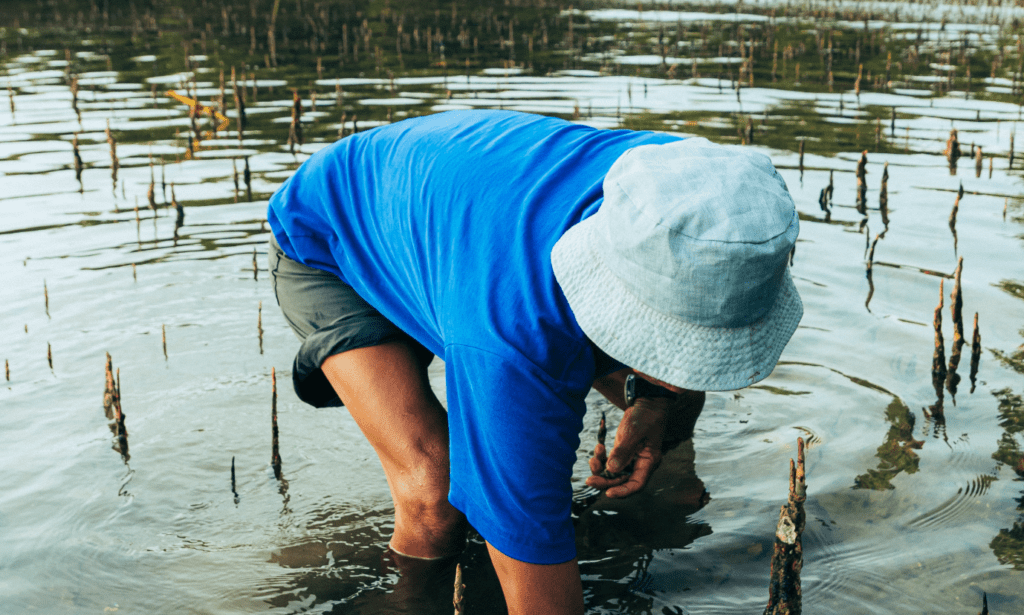
At Ocean Generation, we recognise the that planting mangrove trees is a simple and effective step to take Ocean action – and it’s accessible to everyone.  

Introducing: The Mangrove Mandate

We’re partnering with local experts to restore mangrove forests in Madagascar. Not only does it give you a chance to take Ocean action at the click of a button but it embodies the way we see the Ocean: as part of the solution; not a victim to the world’s problems.

“How can I plant a mangrove tree?”

  • Follow Ocean Generation on Instagram 
  • For every follow, we’ll plant a Mangrove tree in your name.

We can regenerate a Madagascar Mangrove together!

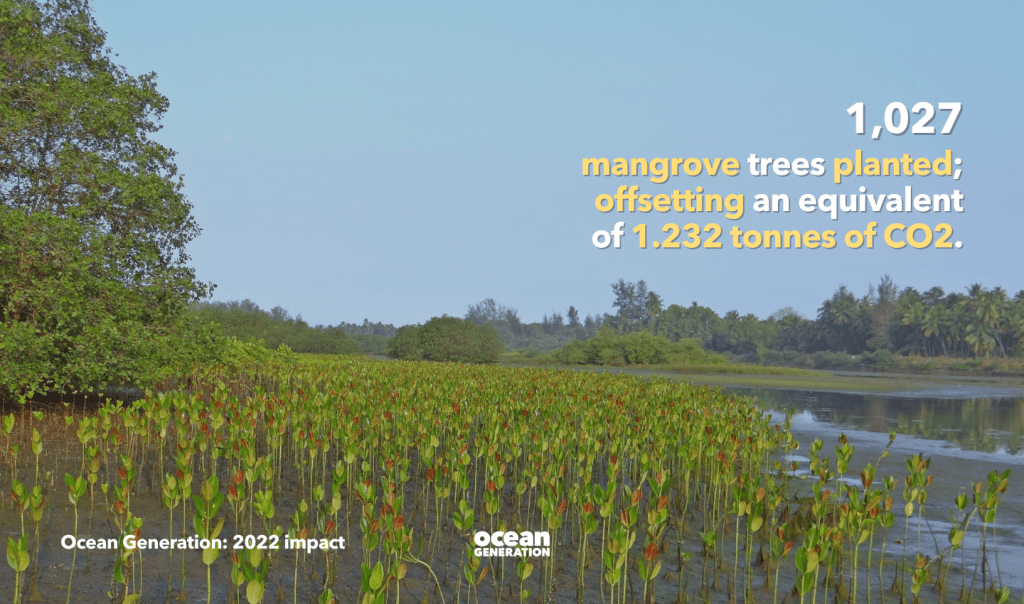
Ocean Generation is the Ocean charity that teaches people about the Ocean and helps them take action to mitigate the climate crisis. In 2022, Ocean Generation planted 1,027 mangrove trees to sequester carbon and protect the planet.

Terms and Conditions

Want to know more ways you can take Ocean action?

Join the Ocean Generation for monthly Ocean news, stories, and ways you can restore the Ocean – backed by science and driven by storytelling.

Subscribe for simple Ocean Science and pop-culture stories

* indicates required

View previous campaigns.

Ocean Generation will use the information provided here to be in touch with updates and marketing.

You can unsubscribe at any time.

Who are the orca outlaws sinking boats, and why are they?

Subscribe

Monthly: Impact in your inbox.

OceanGeneration-Join