Why krill matter: Krill fishing and conservation in the Southern Ocean
Why krill matter: fishing and conservation in the Southern Ocean.

The Southern Ocean is one of the most remote places on the planet.ย 

Itย was only in 1911 that the first human, Roald Amundsen, reached the South Pole.ย For context, the first poweredย aircraft, theย Wright Flyer, took to the air in 1903.ย Humanity conquered the skies before it managed the southern continent.ย The waters here areย cold, barely above freezing, yet full of life. These are some of the richest waters in the world.ย ย 

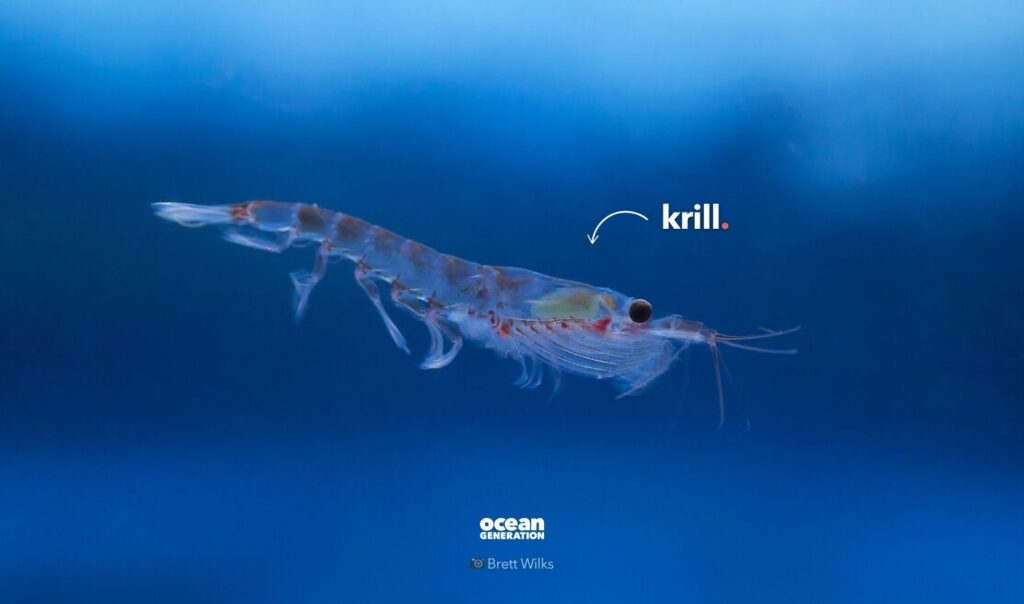
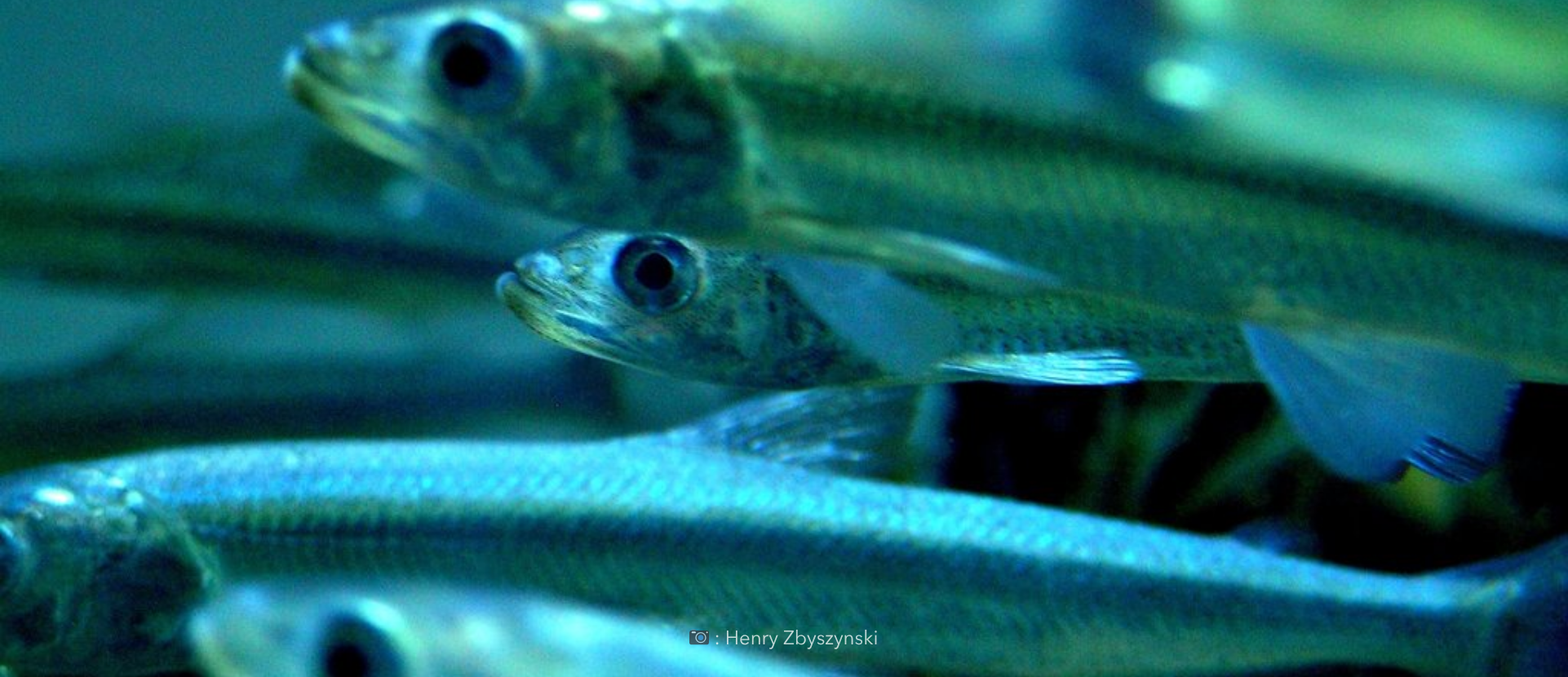
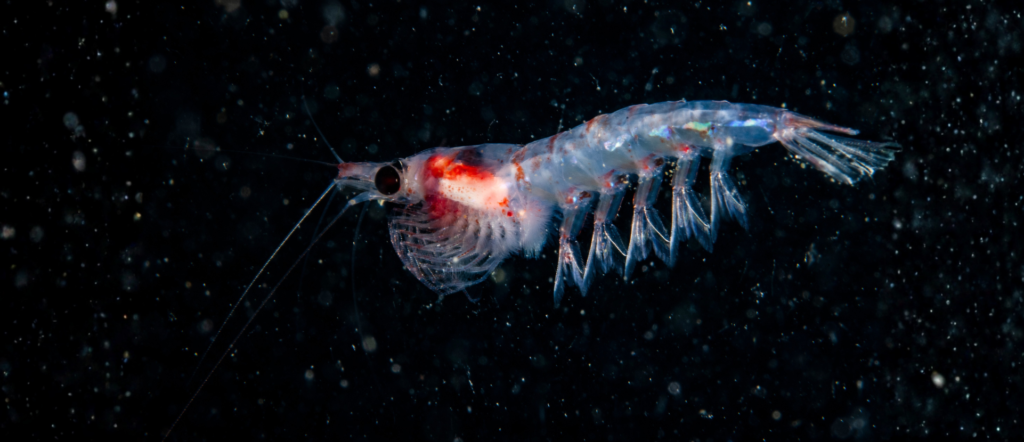
Theย main character is just 6cm long.ย Antarctic krillย (Euphausiaย superba)ย are small, shrimp-like crustaceans. Theyย snack on the phytoplankton that thrives in theย long hours ofย summerย sunlight,ย trapping and storingย similar amounts of carbon to seagrass and mangroves.ย ย 

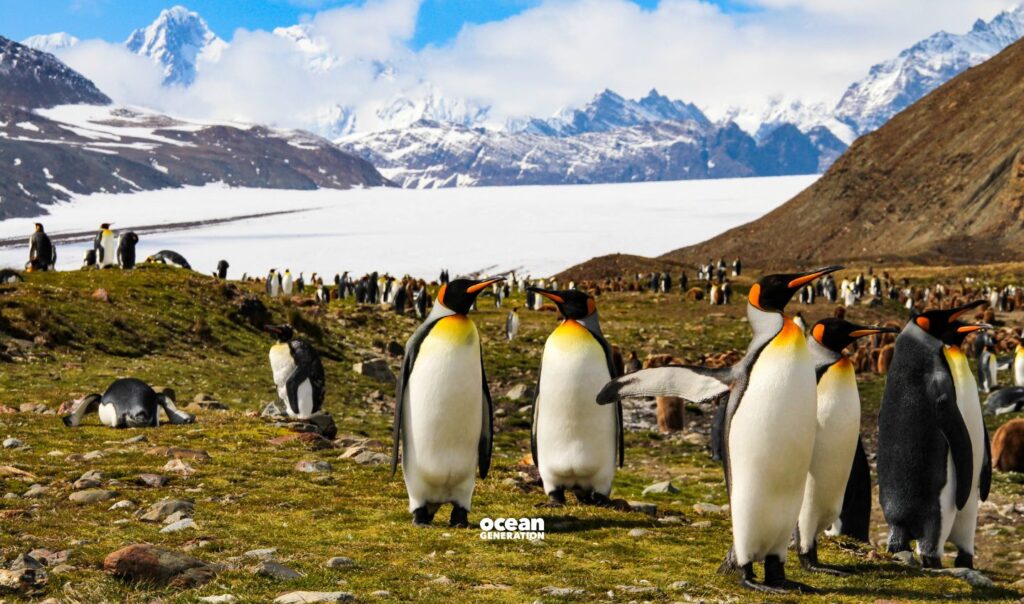
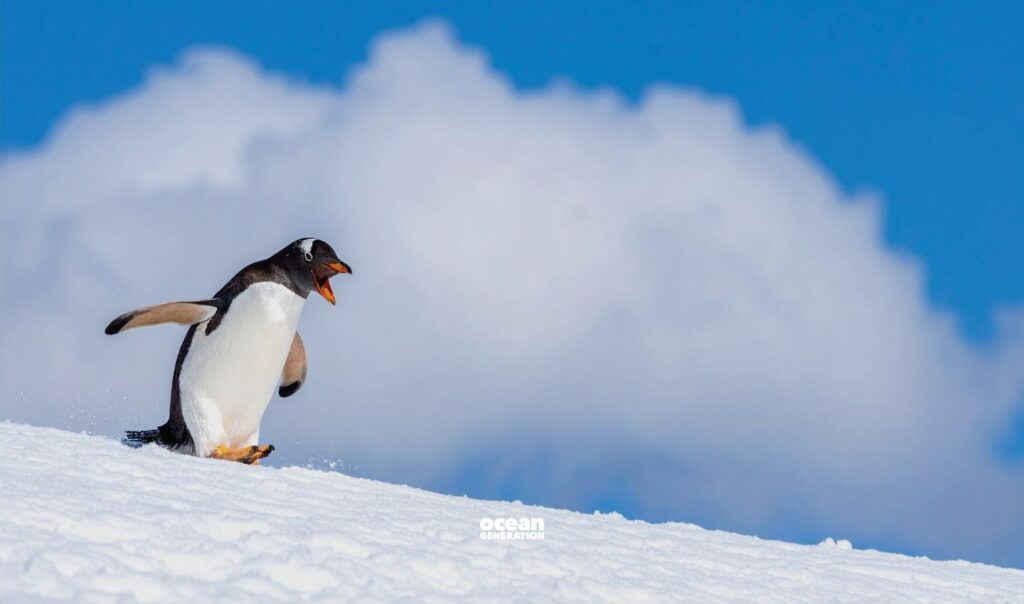
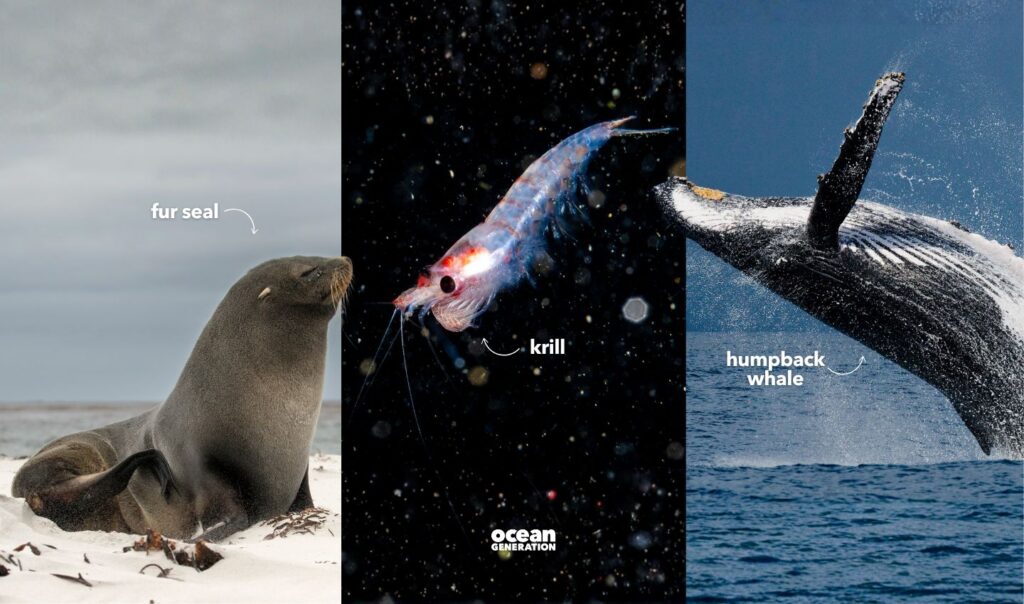
Their importance lies in their numbers: krillย swarmsย are vast.ย The rust-coloured cloudsย areย filled with billions of individualsย andย can beย visibleย fromย space. Theyย sustain most of the life around Antarctica. Penguins, seals, whales,ย fishย and sharks allย rely onย this buffet: krill are a keystone species. More recently,ย peopleย have joined the party.

Krill fishing has become aย divisive topic, being featured in David Attenboroughโ€™s Ocean,ย calls to ban it being promoted at the United Nations Ocean Conferenceย and someย retailers withdrawing krill products from their shelves.ย Meanwhile, countries have appliedย to increase the catch limits andย the amounts of krill being fished are higher than ever.ย ย ย 

To understand where we are going, first we can look at where we have been.ย Whyย areย krill important?ย What is our history in the Southern Ocean?ย What is our future?ย 

Antarctic krill are small shrimp-like crustaceans. Posted by Ocean Generation.
Photo credit: Brett Wilks

How did we get here?ย 

In 1775, Captain James Cook returned to England from a voyage around the world, in which he had searched forย new lands.ย Heย foundย thereย wasnโ€™tย a new continent in the Pacific Oceanย (at least not where one was predicted to be)ย and hypothesised on the existence of Antarcticย land behind the iceย (which he was correct about).ย ย 

Heย hadย discovered some land on his travels: an island populated by seals and penguins, which was named โ€˜Isle of Georgiaโ€™ inย honour of King George III of England.ย We know it now as South Georgia.ย 

Sealing and whaling in the Southern Oceanย 

The element of Cookโ€™s report that got attention was the abundance of fur seals on South Georgia and neighbouring islands.ย These pinnipeds were highly sought after, and between 1778 and 1822 an estimatedย 1.2 million fur seals were killedย for their pelts. The speciesย wasย almost completelyย wiped out on South Georgia and the islands.ย ย 

The rise of industrial whaling then turned focus on to the waters of the Southern Ocean around Southย Georgia. Factory ships and explosive harpoons reduced the great whales toย 18% of their original population.ย 5% of blue whales were left, and just 3% of humpback whales survived. When the last two whaling stations closed on South Georgiaย in 1965,ย 175,250 whales had been killedย in those waters.ย ย ย 

South Georgia, Antarctica. Posted by Ocean Generation.

When did krill fishing start?ย 

Industrial fishing had beenย largely unmanaged, and everyone raced toย benefitย from the natural resources the Southern Ocean had to offer. One by one theย marineย species of the south had been targeted toย great effect, and populations crashed. The focus then shifted to krill.ย ย 

Industrial fishing for krill in the Southern Ocean increased through the 1960s and 1970s. As the species that formed the foundation of the ecosystem, theย alarm bells rang, loud,ย at the prospect of theย krill suffering the same fate as the seals and the whales.ย ย 

Why are krill important?ย 

Krill areย a keystone speciesย 

The loss of krill would beย disastrous for many different species.ย Whales, seals,ย penguinsย and fish are all krill predators.ย Less krill means less food for these species.ย ย 

Southern Right whale mothers have shown aย decrease in body condition over the past 40 years,ย suggesting ecological strainย on an animal heavily reliant on Antarctic krill.ย ย 

Theย population of krill has been linked with Adelie and chinstrap penguin numbersย โ€“ when there is less krill, the penguin populations decrease.ย ย And the fur seals, populations freshly rebounded from the hunting of the nineteenth century,ย areย showing declines due to krill availability.ย 

Withoutย krill, lifeย in the Southern Ocean could collapse.ย  ย 

To relay it in economic terms, krill are a vital piece of an ecosystem that provides, conservatively,ย $180 billion annually in ecosystem servicesย โ€“ aboutย 70% of Newย Zealandsย GDP in 2024.ย ย 

Krill are climate championsย 

Itย isnโ€™tย just the animals in the Southern Ocean that depend on these.ย Krill are big players in the balancing of our atmosphere. They trap (sequester) a lot of carbon.ย ย 

As phytoplankton photosynthesise, they take in carbon dioxide. When they are eaten by krill, the krill take on that carbon, some of which is then… dropped off. Krill faecal pellets (poo) alone areย estimated to sequester 20 million tonnes of carbon dioxide per year. Depending on the price of carbon, this is worth between $4 and $46 billion.ย 

Marshes,ย mangrovesย and sea grass are estimated to absorb 13, 24 and 44 million tonnes per year respectively, so when you add in the extras of krill moults (20 million tonnes) and migration (26 million tonnes), as the researchers say: โ€œit is likely that Antarctic krill is amongst the worldโ€™s most important carbon-storing organisms.โ€ย 

How is krill fishing managed in the Southern Ocean? Explained by Ocean Generation, leaders in Ocean education.

How is krill fishing managedย in the Southern Ocean?ย 

Those alarm bellsย over the fishing of krillย led to the creation ofย the Commission for the Conservation of Antarctic Marine Living Resources (CCAMLR). It was formed in 1980 and entered force in 1982.ย ย 

The CCAMLR isย made up of 27ย member statesย (as of January 2026), with a further 10 โ€˜Accedingโ€™ states โ€“ that support butย donโ€™tย contribute to the budget or take part in decision making.ย 

Theย stated aim:ย to protect and conserve the ecosystem of the Southern Ocean. Article II of the convention states:ย ย 

  • Theย objectiveย of this Convention is the conservation of Antarctic marine living resources.ย 
  • For the purposes of this Convention, the term โ€˜conservationโ€™ includes rational use.ย 

This captures a crucial distinction: fishing is an element of conservation, ratherย than an adversary.ย ย 

Howย doย youย preventย overfishing?ย 

Catch Limitsย 

A general rule of thumb is that youย canโ€™tย remove so much the populationย canโ€™tย sustain itself. That will vary with species โ€“ some animals reproduce a lot faster than others.ย ย 

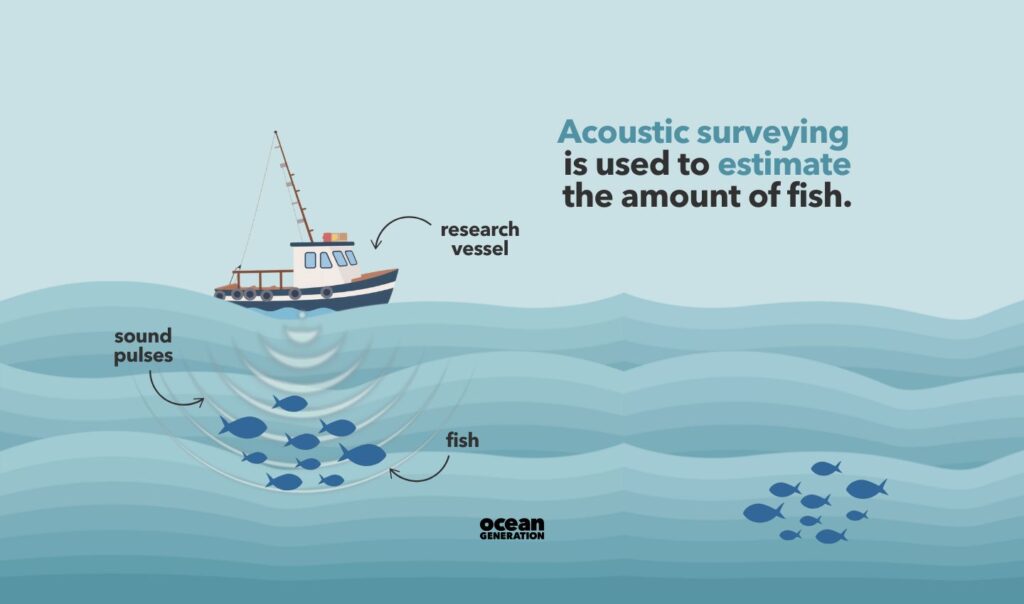
Understanding how much of a resource there is, isย fundamental to managing it. This is one of the biggest obstaclesย in the Ocean:ย the water means youย canโ€™tย just seeย (sea). In a field you can see how many cows there are, not true of a shoal of fish.ย ย 

Acoustic surveying (using noise to find out what is there,ย like a bat) gives us estimates for theย amountย of krill. In short โ€“ a lot. We estimate there are over 300 million tonnes of Antarctic krill,ย roughly theย same as the biomass of humans.ย ย 

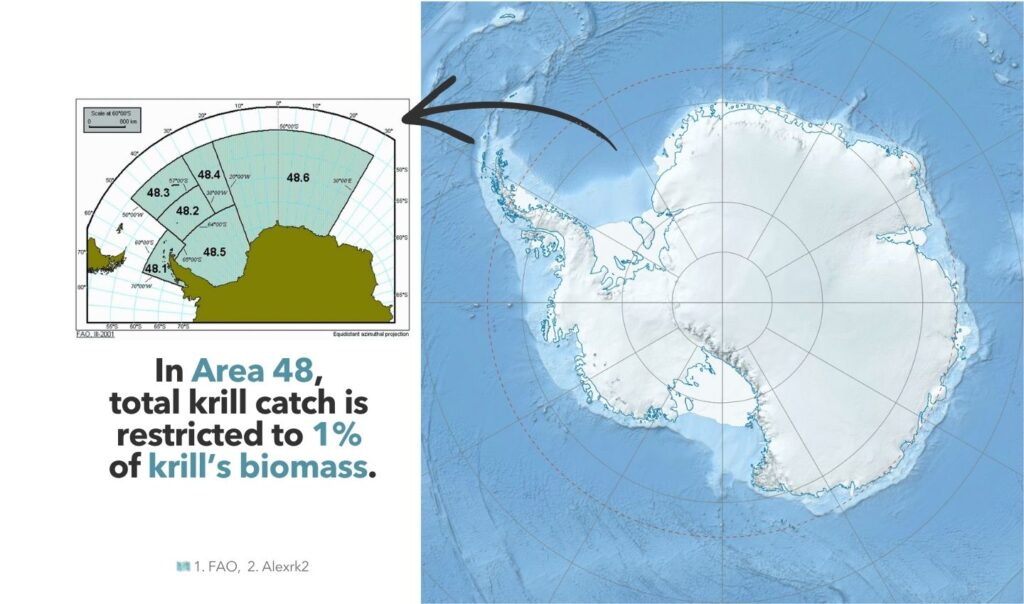
In the specific area targeted for krill fishing (known as Area 48), the biomass is estimated atย 62 million tonnesย (coincidentally,ย roughly theย same mass asย annual e-waste produced). So,ย CCAMLR adoptedย Conservation Measure 51-01. CM 51-01ย set a trigger level at 1% of thatย biomass (620,000 tonnes)ย โ€“ when that is reached,ย all krill fishing stops, no questions asked. August 2025 was the first time this happened.ย 

How acoustic surveying works: Explained by Ocean Generation.
Marine Protected Areasย 

Another tool in the toolbox is protected areas โ€“ designated places with specific rules. Choosing to avoid fishing inย nursery areas, or places with high densities of predators, can ensure the health of theย fishery.ย ย 

The Southern Ocean is home to the first MPA on the high-seas (outside of theย jurisdictionย of any one country) and the largest. Theย South Orkneyย Islands Southern Shelfย MPAย was created inย 2009, andย is a no-take zone protecting penguin foraging areas.ย ย 

Theย Ross Sea MPAย wasย created in 2016 and is 2.09 million square kilometres,ย 72% ofย which is a no-take zone.ย The MPA has a controversial โ€œsunset clauseโ€,ย meaning the MPAย willย expire inย 35 yearsย unlessย renegotiated.ย ย 

There areย four other MPAs that have been proposed,ย but not yet agreed on.ย ย 

Hasย theย managementย of krillย worked?ย 

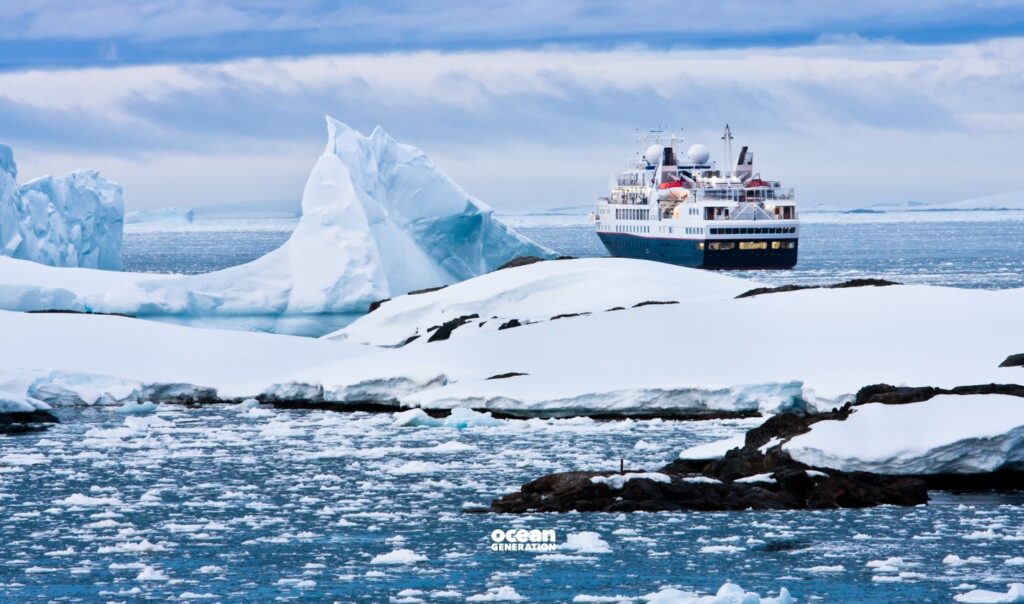
The krill fishery is one of the mostย closely managedย in the world.ย Every single shipย has an independent scientific observer on boardย to ensure catch and bycatch amounts are accurately reported.ย There is zero illegal,ย unreportedย orย unregulated (known as IUU) fishing puttingย additionalย pressure on stocks.ย ย 

Bycatch rates areย very low. In 2004,ย after pressure to report bycatch, it was revealed 292 fur seals had been killed as bycatch. This prompted the fishery to adopt mitigation measures, andย since 2010,ย 39 fur seals have been killed.ย This is alongside 7 humpback whales and 80 seabirds.ย ย 

In many senses, this isย a great success. Krill populations are stable and thereย haveย been little ecological impact from fishing.ย No other large-scale fishery in the world is as well-monitored, as efficient (in avoiding byย catch)ย or conservative with catch limits. The industry refers to theseย points as support for increasing the limits.ย ย 

What's next for the Southern Ocean? Posted by Ocean Generation.

Itโ€™sย not just โ€˜how muchโ€™:ย Why location-specific catch limitsย matterย 

The numbers look excellent. However, the risk lies in local depletion. Taking 1%ย isnโ€™tย much unless you take it all from one place.ย ย 

Penguins,ย sealsย and whales need the krill withinย reach.ย They can travel to find them, but the further they go,ย the more energy they spend to get there and the less far the meal will go.ย ย 

To make an analogy:ย ย 

It is like buying sweets. If you have ยฃ10 to spend onย sweets,ย you could either buy lots ofย different typesย of sweets or spend all the moneyย just on fudge. If you do the latter, Timmy from down the road might not get the fudge he wants because you bought it all.ย 

To avoid krill fisheries removing the entire quota from one area and leave the local penguins hungry, CCAMLRย introducedย Conservation Measure 51-07ย (CM 51-07). CM 51-07ย dividedย the catch limits inย area 48 intoย Subarea 48.1ย (25%, 155,000t), 48.2 (45%, 279,000t), 48.3 (45%,ย 279,000t) and 48.4 (15%, 93,000t).ย Itย added another layer of protection to CM 51-01, but was a temporary measureย with an expiry date, to incentiviseย agreementย on long term measures.ย ย 

In 2024, theย CCAMLR failed to agreeย onย new โ€œmove onโ€ rules.ย ย These would ensure fishing vessels leave an area once they have caught a certain amount, tackling the issues of local depletion.ย CM 51-07 expiredย without replacementย at the end of the 2024 fishing season,ย leaving theย krill fishery with onlyย CM 51-01ย (whenย ย 620,000ย tonnesย of krill is caught, fishing automatically stops)ย asย guidance.ย ย 

The CCAMLR currentlyย doesnโ€™tย have anyย special measuresย to prevent the full quota being taken from the same place.ย ย 

Area 48 krill fishery in Antarctica.

What is next in the Southern Ocean?ย 

The krill fisheryย isnโ€™tย just dealing with changing policies, but also a changing Ocean.ย ย 

The Southern Ocean isย getting warmer.ย ย 

The areas of sea ice coverage are decreasing, and aย record low in 2023ย was 1.02 million square kilometres less than the 1979-2022 average daily minimum.ย That is the same size as Egypt.ย The previous four years have seen the minimum sea ice extent dropย below 2 million square kilometres.ย ย 

Krillย dependย on sea ice.ย Theย changing amounts of ice impact theย krill’sย foodย โ€“ phytoplankton.ย As juveniles, they stay close for protection and graze off the algae that can grow on it.ย Less ice means less shelter and less food, which leadsย to a lot less krill before any fishing has happened.ย Maximum sea ice extentsย impactย the following summer blooms of krill โ€“ more ice means more food and shelter for young krill, who then visibly blossom in the summer. 2025 had theย third lowest sea ice maximum, behind only 2023 and 2024.ย ย 

Since the 1970s, we have been seeing aย reduction in the density of krill adults, and in the occurrence of very dense swarms around the Antarctic peninsula.ย These environmental changes also meanย the krill are moving southย โ€“ staying closer to the pole, where it is colder.ย This means that the northern ecosystems are losing access to their main food supply.ย It also means the areas divided up for krill fishing may not capture where the krill are anymore.ย 

Conservation success: the return of the whales to Antarctica. Posted by Ocean Generation.

One of the biggest wins for nature and conservation is the return of the whales.ย ย 

Afterย populationย depletionย by industrial whaling, whale populations are increasingย to their historic levels.ย As whalesย return,ย theย amountย of krill they eat increases.ย ย 

Acceptableย krillย catch limits from 20 year ago may no longer cater for the larger whale populations, which is why re-assessment is so important.ย ย 

Even if the amounts of krill taken are acceptable, the fishing vessels can still affect the whales. The vesselsย disturb theย whales andย can spread krill swarms out more. This means that whales can spend more energy getting the same amount of food, which decreases their body condition and reducesย their capacity to reproduce.ย ย 

The situation gets more complicated when you combine the changes.ย Less krill is likely to disturb the recovery of whale populations.ย ย 

ย Where do we standย on the future of krill?ย 

The warming world and returning whales need to be factored into our management of krill fishing. But recent progress has been slow.ย 

There is a lot of disagreement over the future of the krill fishery. In the meeting of the CCALMR in October 2025,ย Norway proposed a doubling of the catch limits for krill. At the same time,ย scientists are calling for a re-evaluation of the limits, as they are based on old data and assumptions. Meanwhile, concernย about the exploitation of the Southern Ocean resulted inย UK retailerย Holland and Barrett withdrawingย all krill productsย by April 2026.ย 

The challenge of consensusย 

The CCAMLR operates on a consensus decision making model. Everyoneย has toย agree before new measures can be introduced.ย New MPAsย havenโ€™tย been agreed becauseย oneย or two countriesย have blocked themย on the grounds of a lack of scientific evidence and their right to fish for krill and other target species.ย ย 

What have we learned from exploitation in the Southern Ocean?ย ย 

There is a lot of hope to be found in the Southern Ocean. Fur seals were given protection in 1909, and their numbers have nowย recovered toย over 3 million.ย Whaling stations on South Georgia are relics of the past, rusting microcosms ofย the industry they supported.ย ย 

The CCAMLR is different to any other fishery. It has learned fromย previousย mistakes andย has madeย decisions based in robust science.ย A well-managed fishery will always beย called too conservative, too limiting, too safe, because it will never reach the point of collapse or decline.ย So far, krill populations haveย remainedย steady, unaffected by us.ย ย 

The Southern Ocean is changing, and so the fishery must change with it.ย Climate change, moreย whalesย andย improvedย understanding of the ecosystem should all be considered in new fishery management.ย ย There are three things to take from this:ย ย 

  • Weย are capable of facilitatingย the recovery of the Ocean.ย ย 
  • The Southern Ocean, and its krill,ย areย facing new challenges.ย 
  • We allย benefitย from the Southern Ocean, and its krill,ย flourishing.ย 

Krill are small but mighty. They fuel giantsย and balance our climate. The continuing battle to protect themย demonstratesย how far we have come. We can understandย better than everย the benefits this tiny crustacean impartsย as a part of its ecosystem.ย ย 

Weย donโ€™tย have all the answers, but the progress is reassuring.ย A relationship with the Ocean that is based in our understanding of the impacts of our actions will be much more productive than one based on theย potentialย profits.ย ย 

Krill areย not theย impressive,ย charismaticย Ocean animals that whales and penguins are.ย But if we fail krill, we stand to lose the rest.ย Krill can be the species that marks a new chapter in our relationship with the Oceanย โ€“ one in which we work with our Ocean rather than at the cost of it.ย ย 

What have we learned from exploitation in the Southern Ocean?

Narwhals and Unicorns: How the magic of the Arctic has changed

Subscribe

Monthly: Impact in your inbox.

OceanGeneration-Join

What is the High Seas Treaty?

What is the High Seas Treaty? Explained by Ocean Generation, leaders in Ocean education.

Everything you need to know about the High Seas Treaty 

Officially, it is the Agreement on the Conservation and Sustainable Use of Marine Biological Diversity of Areas beyond National Jurisdiction. It is known colloquially as the High Seas Treaty. Or, BBNJ (biodiversity beyond national jurisdiction) Agreement.  

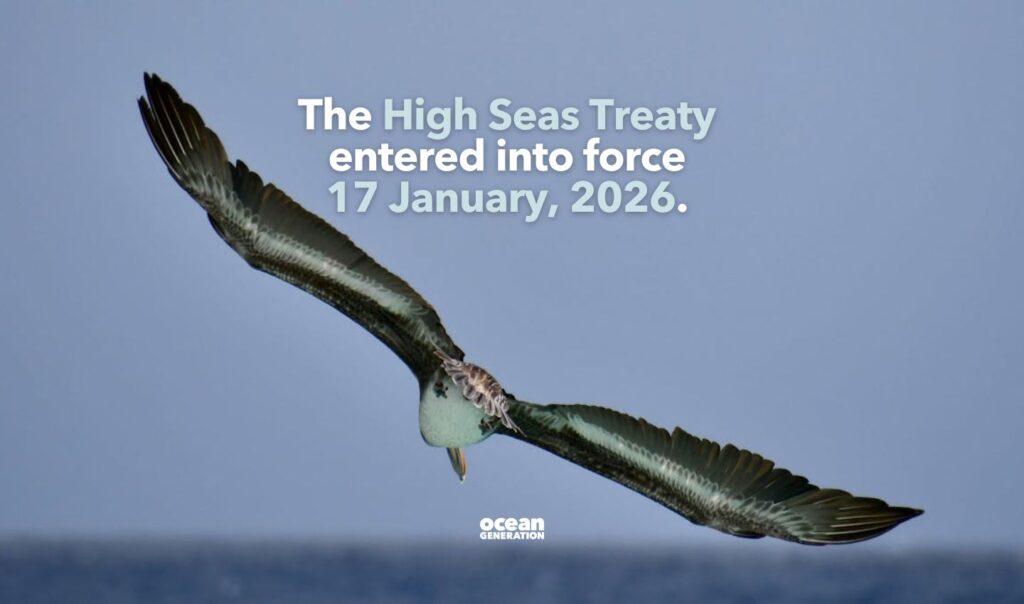
It entered force on 17 January 2026, 120 days after receiving the necessary 60 ratifications on the 19 September 2025.

What are the high seas

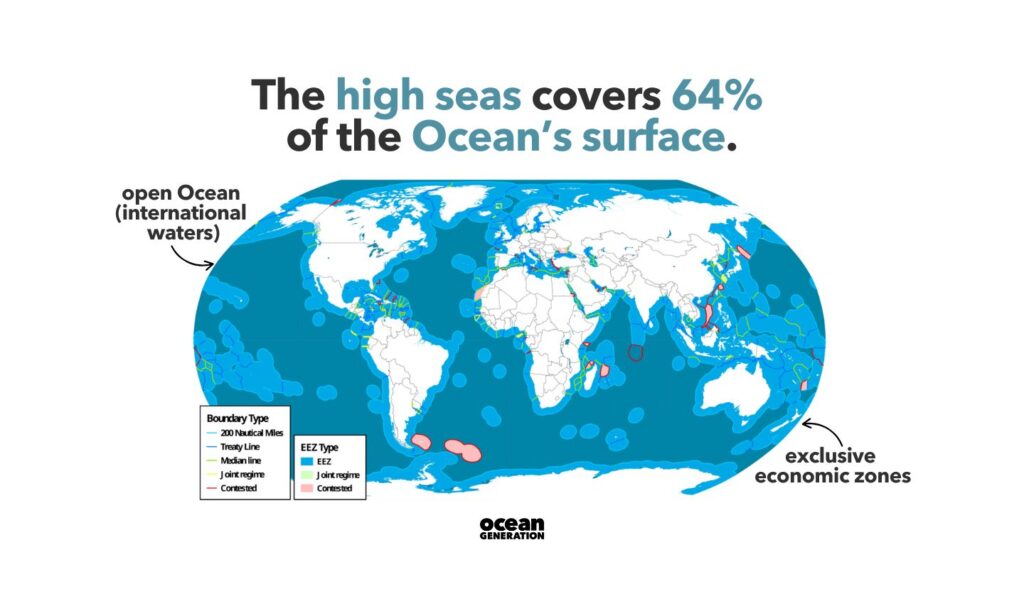
The high seas refer to around 64% of our Oceanโ€™s surface.  

In 1958, 63 countries signed the Convention on the High Seas, defining the โ€œhigh seasโ€ as the Ocean not within territorial waters.  

In 1982, the United Nations Convention on the Law of the Sea (UNCLOS) was signed, establishing exclusive economic zones (EEZs) reaching 200 miles out to seaโ€“ each country has sovereign rights (โ€˜ownershipโ€™) to the Ocean and seabed within 200 miles of its coast.  

The rest of the Ocean, including the water column and โ€œthe Areaโ€ (the seabed outside these EEZs), are the high seas. 

What does the treaty do?  

What does the High Seas Treaty do? Posted by Ocean Generation.

What is the process

The agreement can be traced back to December 2017, when the United Nations General Assembly voted to start creating the High Seas Treaty.

The agreed-upon five meetings (with a gap due to COVID-19) failed to produce an agreement.  

In March 2023, at the sixth meeting, the text of the agreement was finalised. The treaty was open for signatures for two years, from 20th September 2023, until 20th September 2025.  

68 countries immediately signed the agreement, and another 13 signed in the two days after. 

Palau was the first country to ratify, in January 2024.

At the United Nations Ocean Conference in June 2025, there were 20 signatories and 19 countries ratified, bringing the total number to 51. 

Whatโ€™s the difference between signing and ratifying

Signing the agreement and ratifying are not the same. Signing is announcing the attention to ratify. Ratifying the agreement means committing to the agreement officially.  

There is no deadline on ratification after signing; Parties can ratify at any point. Only Parties that have ratified the treaty are legally bound by it, and able to enjoy the benefits.  

The High Seas Treaty will come into force January 2026. Posted by Ocean Generation.

When did the High Seas Treaty come into force

On 19 September 2025, Morocco became the 60th country to ratify. This initiated a 120 day countdown, which ended on January 17th 2026. From then, it is legally binding (for those who have ratified).  

A year on, the first Conference of the Parties (COP) will meet to discuss high seas conservation, such as identifying the areas to protect. Belgium and Chile have submitted bids to host the Secretariat, and Chile has included a suggestion for the first high seas MPA.

Why protecting the high seas is so important 

The high seas used to be out of our reach. Untouchable and unaffected by human activities. But in just the last sixty years or so, our technology has improved, this vast wilderness has become far less wild.

This has enabled us to benefit from the Ocean beyond our national borders. Fishing flotillas can travel the world and cargo ships cris-cross the Ocean. This global reach โ€“ impossible to our grandparents โ€“ has changed our relationship with the Ocean.  

Without responsibility or ownership over the high seas, everyone has an incentive to extract as much as they can before anyone else. In just six decades, this free-for-all has led fishing stocks being depleted, marine animals being exposed to large amounts of noise from marine traffic and pollution accumulating out at sea.  

The High Seas Treaty aims to solve this and enables the protection of important marine areas that donโ€™t belong to any single nation. It enables the world to take responsibility for the wild Ocean. 

A common misconception is that the end goal of conservationists and the marine industry (such as fishing and tourism) are incompatible. But healthy fish stocks are all a fisherman asks for, flourishing ecosystems pull in tourists and rich biodiversity offers untold discoveries and advances in pharmaceuticals and engineering to name but two.

Protecting the Ocean means letting it thrive, and we all enjoy the boon of a thriving Ocean.  

The High Seas Treaty creates an opportunity. An opportunity to nurture our Ocean and share the benefits from it.  
Ocean Generationโ€™s Statement on the High Seas Treaty:  

โ€œWe are delighted to hear that the UN High Seas Treaty has finally become a reality. 

A healthy Ocean is vital for the survival of all living things, and this is the message we continue to deliver through our work at Ocean Generation. Protecting 30% by 2030 must, however, be seen as a minimum requirement. 

We view this agreement as a starting point. The Ocean is our ally in the fight against climate change and we must stop underestimating its role in our survival.โ€ 
Jo Ruxton MBE  
Founder of Ocean Generation 

Protecting the Ocean means letting it thrive. Posted by Ocean Generation.

Narwhals and Unicorns: How the magic of the Arctic has changed

Subscribe

Monthly: Impact in your inbox.

OceanGeneration-Join

What Happened to the Stellerโ€™s Sea Cow? Explained.ย 

What happened to the Steller's sea cow? Explained by Ocean Generation.

There are two theories about what happened to Stellerโ€™s sea cow. Letโ€™s unpack them. 

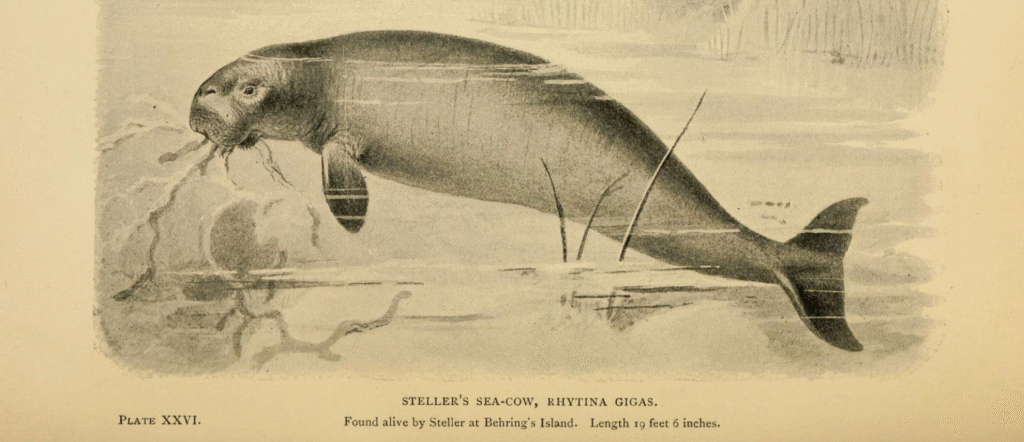
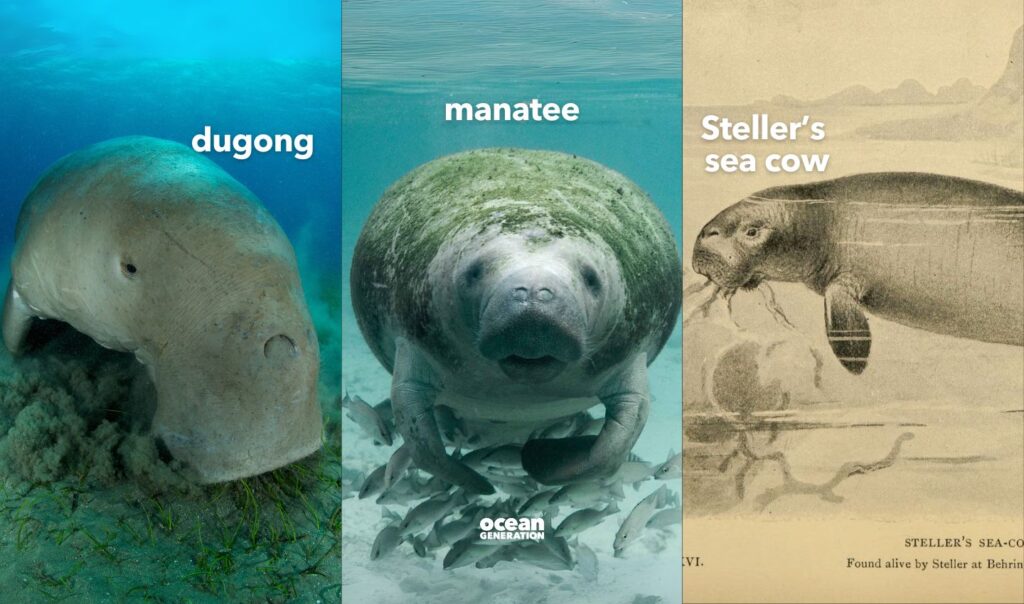
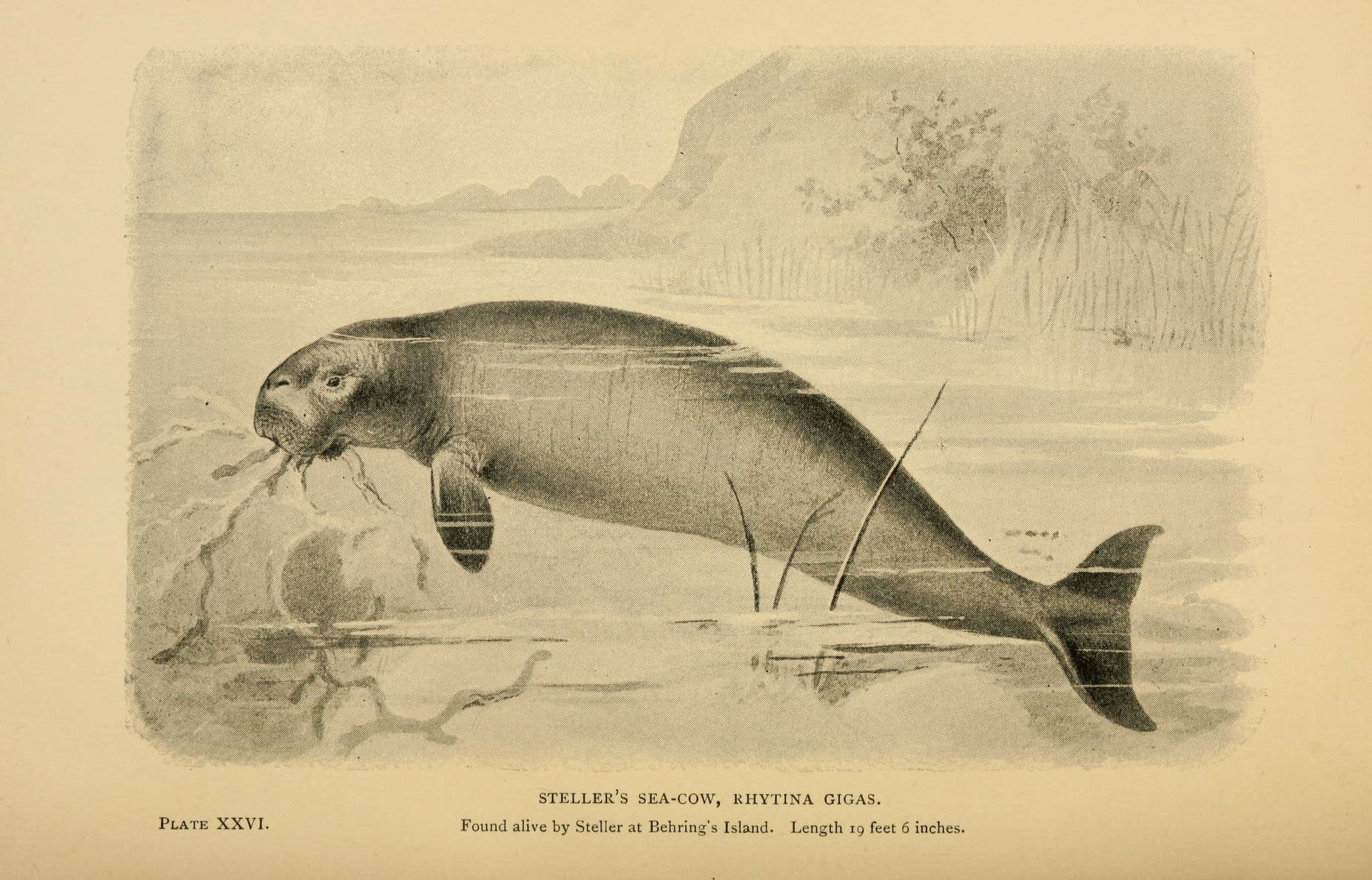
Steller’s sea cow was a 7-metre-long, 5-tonne cousin of the manatee; known to graze peacefully in kelp forests. But just 30 years after the sea cowโ€™s discovery – it vanished from the Ocean forever.  

In this article weโ€™re going to explore two theories for why this marine species disappeared. Both involve hunting, but one requires an understanding of the habitat that Stellerโ€™s sea cow called home: the kelp forest.  

By looking at this complicated history, we can begin to understand the complex interactions going on under the Ocean surface, and learn lessons about how we can best preserve these incredible ecosystems in the present. 

Steller's sea cow was a 7-metre-long, 5-tonne cousin of the manatee. Posted by Ocean Generation.
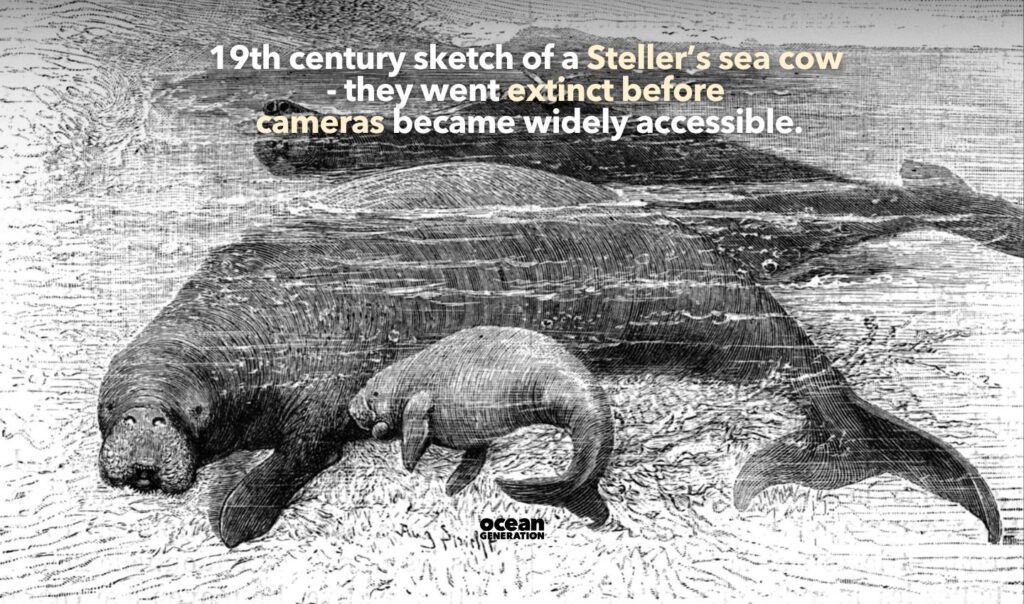
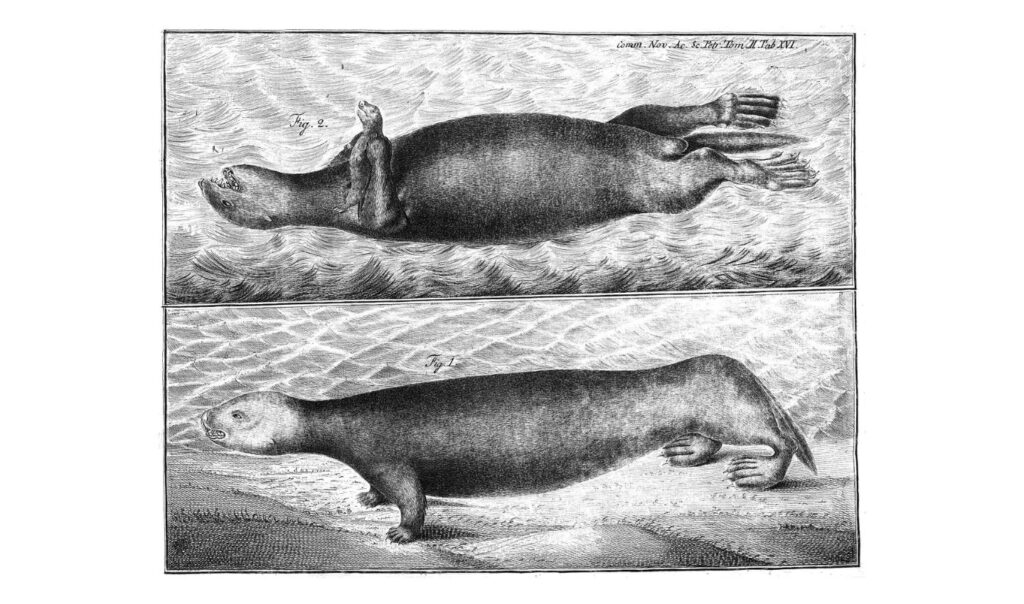
Steller’s sea cow sketch by Biodiversity Heritage Library

The story of Stellerโ€™s sea cow starts with a shipwreck. 

On the 6th November 1741, the Svyatoy Petr was shipwrecked on an isolated and uninhabited island, now known as a part of the Commander Islands chain. For several months, the crew of sailors, cartographers, geographers, and natural historians had been carrying out one of the first scientific explorations of the North Pacific.  

Stranded for nearly a year, the remaining crew salvaged materials from the wreckage, and built a ship that could cross the Ocean back to Russia.  

One of the most consequential outcomes of this failed expedition was the presence of a curious and observant  naturalist, George Wilhelm Steller. For almost a year, he made meticulous observations, sketches, and notes on the unfamiliar and captivating wildlife that surrounded him, which have been left to us as an invaluable historical and ecological artefact.  

From a massive population to extinct: 

One creature left a particularly strong impression on George Steller. He wrote in his journal of โ€˜gigantic manatees grazing all about the islandโ€™s lagoonsโ€™. These cousins of the manatee would often exceed 5,000kg in weight. He observed that they were very sociable creatures, sticking in large herds and eating kelp floating at the Ocean surface as though it were grass, โ€˜in the same way as horses and cattleโ€™.  

Although Steller wrote that they were so numerous that โ€˜that they would suffice to support all the inhabitants of Kamchatkaโ€™, a twist of fate left them extinct by the 1760s. To understand them, scientists have had to look at historical evidence and their closest living relatives, dugongs and manatees. 

Sketch of a Stellers sea cow. Posted by Ocean Generation.

Story One: Hunting 

Stellerโ€™s crew hunted sea cows as a source of food whilst stranded on Bering Island. Steller recalled a story in his journal about the psychological stress this placed on them. Whilst hunting a female sea cow, a male aggressively followed and tried to ram their boat, following all the way to shore long after the female had died. They also hunted other creatures including otters and seals.ย 

This is the most common theory for the extinction of the sea cow: they were exploited for their meat, fat, and hides, the latter of which would be used in the construction of boats. This theory suggests that the hunting was so widespread and unsustainable that the population was put under great stress and collapsed within 30 years.ย 

Story Two: Loss of Keystone Species 

In the past few decades, a group of scientists have put forward an alternative theory.  

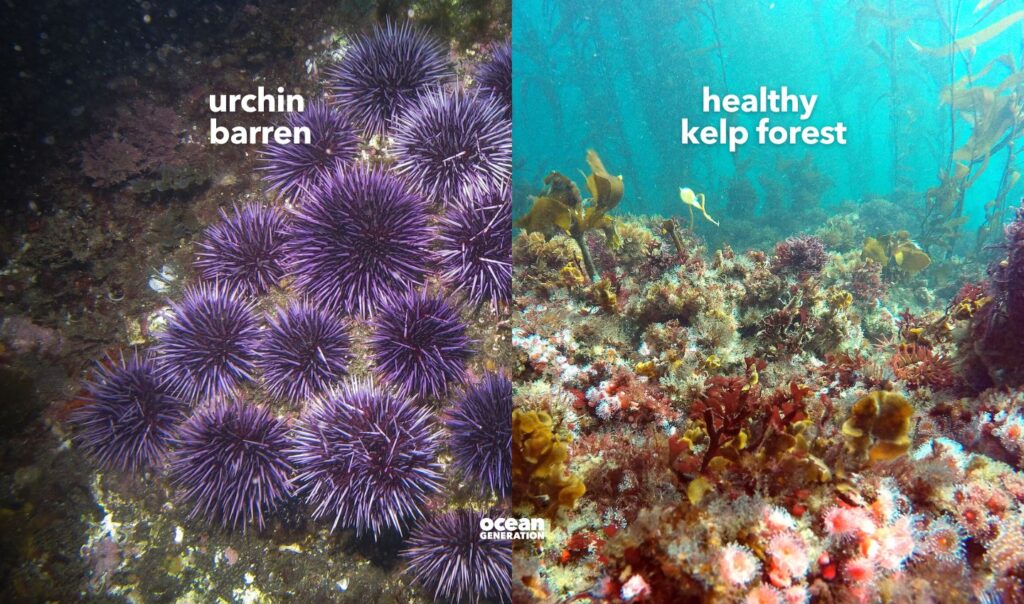
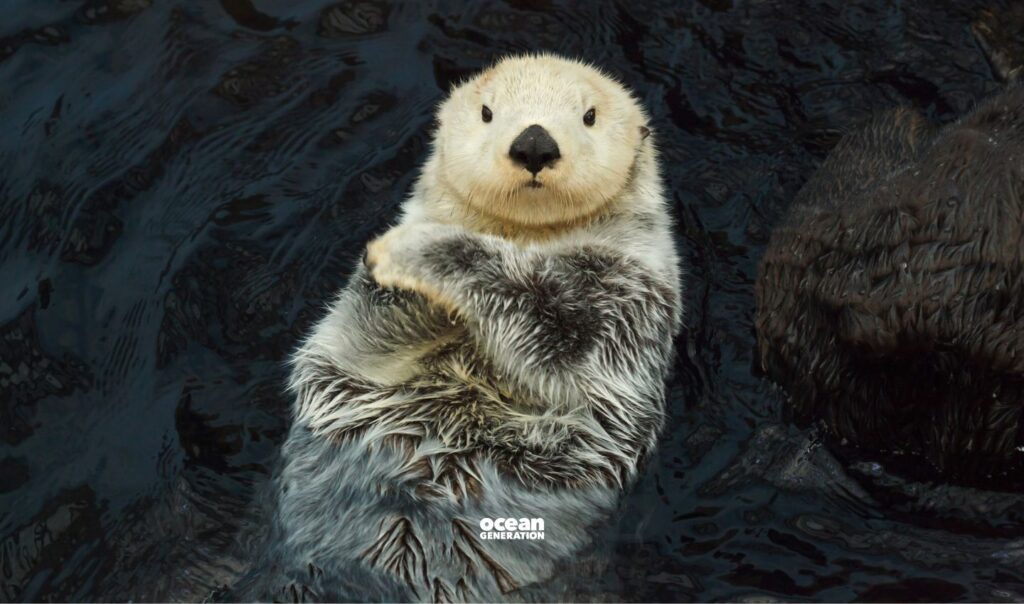
This theory pays attention to the complex dynamics of kelp forests, and the role that sea otters play as โ€˜keystone speciesโ€™: species that play a disproportionate role in managing the ecosystems they call home. As we explained in a recent article, sea ottersโ€™ appetite for sea urchins prevents overgrazed โ€˜urchin barrensโ€™ emerging – desolate stretches of rock with little to no vegetation – in the place of lush and biodiverse kelp forest. Do read this article if you want to learn more! 

Difference between an urchin barren and healthy seafloor. Posted by Ocean Generation.
Urchin barren photo by Ed Bierman, healthy seafloor photo by Zachary Randell

Whilst Stellerโ€™s sea cows were hunted on these expeditions, sea otters were the main pursuit. When the first groups returned with the fur pelts of sea otters, traders were so astonished at their thickness and quality that they sold for nearly 100 rubles a pelt – 25 times more than the equivalent pelt from land animals. Itโ€™s been said that they were, at some points, worth more than gold! In the wake of the euphoria that ensued, the sea otter population collapsed so quickly and dramatically that they were observed to be at the brink of extinction around the Commander Islands by 1753

Kelp forests create a complex habitat for a diversity of species, with one study in Norway suggesting that the average piece of kelp in their study site supported 8,000 individual organisms. If sea otters are lost to hunting, the kelp forests can be transformed into urchin barrens, as there are no otters to control sea urchin populations. As kelp is lost, the Stellerโ€™s sea cow loses their source of food, a change to their environment that might have ultimately resigned them to extinction.  

Sketch of a sea otter by Steller.
Sketch of a sea otter by Steller

Which theory about the extinction of Stellerโ€™s sea cow is it? 

Both theories are reasonable. Ecosystems are complex and difficult to understand completely, and it is probably a bit of both. As I have been reminded by one of the scientists who proposed the second theory, โ€˜the lack of good data from the extinction of sea cows means that we are unlikely to ever really know.โ€™  

Sea cows may be extinct, but this story is not irrelevant, and shouldnโ€™t be the cause of doom and gloom or eco-anxiety.  

As scientists have better understood the role of sea otters as a โ€˜keystone speciesโ€™ that maintain kelp forests, we have become more capable of putting conservation programmes in place that work. The recovery of sea otter populations in the Pacific is arguably one of the greatest success stories of conservation, bringing back both populations of sea otters and the coastal ecosystems they engineer such as kelp forests. At the moment, we can look to innovative projects such as the Monterey Bay Aquariumโ€™s surrogacy programme for hope, which raises orphaned pups so that they can be reintroduced back to the wild. (You can see them on the aquariumโ€™s live stream here!)  

We may have lost Stellerโ€™s sea cow, but we can still restore kelp forests for the countless other species that call it home. 

Steller had a sense for the value of sea otters, though he may have primarily seen them as creatures to hunt. He even wanted to bring some home as pets. โ€˜The sea otter,โ€™ he wrote, โ€˜deserves the greatest respect from us allโ€™. Although he couldnโ€™t have understood the complex work that they do as a โ€˜keystone speciesโ€™ as we do today, we can all wholeheartedly agree with him. 

Sea otters are guardians of kelp forests. Posted by Ocean Generation.

Cover image via Biodiversity Heritage Library

Narwhals and Unicorns: How the magic of the Arctic has changed

Subscribe

Monthly: Impact in your inbox.

OceanGeneration-Join

Facts about Vaquitas: The most endangered marine mammal

10 interesting facts about the vaquita: The most endangered marine mammal in the world, shared by Ocean Generation and Barry M. Illustration: Chris Clayton

How many of these facts about vaquitas do you know?

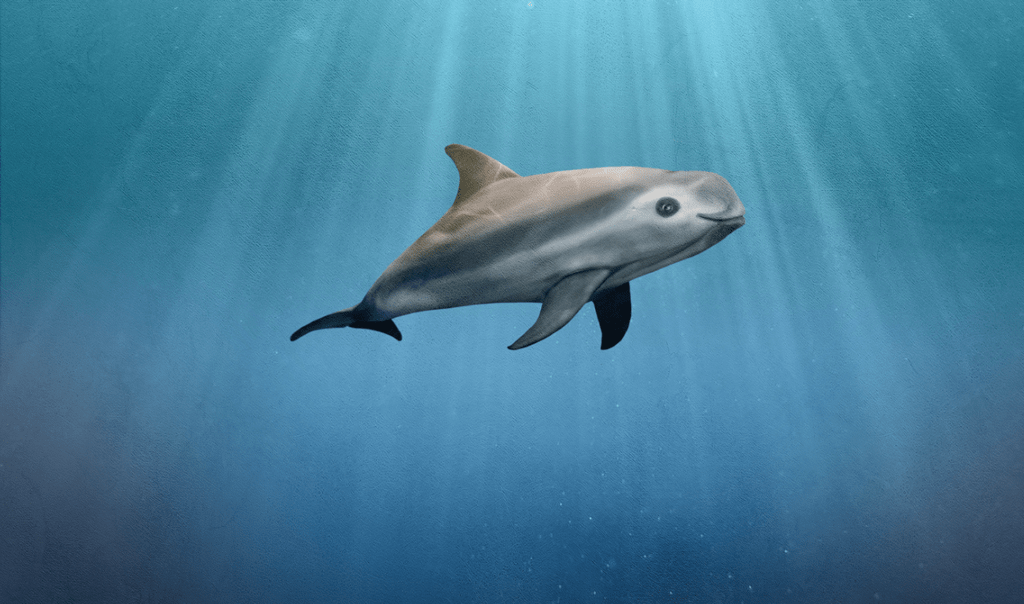
The vaquita (Phocoena sinus) is the smallest porpoise to call our Ocean home.

In 2023, the best-known estimate of vaquita populations is between 6 – 19, making them the most endangered marine mammal in the world.

1. When was the vaquita discovered? 1958.

The vaquita was was only discovered in 1958 – yet it’s already on the brink of extinction.

Scientists first described these little porpoises after coming across three skulls found in the Gulf of California, Mexico.

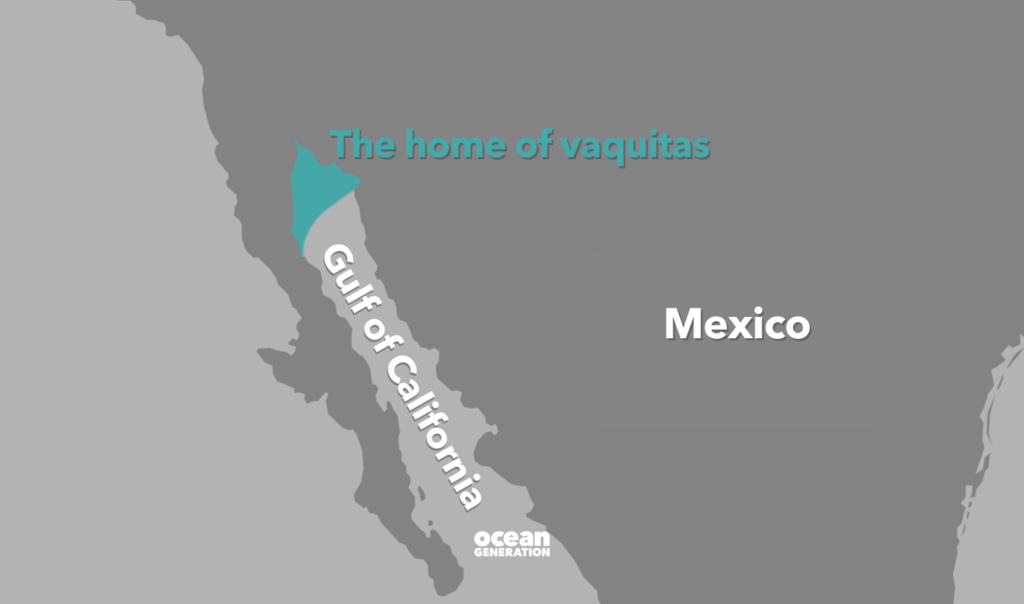
2. Vaquitas are endemic to the Gulf of California, Mexico.

Vaquitas display no migratory behaviour and have limited themselves to the Northern part of the Gulf of California, as depicted in the figure below.

Where are vaquitas found? Map showing the Gulf of California, Mexico and the very limited area, in the Northern part of the Gulf of California, where vaquitas live.

3. How big do vaquitas get?

They grow up to 1.5m long (5 feet). Vaquitas live in relatively shallow waters (<50m) and have been observed individually, in pairs, and small groups of up to 8-10 individuals.

4. No one really knew what vaquitas looked like until the late 1980s.

Locals, along the Gulf of California, didn’t know much about vaquitas before they were described, based on their skulls in 1958, but anecdotal evidence from locals include references to โ€œvaquitaโ€(meaning little cow), โ€œcochitoโ€(meaning little pig) and โ€œduendeโ€(meaning ghost or spirit).

There’s a chance that these names could have been referring to totally different species.
In the late 1980s though, external features of vaquitas started to be described.

5. So, what do vaquitas look like?

A dark ring around the eyes is the vaquitas most striking feature, along with a proportionally large dorsal fin. They’re unique among porpoises because they’re the only species of the porpoise family found in warm waters.

6. When did the vaquita become endangered?

In 1978, the IUCN red-listed the vaquita as โ€˜Vulnerable.โ€™ In 1990, vaquitas became โ€˜Endangeredโ€™ and, in 1996, โ€˜Critically Endangered.โ€™

7. Why are vaquitas endangered?

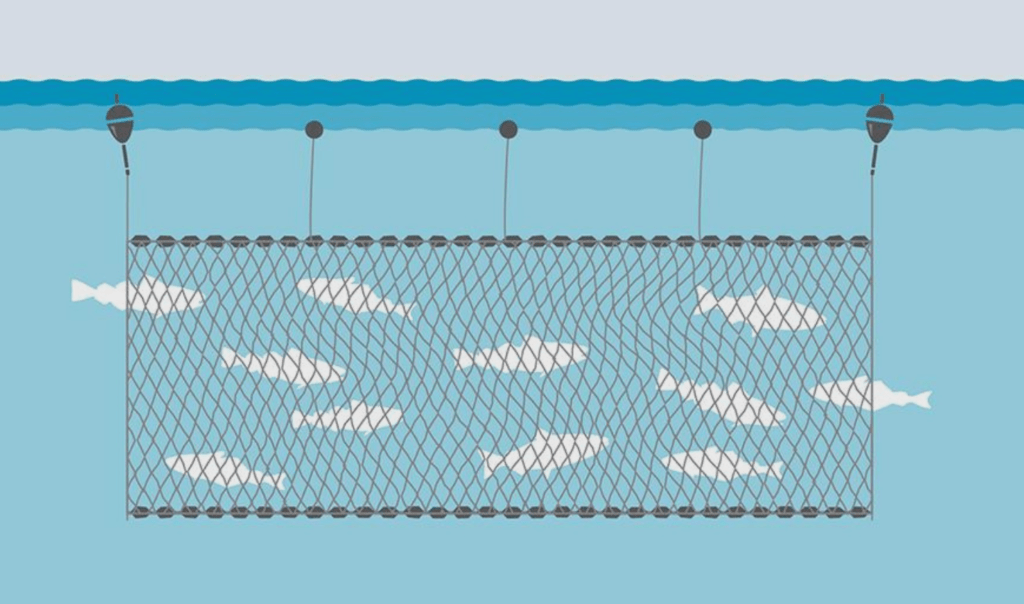
The main reason vaquitas are endangered is due to entanglement in gillnets with bycatch in legal and illegal fisheries for shrimp and finfish, and in the last decade, specifically for totoaba.

A gillnet is a wall or curtain of netting that hangs in the water.
A gillnet is a wall or curtain of netting that hangs in the water. Image source.

8. How many vaquitas are left?

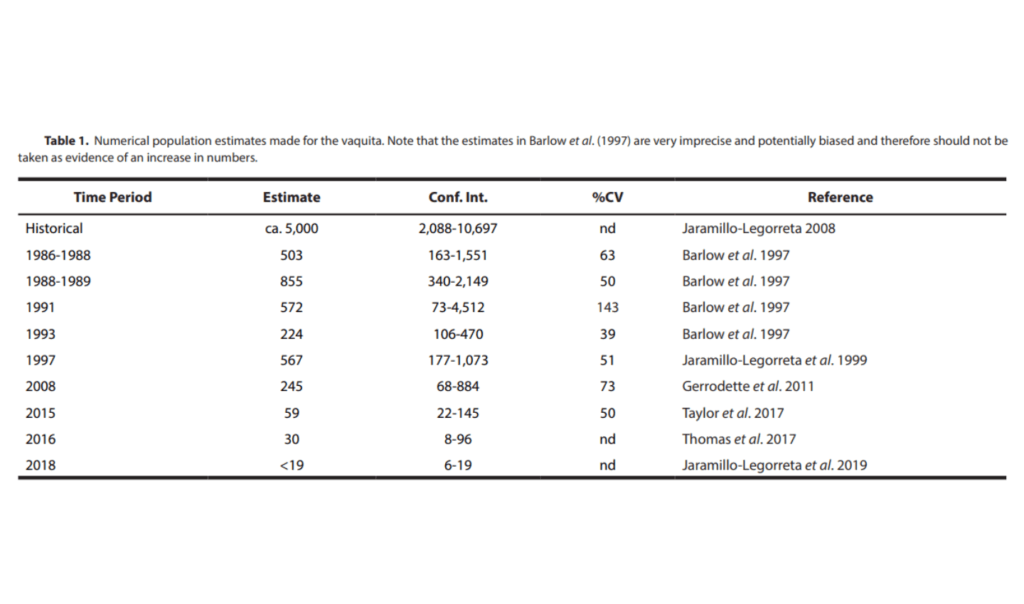
In 2007, there were an estimated 150 vaquitas in our Ocean but by 2018, that number had dropped to 19.

A table showing vaquita populations over time, from around 245 vaquitas in 2008 to less than 19 in 2019. There are less than 20 vaquitas in the world.
Vaquita population size over time [Extracted from  Wรผrsig B. et. al., 2021]

9. Is there hope for vaquita populations?

Conservation efforts for vaquitas are underway.

Gillnet fishing – has been banned – however, illegal fishing of totoaba (an endemic fish) continues. The totoaba is also critically endangered too so, the fate of the totoaba and vaquita are closely linked.

There is always hope.

Scientists suggested imminent vaquita extinction in the mid-2000โ€™s but as of 2023, there are still between 6-19 vaquitas alive.

One study on genetics found that due to low population size and low genetic diversity, if gillnet fishing was 100% stopped, there is only a 6% chance of extinction of vaquitas.

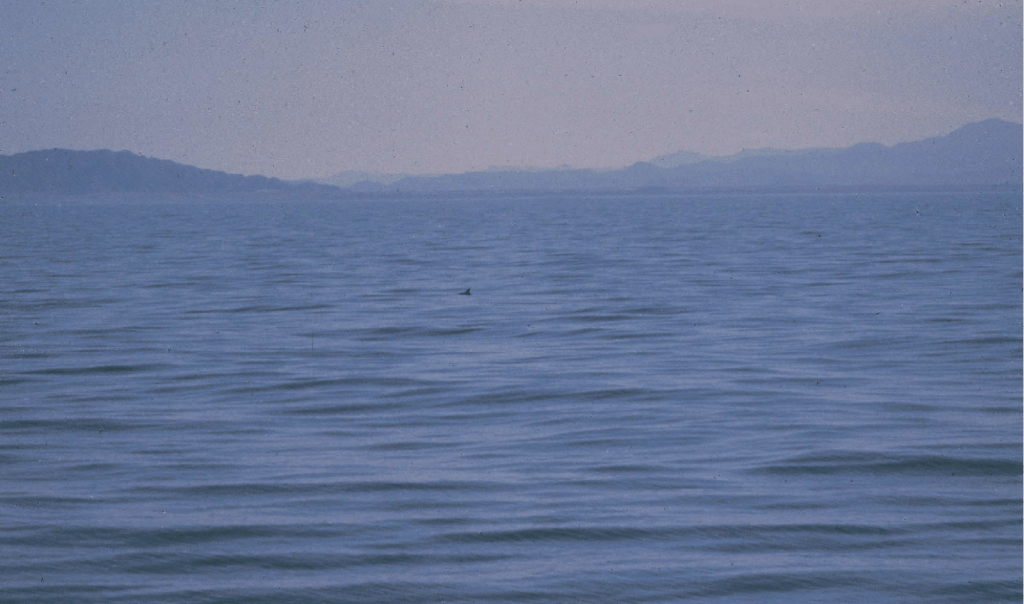
This is possibly the first photo published of a vaquita in nature, on a rather placid sea, taken on 10 March 1979. Photo by R.S. Wells, shared by Ocean Generation.
This is possibly the first photo published of a vaquita in nature, on a rather placid sea, taken on 10 March 1979. Photo by R.S. Wells. 

10. The vaquita can give birth annually.

And multiple newborns were sighted in 2019.


A note from Ocean Generation:
Your support may feel like a drop in the Ocean, but the Ocean would be less without that drop.

We’re known for translating complex Ocean science into engaging content and bringing the Ocean to young people across the world. As a charity, every donation is vital and will directly support our environmental youth programmes that drive social action to safeguard our Ocean.

Narwhals and Unicorns: How the magic of the Arctic has changed

Subscribe

Monthly: Impact in your inbox.

OceanGeneration-Join

Our Impact: Understanding the 5 Ocean Threats

The Ocean is a flourishing ecosystem that can maintain itself.

But our actions have been negatively impacting the Ocean for decades, at a rate our Ocean cannot keep up with.ย 

There was a time when we thought the Ocean was endless. So, we treated it that way: Taking what we wanted, when we wanted, in whatever quantity we liked.ย ย 

It took us far too long to realise the many ways we threaten our Ocean.ย But now we know better.

Our Ocean is one of our planet’s most valuable ecosystems.

The Oceanย provides over 50% of the world’s oxygen, captures 30% of human-made carbon emissions, and mitigates the climate crisis. The bottom line: We need a healthy Ocean for a healthy planet.ย 

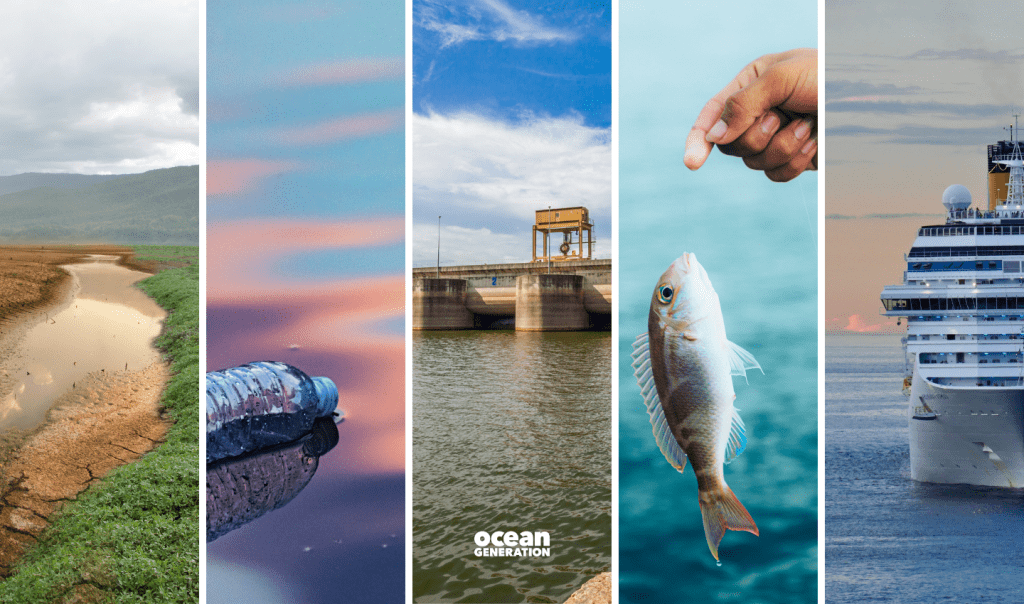
What are the 5 key ways human activity impacts the Ocean? Ocean Generation is sharing the human threats our Ocean faces. 5 images side by side represent the threats: a dry landscape for climate change; a plastic bottle in the Ocean for pollution; a dam wall for costal infrastructure; a caught fish for resource extraction; and a cruise ship for daily Ocean use.

How does human activity threaten the Ocean?

Our Impact work explores the 5 key ways human actions negatively impact the Ocean.

Many of the underlying actions causing these Ocean Threats have existed throughout the course of human history – but have become unsustainable more recently because of rapid population growth and the consequent scale of our impact on the marine environment.ย ย 

What human activity impacts the Ocean the worst?

There are no known, credible, scientific classification of the severity of these Ocean threats. What does that mean – simply? We can’t tell you which of the five threaten the Ocean the worst.

But there’s no doubt that all of these Ocean threats are inter-related and can combine to have vast negative impacts on Ocean health, marine habitats and marine life which, in turn, pose serious threats to human health.

What are the 5 human-made Ocean threats?

1. Climate change: We can’t talk about climate change without the Ocean

It’s widely accepted that human actions are the primary drivers of climate change. The biggest culprit? Burning fossil fuels (for example, coal, oil and gas) to produce energy is the main cause of climate change.

Signs of climate change are all around us – and impossible to ignore. But too few of us understand the important role our Ocean plays in mitigating the climate crisis.

How does the Ocean mitigate climate change?

Our Ocean plays a fundamental role in regulating global temperatures, storing massive amounts of carbon, and capturing heat from the atmosphere.

Although the Ocean drastically mitigates climate change, it’s also impacted by climate change. These changes (like increased Ocean heat), have negative consequences on Ocean health and thus, all of us.

2. Pollution: It’s not just plastic polluting our Ocean. 

Plastic is, by far, the mostย common and impacting pollutant in the Ocean.

80% of plastic in our Ocean comes from the land and most of that is made up ofย single-use plasticย items; products we use once, then throw away. And that’s the biggestย problem with plastic: there is no โ€œaway.โ€

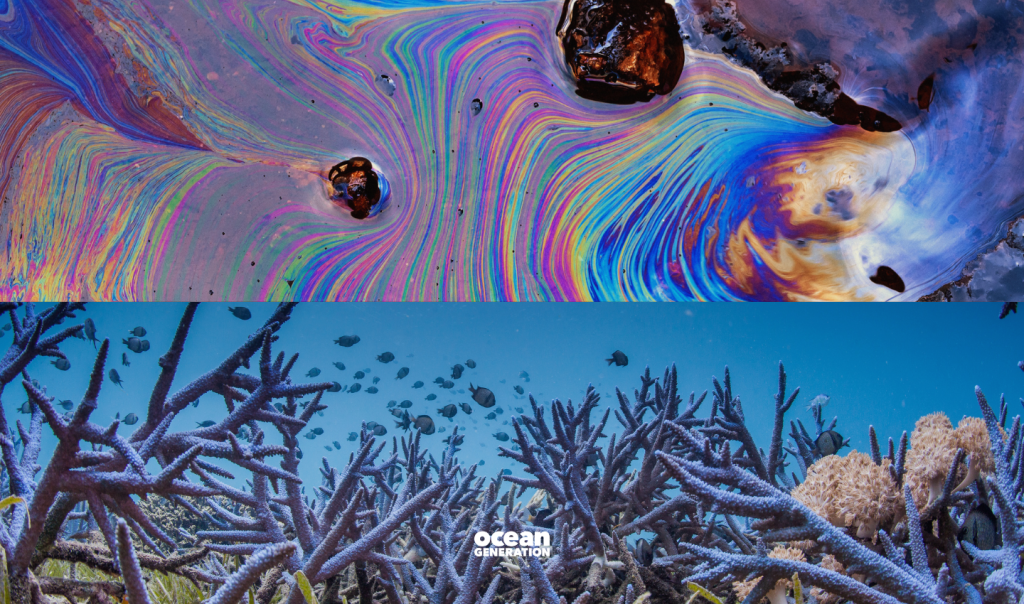
This Ocean Generation above and below image shows human impact on the Ocean in the top half of the image with an oil spill in the Ocean and in the bottom half, the flourishing Ocean. An array of fish are swimming among bright blue corals.

3. Coastal Infrastructure Development: Why do we need to protect our coastlines?


2.5 billion people live within 100km from our Ocean.

Coastal regions are densely populated areas with increasing rates of population growth (and who can blame them? Living near the Ocean has numerous benefits.)

But rapid urbanisation of our coastlines has negative impacts on the environment – many of which are linked to climate change.

With higher frequencies of natural weather events (like cyclones and hurricanes), erosion and land loss, and flooding, coastal regions have never been this vulnerable.

4. Resource Extraction: What resources do we extract from the Ocean? 

Around 3 billion people rely on the Ocean for their primary source of protein: Seafood.

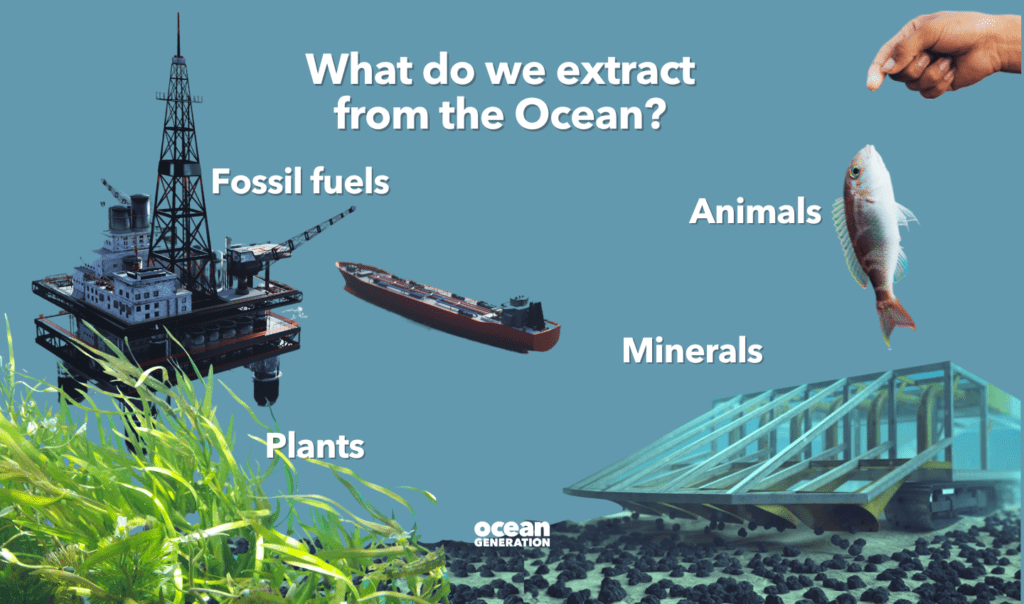
Seafood is the mostย notable thing weย extract from the Ocean but it’s not the only thing. We also extract minerals, fossil fuels, and plants from the Ocean.

Our Ocean – as incredible as it is – is not limitless.

We must recognise the limits of Ocean resources and control the quantity and frequency at which we extract resources from the Ocean; allowing it time to replenish and regenerate.ย Otherwise, we will reach a point of no return.

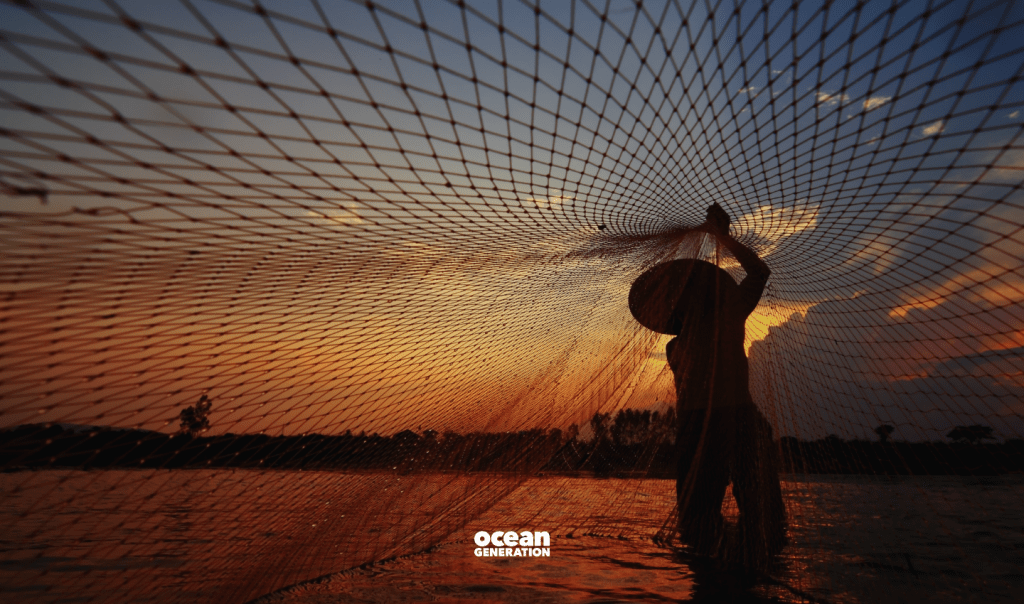
A fisherman, standing knee deep in the Ocean, is holding up a fishing net. It is sunset and only the outline of the fisherman and his hat can be seen against the yellow sky. In this blog, Ocean Generation is sharing the negative impact of resource extraction on the Ocean.

5. Daily Ocean Use: What’s the impact of daily human actions on the Ocean?

Humans work hard and always have something on the go. The Ocean is no different.

All around the world,ย our Ocean is in use every day. From cargo shipping for trade, passenger traffic for travel to commercial fishing and research – the Ocean is used widely. How we make use of the Ocean is what’s important.

We need to turn to using the Ocean sustainably to protect the awe-inspiring ecosystem that supports all life on Earth.ย 

What can I do to protect our blue planet?

Understanding the 5 main threats our Ocean faces is step one. Step two is doing something about them. Some of these Ocean Threats can feel overwhelming – but they don’t have to be.

Working together is humanity’s superpower. And it remains our best tool for solving the worldโ€™s biggest problems, and simultaneously, restoring our Ocean.

Three ways you can take environmental action – with a focus on the Ocean – right now:

  1. Subscribe to our newsletter to receive monthly impact in your inbox; explore our Science Hub; or visit our Instagram page for bite-size environmental education.

  2. Recognise that you don’t have to be perfect.

    Ask yourself: What can I do right now to decrease my carbon footprint? What can I do to be a voice for our Ocean and empower others to do the same?

  3. 20 actions to reduce and reuse plastic.

Subscribe for simple Ocean Science and pop-culture stories

* indicates required

View previous campaigns.

Ocean Generation will use the information provided here to be in touch with updates and marketing.

You can unsubscribe at any time.

Narwhals and Unicorns: How the magic of the Arctic has changed

Subscribe

Monthly: Impact in your inbox.

OceanGeneration-Join

Our Impact: What resources do we extract from the Ocean?

This is part of our Four Pillars work that highlights the importance of the Ocean, the human-made threats it faces, and the solutions our Ocean provides.

Humans have been travelling across the Ocean for many millennia, with fishing being an important ancient practice.

Along with capturing food from the sea, we slowly recognised the Ocean as a valuable source for much more.

What are the impacts of extracting seafood from the Ocean?

Fast forward to present day, we now eat almost twice as much seafood, compared to 50 years ago. 

Offshore oil extraction has not been kind to marine life, with disruptions in the form of noise pollution, habitat destruction, and oil spills. And the Ocean is being glorified as a new frontier for mineral extraction from the seabed.

Weโ€™ve benefitted from a great deal of things weโ€™ve extracted from the Ocean. But do we ever give back and allow the Ocean to replenish?

Do we assess the risks before we extract? Letโ€™s take a closer look into some of the resources we want and how removing them impacts our Ocean.

What resources do we extract from the Ocean? Fossil fuels, animals, minerals and plants are all extracted from the Ocean for human use. Ocean Generation is breaking down what the impact of Oceanic resource extraction is.

How much do humans rely on the Ocean for food?

Animal protein from the Ocean provides around 17% of all animal protein consumed. The food we obtain from the Ocean and other water bodies are inextricably linked to many cultural identities.

From national dishes (Example: Senegal (Ceebu jรซn)) to fishing traditions (Example: in Finland), many coastal communities around the world uphold seafood as a pillar of cultural identity, livelihoods, food security, tradition and connection to the Ocean.

Global seafood production is on the rise

With global production of seafood quadrupling over the last 50 years, it is no surprise that wild catching has become unsustainable and cannot keep up with global demand.

Enter, aquaculture: A process where seafood is farmed, by corporations and farmers alike. There are many variations of aquaculture, depending on the location and type of organism being cultivated.

Is aquaculture the sustainable solution weโ€™ve been looking for?

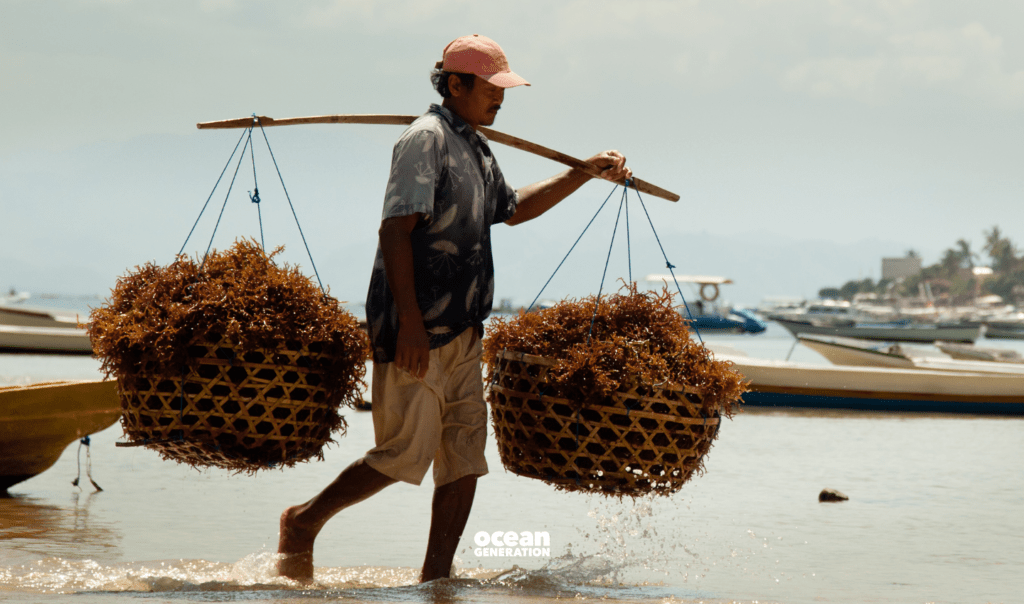
This booming method overtook seafood production from conventional fisheries by 12.26 million tonnes in 2015. It is important to note that aquaculture includes aquatic plants like seaweed as well.

Seaweed farmer walking along the shoreline with two big bundles of seaweed. Ocean Generation is sharing the impact of resource extraction on the Ocean.

Aquaculture has been touted for its high yields and added nutritional value, but sustainable production requires:

– careful consideration of the surrounding environment, so as to not burden wild species and damage coastal blue carbon ecosystems,

– sustainable supply of aquafeed, i.e., food for the cultured organisms, and

– adequate disease control among the cultivated populations.

Aquaculture supports the livelihood of over 540 million people (in 2014) with 19% being women.

To ensure a stable income and a stable Ocean, there is a need for better guidelines for operational safety and management to ensure healthy fish stocks.

However, food from the Ocean isnโ€™t the only thing we extractโ€ฆ

What resources do we extract from the Ocean?

Drill baby, drill

From the dawn of time, humans have sparked revolutionary leaps through different forms of energy.
Although fire was a major leap in evolutionary standards, we exceeded our capabilities when we realised we could use ancient organic matter as fuel.

The oil and natural gas we extract powers our homes, our cars, manufactures plastic, and much more. Even their by-products are used, for example, tar to build roads.

But the relentless extraction of fossil fuels comes with a hefty price tag. Itโ€™s at the cost of our planet – including our Ocean.

How offshore oil and gas extraction effects the Ocean:

– Exploration: Exploring to identify location and size of reserves disrupts sound, harming marine life, small or big. However, nowadays, evolved techniques have drastically minimised their impact.

– Operational: Processes like drilling disrupt the Ocean floor, pollutes the environment (waste, noise) and also increases biodiversity loss.

– Large release of greenhouse gases, heavily contributing to climate change.

A common image that comes to mind when grasping pollution in this context is this: An animal drenched in oil.

Oil spills are a vicious consequence, not always caused by the process of extraction. In fact, the National Research Council estimates the origin as follows:

– 46% naturally seeping into the Ocean
– 37% discharged from operational processes in sea, and land-based sources
– 12% accidental spills from ships, and
– 3% extraction processes

Although the single largest source of oil pollution is natural, ecosystems have adapted to these natural stresses.

However, that is not the case when we spill oil. To tackle human-induced oil spills, progress has been made to better monitor spills and identify affected areas.

Overall, the reduction in fossil fuel extraction and its use will be beneficial to all life on Earth.

The fossil fuel industry has also provided strong learnings for the budding marine renewables industry (MRE).

How the Ocean supports the medical industry:

Did you know that plants and animals from the Ocean have been used to develop medicines for humans?

The Oceanโ€™s incredible biodiversity has become a new frontier for discovering drugs to alleviate many health conditions.

We take antibiotics for many types of bacterial infections, but in recent years, antibiotics have been overused to the point of ineffectiveness, i.e., it has stopped working when attempting to treat serious conditions.

This resistance has pushed scientists to seek out new solutions. Scientists at NOAA have isolated a chemical compound from microorganisms found on sponges and corals that can be used as a helper drug to make antibiotics effective again, under certain circumstances.

Not all innovations are for medicinal purposes. Food supplements like omega 3, macroalgae (like seaweed) for biofuels and beauty products are all examples of ways in which the Ocean provides for us.

Seafood, minerals and fossil fuels. Is this everything the Ocean has to offer? Not even close! We haven’t even touched on technology, or makeup.

Are we including the health of the Ocean in this conversation? Not nearly enough. Letโ€™s take a final look into something new and potentially disastrous…

New โ€œsolution,โ€ same olโ€™ motives

Innovative solutions can lead to incredible human advancements – but it shouldnโ€™t be at the cost of stripping the Ocean seabed.

Our technological revolution has come with a hefty price tag. The price of:

– mineral mining (conflict minerals, slavery, and generally poor working conditions),
– overconsumption (of electronics), and
– huge swathes of electronic waste.

This has resulted in extractive industries looking for new areas to source minerals, specifically, the Ocean.

Where do most minerals we need reside in the Ocean?

The deep sea.

Deep-sea mining is the process of extracting mineral deposits from the seabed. The Ocean is rich in minerals not only required for electronics like the laptop or phone you are reading this blog on, but also for batteries and scaling low-carbon renewable technologies like wind turbines and solar panels.

However, there is growing concern on whether this is a good idea or if we can extract these minerals safely.

We know scarily little about the environmental consequences of stripping the Ocean seabed, but it is clear that this is likely to cause severe disruptions to marine life, deep-sea ecosystems, and global climate regulation.

This complication is further fuelled by questions on economic viability and social acceptance. Despite approval licenses for some exploratory projects, deep-sea mining must not be commercialised without sufficient understanding of the consequences mentioned above.

What can I do about resource extraction in the Ocean?

We rely on the Ocean for so much more than weโ€™ll ever realise. From our breath to our food to our health, we need the Ocean to thrive and there are ways in which we can help restore it.

On Seafood

To combat overfishing, we must generally consume less seafood to sustain fish stocks healthily. It is also wise to use your national food directories to understand what types of creatures are endangered to best avoid eating so that we can reduce the pressure on those populations.

This in combination with the environmental impacts of specific species can be a useful way to mitigate individual impacts. Letโ€™s not forget to support local fishing communities!

On Minerals

Planned obsolescence is a conscious strategy for companies to artificially limit the life of a product. There is no better example of observing this than electronics:

Some of us grew up in households with washing machines and blenders that are older than us, just because it still functions! But nowadays, smartphones are replaced every few years, with some behaviour associated with trendsetting, something that we see in fast fashion.

This, among so many other reasons, is why we produce roughly 50 million tonnes of electronic and electrical waste per year. Unfortunately, formal recycling of these products is limited to 20%.

For further understanding the concept of planned obsolescence, watch the below video. As a solution, we must vouch for the Right to Repair the products we buy, rather than rely on the promises of recycling.

Even with that being said, we must push for better recycling of e-waste, as the precious metals we discard are in limited supply. To put this into perspective, there is 100 times more gold in a tonne of e-waste than in a tonne of gold ore.

YouTube player

We cannot allow the Ocean to be a kind of scapegoat and maintain the false persona of endlessness.

There is only one Ocean and we must protect it because our life depends on it.

Narwhals and Unicorns: How the magic of the Arctic has changed

Subscribe

Monthly: Impact in your inbox.

OceanGeneration-Join