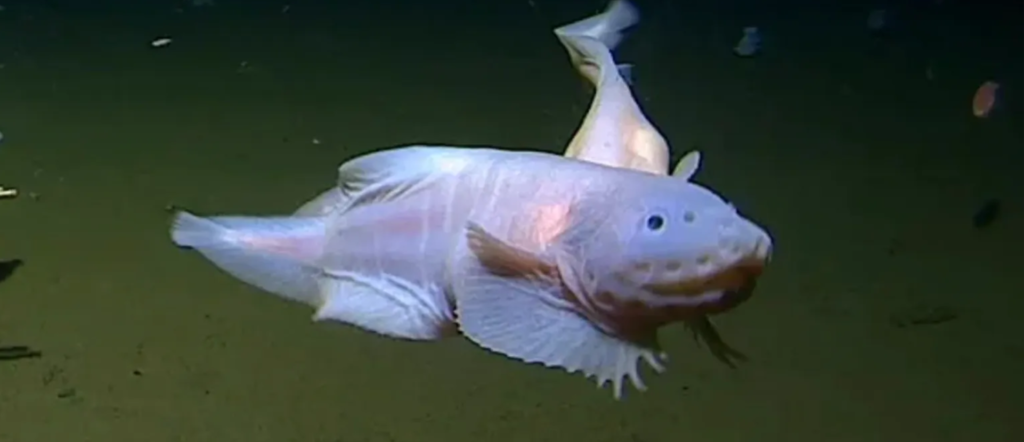
What is the deepest living fish?
From whales to snailfish and giant amphipods, learn how deep Ocean animals can live and what limits life in the deep sea.


Making Ocean science understandable is what we’re known for. Discover Ocean ecosystems and marine life through our science-backed articles.
From whales to snailfish and giant amphipods, learn how deep Ocean animals can live and what limits life in the deep sea.
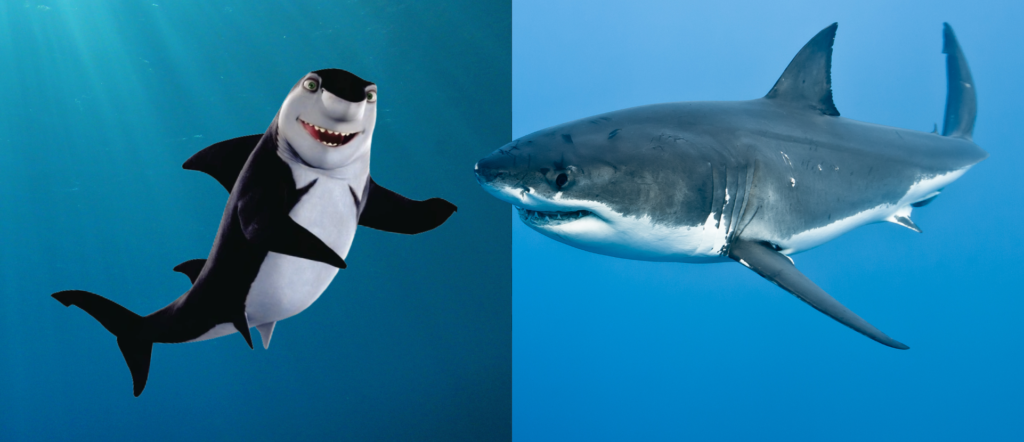
From shark mobs to coral reefs and whale washes, learn which Ocean facts the film Shark Tale got right, what missed the mark, and why.
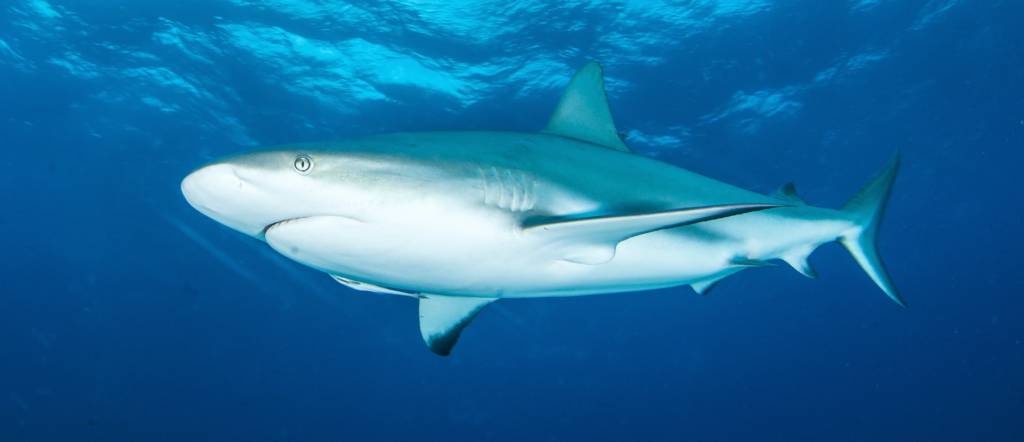
Learn about seven incredible shark species, from pyjama sharks to Greenland sharks, and find out which shark best matches your personality.
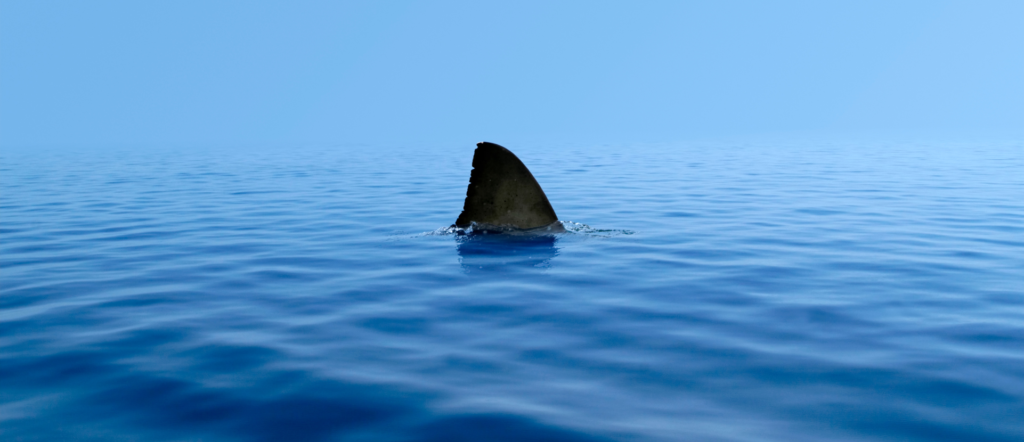
Meet the megamouth shark: the giant filter-feeding shark discovered in 1976. Learn about its size, diet, migration and whether other Ocean giants could still be hiding in the deep.
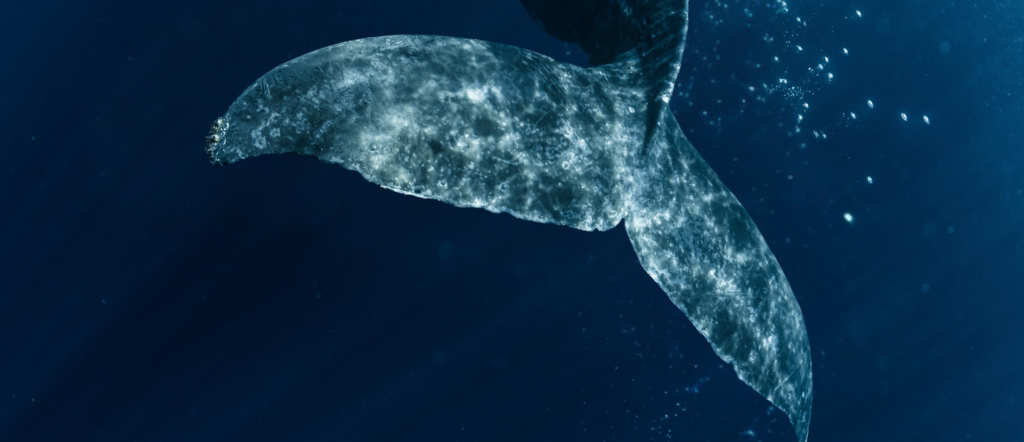
Meet 52Hz, the whale with a unique song. Read about the science, mystery and truth behind the “loneliest whale in the world".
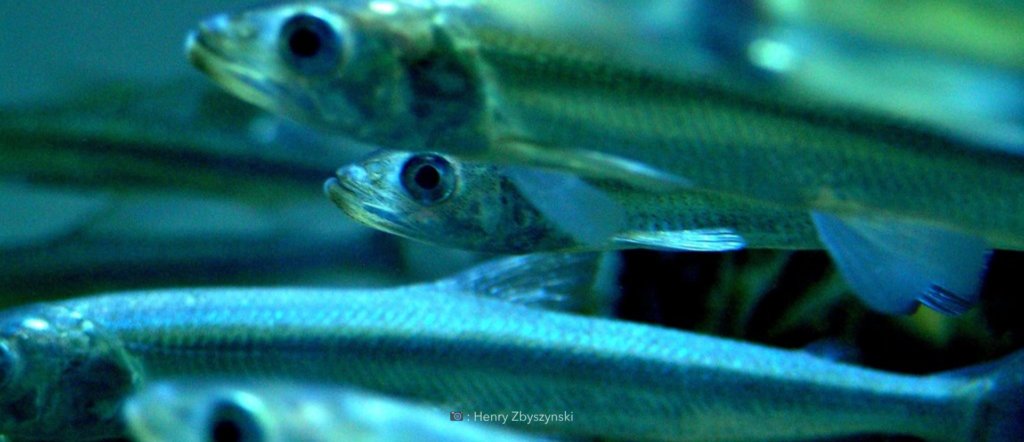
How did herring nearly start World War 3? Read about a Cold War mystery of submarines, hydrophones and noisy fish.
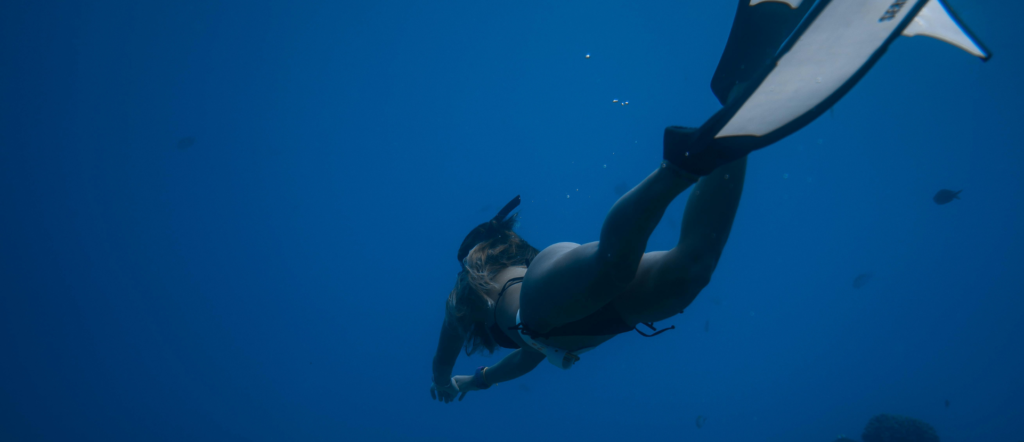
How old is the Ocean? Learn about its oldest animals, fossils, ice, crust, and water across billions of years.
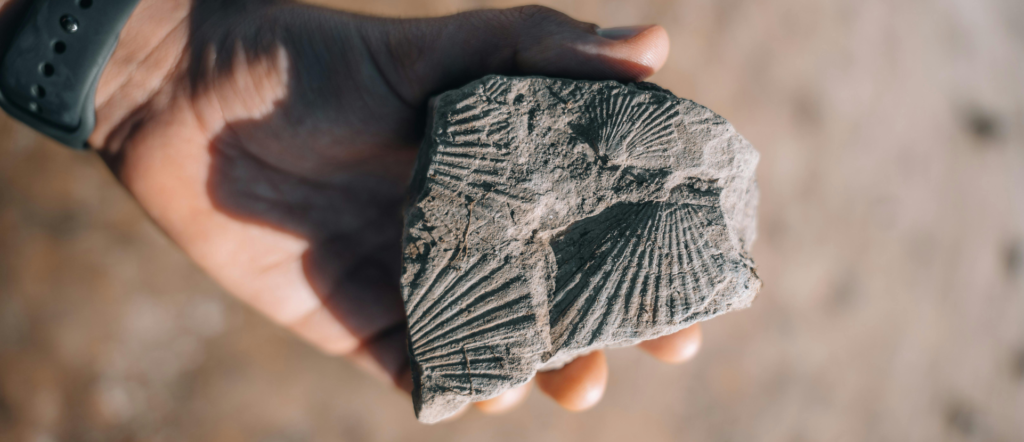
What happened to Ocean life after the dinosaurs died? Learn how darkness, algae loss, and food web collapse reshaped marine ecosystems.
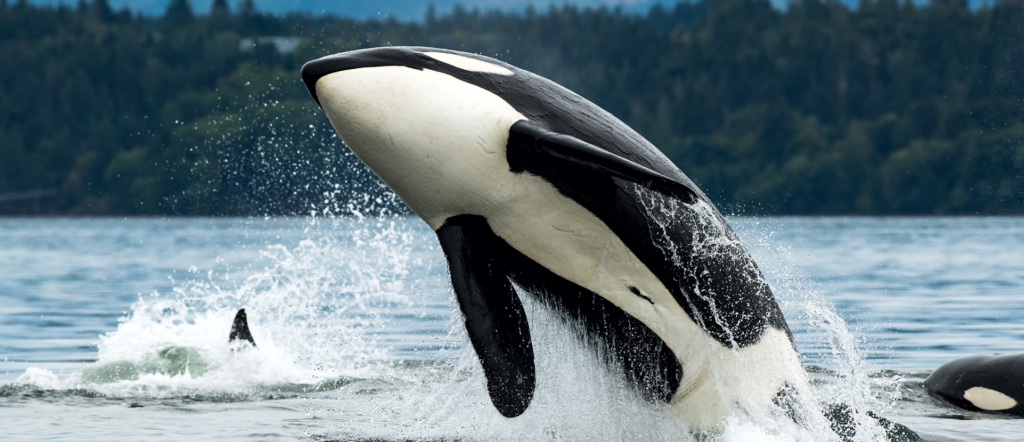
Learn fun facts about orca (killer whales), from diets and habitats to habitats and fascinating behaviours.
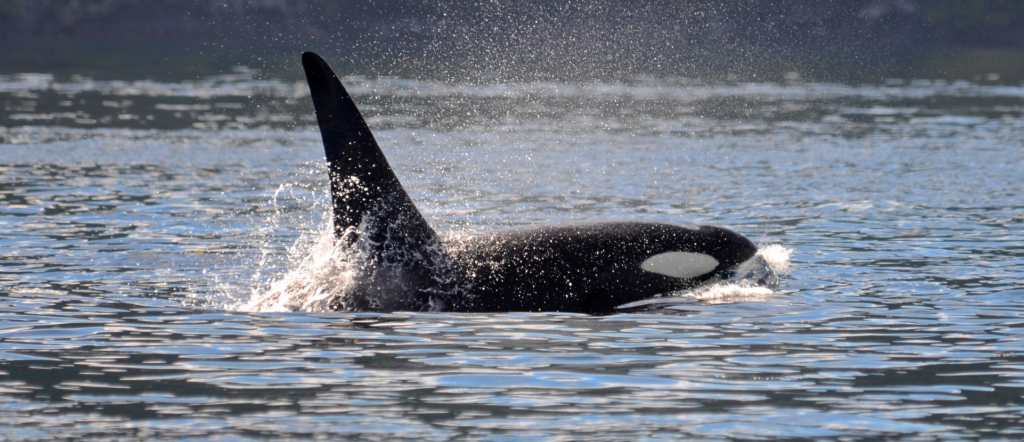
Why are orca sinking boats? From revenge to playful behaviour, we're exploring the science behind Iberian orcas’ interactions with boats.
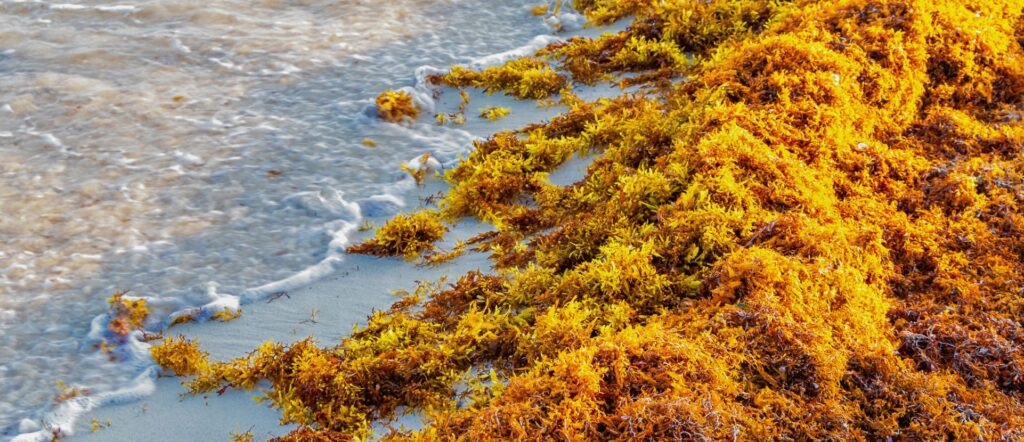
Algae power every second breath - but when they bloom, they can cause harm. Learn about their role in ecosystems, climate, and Ocean health.
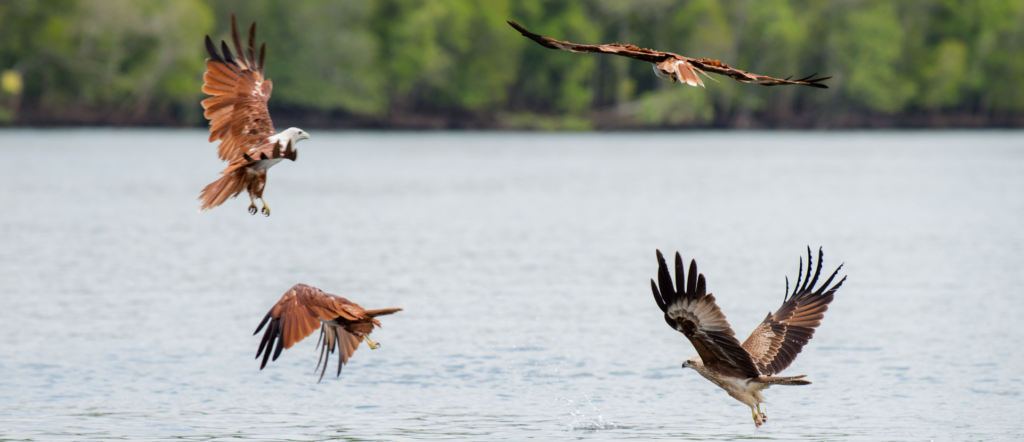
Learn about the hidden impact of tourism feeding on Langkawi’s eagles and the mangrove ecosystems they call home. A Wavemaker Story.