
- Science: Explained
Who are the orca outlaws sinking boats, and why are they?
Why are orca sinking boats?
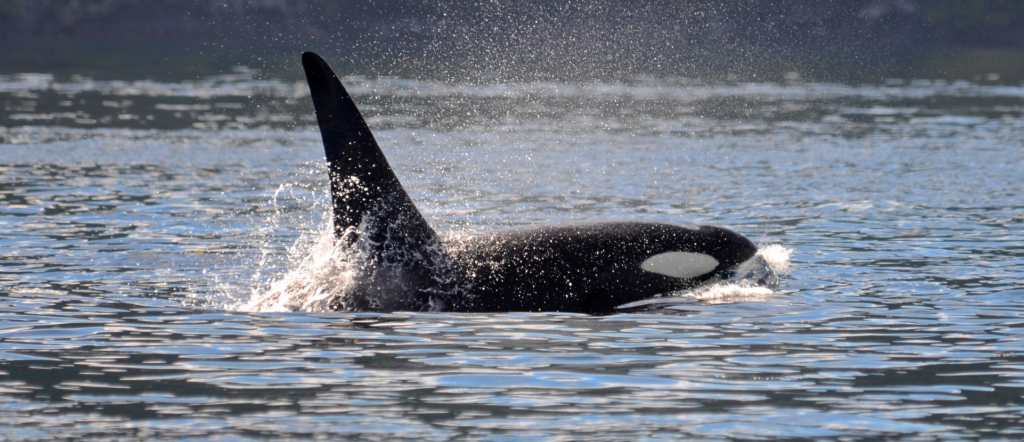
Revenge, anti-capitalist revolution, competition, territoriality, a ‘tide-pod’ challenge-esque fad, curiosity – all suggestions to answer one question: why are orca sinking boats?
Much changed in the world in 2020. We all stayed home, made banana bread and, in the UK, attended Joe Wicks workout classes. There was a change in the Ocean in 2020 too: orca began bumping boats.
Now, almost six years on, 8 boats have sunk and over 250 have been damaged. Looking at the data from these interactions, and through knowing these orca, can we piece together why they might have started down this road of vessel vandalism?
What are orca?
Orca (Orcinus orca) are the apex marine predator. They are found throughout the Ocean, from Antarctica to Norway, Argentina to New Zealand to South Africa.
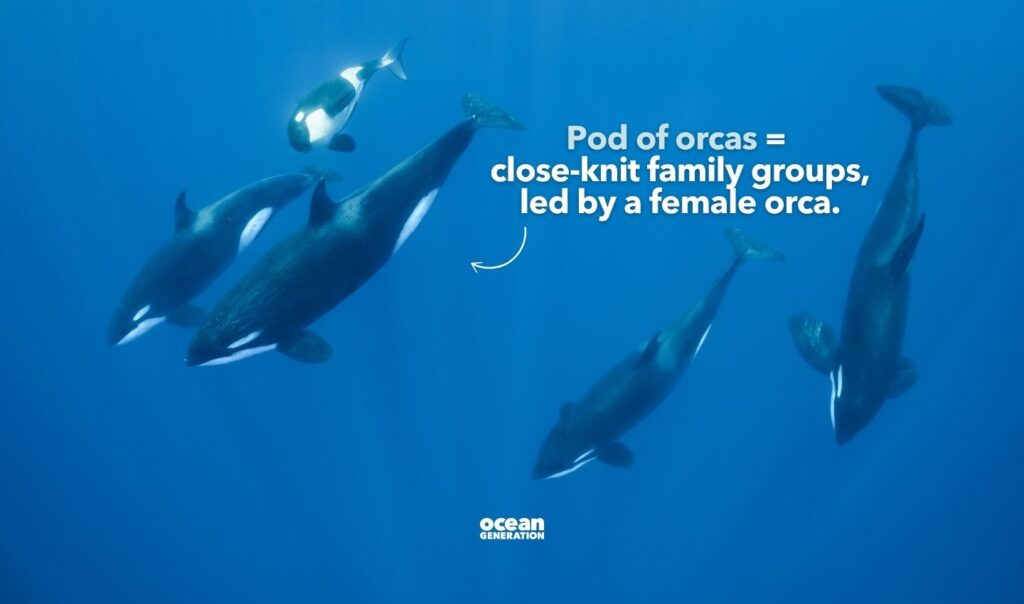
Orca are highly social and highly intelligent, living in large family groups usually led by a matriarch – an older female. They are capable of advanced communication and coordination, executing intricate, risky and ingenious hunting strategies. Orca are incredible.
They have been recorded hunting whale sharks, white sharks, walrus, and whales (hence their nickname, killer whales). Scientists don’t believe they are particularly affronted by species beginning with W.
When orca hunt, they can create waves to wash seals off ice (or smash the ice they are on) and intentionally strand themselves on beaches to catch sea lions in the shallows. Orca also upend white sharks to paralyse them in tonic immobility (a trance-like paralysis some sharks enter when upside down).
Who are the orca that sink boats?
The Iberian orcas are a small population of orca that reside in the western Atlantic from Gibraltar up to the Bay of Biscay. The ‘small’ is a double entendre. They are among the smallest orca on the planet, with females reaching up to a mere 5.8m and males only 6.5m. They are also small in number: the International Union for Conservation of Nature (IUCN) classify this population as critically endangered, with the population estimated to number only up to 50.
Between 1999 and 2011, 47 individuals from 5 different pods were photo-identified and a further 16 in the Canary Islands, which are genetically distinct (they aren’t family) from the Iberian orca. After accounting for deaths, the Iberian population was 33 in 2012.
In 2023, the number had grown to a relatively stable 37.
Of this orca population, 15 individuals have been identified as boat-bumpers from witness accounts, photos and videos. These sailing saboteurs are then given the moniker “Gladis” – derived from gladiator, or fighter.
The Gladises are in two main pods, each led by an older matriarch. Gladis Lamari is estimated to have been born in 1992 and Gladis Herbille in 1993. Neither of them have directly interacted with boats: they are Gladises as they have been observed close by during boat interactions. They seem content to sit back and watch the younger ones.
What do the Iberian orca eat?
From April to June, the Iberian orcas gather in the shallower waters of the Gulf of Cadiz and the northwestern strait of Gibraltar. Why? Because it is the start of the spawning migration into the Mediterranean of their primary food source: Atlantic bluefin tuna.
In July the orcas shift to the central Strait of Gibraltar as the tuna begin to return to the Atlantic and follow them up the coast of Portugal into September and October.
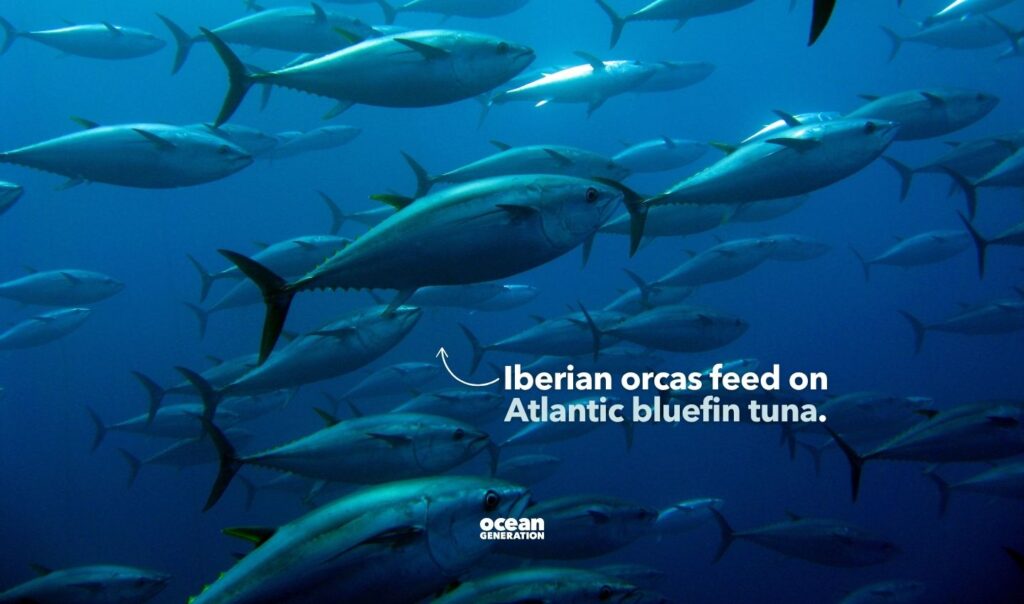
How do we know the orcas are eating tuna?
By using crossbows, mass spectrometers and following the principle “you are what you eat”. A skin sample was collected from biopsy darts, fired from a modernised version of the ancient weapon. To reiterate: a marine biologist, armed with a crossbow, gets a bit of skin and can work out what the orca are eating.
To assess the diet, the orca skin is analysed for the ratios of carbon and nitrogen isotopes.
Isotopes are atoms of the same element with different masses, due to different numbers of neutrons.
Carbon isotopes indicate where an animal feeds, while nitrogen indicates the trophic level (higher trophic level means higher up the food chain – a predator that eats predators, like orca, have a high trophic level).
In short, the fish an animal eats leave different ‘signatures’ that we can read, telling us what and where our orca are eating.
The Iberian orca showed carbon and nitrogen values reflecting a diet of Atlantic bluefin tuna, with one exception. The female (named Vega) had higher ratios of heavier carbon, showing she was eating more coastal fish species – everyone has their preferences.
Have orca previously sunk boats?
The history between the Iberian orca and humans is a long one. The great Roman author Pliny the Elder reported the presence of orca in AD77. The catch of local fishers was said to increase when the orca were around, and even that fishers would wait for the killer whales to herd the tuna towards shore to help them.
More recently, the tables have turned. Now it is the orca using the fishers for an easier meal, taking tuna caught on fishing lines as they are hauled in. Unfortunately, this is a dangerous strategy, and orca have been seen with deep wounds and amputations, likely from interacting with fisheries.
But before 2020, we have very few instances of orca sinking boats.
In 1820, a whaling vessel, the Essex, was sunk by a sperm whale in the Pacific. In the aftermath, the crew reported orca attempting to sink one of the small boats they had escaped the Essex in.
There were two boat sinkings in the 1970s attributed to orca: in 1972 a 43 ft sailing boat in the Pacific, near the Galapagos, was sunk by a pod of orca. In 1976 another sunk off the coast of Brazil. A juvenile male orca, L98 or Luna, had a long running period of interacting with human things from 2001-2006.
Luna was separated from his pod when he was just 2 years old. He spent five years around Vancouver Island where he would interact with floatplanes and boats, causing damage to the craft and occasionally hurting himself. Sadly, Luna was killed in March 2006 by a tugboat.
How many boats have orca sunk?
Some social media posts have claimed over 1,000 boats, but as of March 2026, 8 vessels have been sunk.
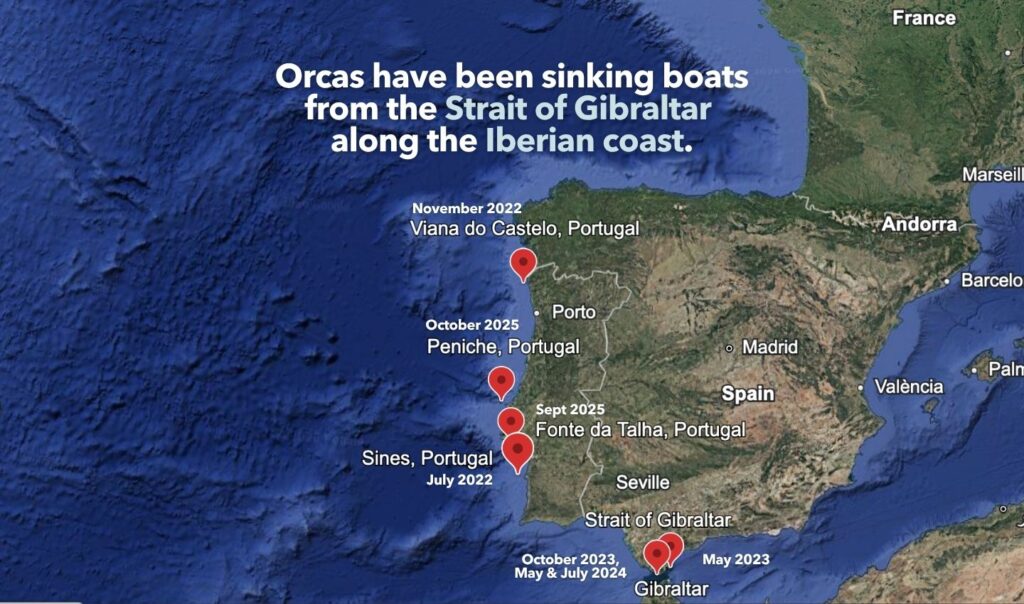
- 31 July 2022 – unnamed sailing vessel sinks offshore from Sines, Portugal
- 1 November 2022 – The Smousse, a 39ft sailing yacht, sunk off Viana do Castelo, Portugal
- 4 May 2023 – Alboran Champagne, 50ft sailing yacht, sunk off Gibraltar
- 31 October 2023 – Grazie Mamma, a 46ft sailing yacht, sinks in Strait of Gibraltar
- 12 May 2024 – Alboran Cognac, a 49ft sailing yacht, sinks in Strait of Gibraltar. From the same charter company as Champagne
- 26 July 2024 – Bonhomie William, a 39ft sailing yacht, sinks in the Strait of Gibraltar
- 13 Sept 2025 – Oceanview a 36ft sailing yacht, sinks off Fonte da Talha
- 10 October 2025 – Ti’fare, a 36ft sailing yacht, sunk off Peniche, Portugal
It is important to underline, everyone sailing on these boats was rescued safely. There have been no injuries or deaths from the orcas, or aggression shown towards humans.
How many boats have orcas interacted with?
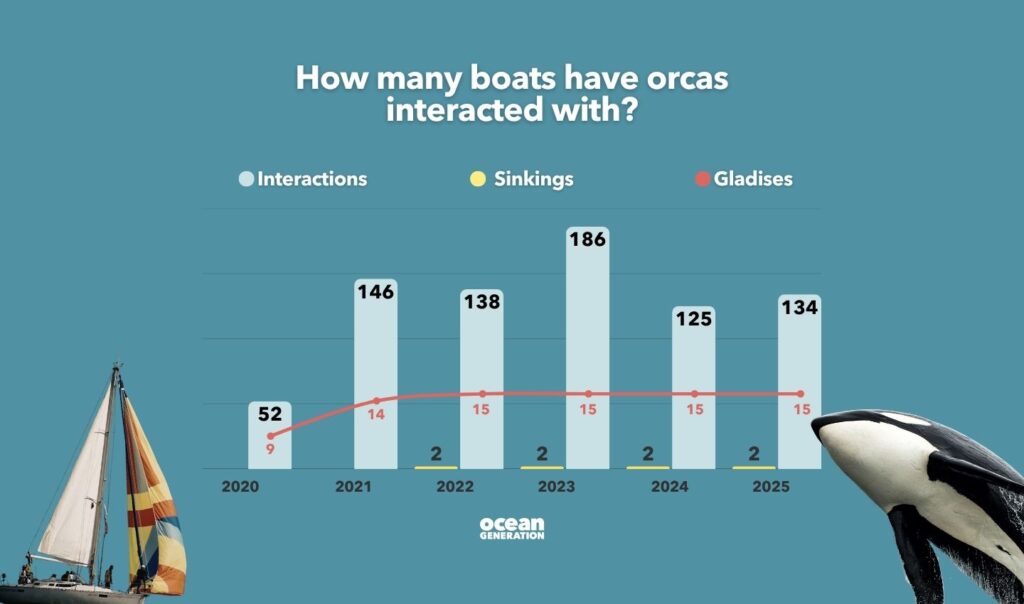
Using the last published data from November 2025, there have been 761 interactions between the Gladises (the nickname for orca seen around boats) and boats around the Iberian Peninsula.
The numbers recorded are from the Cruising Association, a sailing group that have encouraged reporting of incidents, which they verify in their network. These numbers are an underestimate, as not every interaction is reported, especially minor ones.
25 May 2020 – the first interaction between two unidentified orcas and a rigid-hulled inflatable boat in the Strait of Gibraltar, no damage recorded.
20 July 2020 – first recorded ‘disruptive’ interaction. Following 9 days saw five more incidents, all south of the cape of Trafalgar, just north of the strait of Gibraltar.
July-November 2020 – 52 interactions, 49 confirmed physical contact. 9 Gladises by the end of the year.
2022 – 138 interactions, 2 sinkings. Number of Gladises rises to 15.
2023 – 186 interactions, 2 sinkings.
2024 – 125
What boats are orcas bumping?
The average length of vessel is 12m, or 39ft. Around 80% of the vessels involved are sailing boats. Of those sailing boats, most have a particular type of rudder– a spade rudder.
What are the theories for orca interacting with boats?
Are orca out for revenge?
A commonly given reason for why orca are sinking boats is that of revenge. The narrative is compelling: an orca, injured by a passing boat, calling her kin to arms to meet the threat of humanity. A response from a beleaguered and besieged marine world.
This theory has largely come about because of an orca named White Gladis.
Who is White Gladis (Blanca)?
White Gladis, translates from her Spanish name, Gladis Blanca. Born in 2005, Blanca is the mother of Gladis Filabres, Gladis Dalila and Gladis Clara. She is herself the daughter of Gladis Lamari, who has been present during interactions but never actively touched a vessel.
As a reminder: Gladis is a simple designation given to any orca involved in nefarious nautical activity. It has its origins in an early name for orca – Orcinus gladiator, meaning whale fighter – and the term gladis means fighter.
The theory is that Blanca had the marks of a propeller and was teaching her kin to destroy the thing that hurt her.
Is White Gladis (Blanca) looking for revenge?
Blanca was certainly one of the early proponents of this behaviour. The first interactions in July 2020 were Blanca, her half-sister Gladis Dalila and an orca from another pod, Gladis Negra.
Orca mothers and grandmothers are key figures in orca society – they are one of the few animals other than humans that are known to go through menopause in the wild, as the grandmothers act as a font of knowledge that they can pass on to the younger generations.
She also does have scars on her skin. But she is an old orca, from a pod known to interact with fishing boats.
Some of those markings are likely to be tooth raking marks, from other orcas running their teeth down her side in play or in mating. Others may be from fishing lines – these orca are known to steal tuna from fishermen, they could well end up with scars from hooks or lines getting tangled.
None of the marks are likely from a propeller – a sticking point for a theory that relies on a negative interaction with a boat.
Is she out for revenge? Orcas are capable of hunting the largest animal to have ever lived (the blue whale) and snacking on the liver of one of the most notorious Ocean predators (the great white shark). They are 5m muscular torpedoes that can develop sophisticated hunting strategies.
If these ‘wolves of the sea’ wanted to wreak havoc upon the sailing community, they could. Only 8 sinkings over 5 and a half years suggests that isn’t the intended outcome.
Are orcas feeling the pressure from humans?
Related to the idea of revenge is the theory of competition between orca and humans. Tuna are the main food of this population and a prized fish for human consumption. Tuna stocks were crashed in the mid 2000s by overfishing, leading to zero Iberian orca calves surviving between 2006-2010.
Orca have been seen with fishing lines attached to them, and one individual in the population, Corsica, suffered a severed right flipper and a cut at the base of her dorsal fin. Corsica was not a Gladis, and although her daughters are given Gladis designation, they have only followed small boats, not sailing boats, and never damaged any. Corsica was sadly found dead in March 2022.
The Straits of Gibraltar is one of the busiest areas of Ocean for marine traffic and has high noise and chemical pollution levels.
The theory is that the ongoing pressures from noisy neighbours that are taking the orcas food is leading them to vent frustration on an easy target – sailing boats. Hard to prove, and the orca with the clearest motivation to do so (Corsica and her relatives) never showed this behaviour.
Are orca using boats as hunting practice?
The behaviour of these orca – ramming and targeting the stern of the boats – is comparable to the hunting strategies they employ when targeting the blue-fin tuna this population eat.
Arguments have been made that the orcas are using sailing vessels as a hunting tool, a training target to show younger orca how to hunt. The incidents started with older females and were followed by younger individuals copying.
The leading theory for our ship shakers? That they want to play.
As previously mentioned, part of the evidence for this is how few boats have sunk. – it doesn’t seem to be the intended outcome.
The boats receiving orca attention are interesting. They are mostly sailing boats with spade rudders – these rudders turn completely, as opposed to overshot or hinge rudders, which have a ‘backbone’ of rudder that doesn’t. The boats getting bothered are those with the most mobile pieces on them. Sailing boats typically travel between 5 and 9 knots, a comfortable speed for an orca.
You have slow-moving vessels moving through the orcas home, and they all have a moving thing at the back – pretty enticing for some bored young orca.
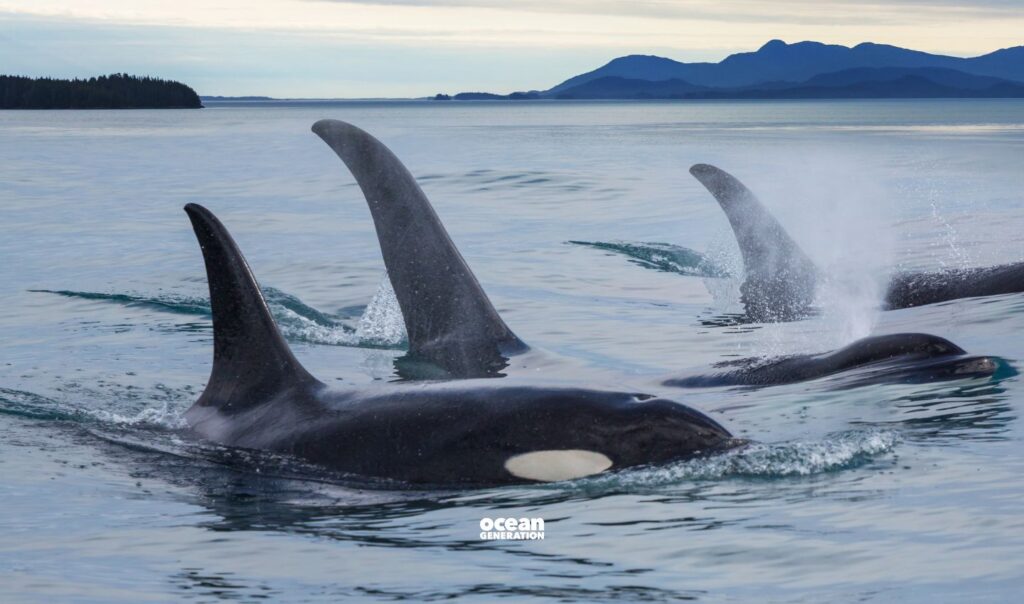
The missing orca generation.
The lack of calves between 2006 and 2010 could be in play in a different way here. There is a missing generation of orca: young orca are missing older calves to play with. As any bored child will start doing, they make up some games for themselves, using what is available (boats).
How do you avoid getting sunk by a pod of orca?
The best solution is: don’t sail a spade-ruddered monohull sailing vessel around 12m long between Gibraltar and Galicia from July to October.
But seriously: guidance for sailors is unfortunately varied. Initial studies suggested that boats are slightly more likely to be damaged if they keep moving – if boats stop, the orca can lose interest and move off.
More recently, Portuguese authorities maintain that playing dead or reversing is the best way, while Spanish authorities advise motoring to more shallow water.
The International Whaling Commission held a workshop attended by orca experts from around the world. The guidance was to move at least 2-3km from the area of first encounter, to an area where rescue, if needed, is easier.
The same workshop strongly recommended against using deterrents that could harm the orcas. Besides the fact this is a critically endangered population, none have been shown to succeed in stopping an interaction and they are likely more dangerous to the people deploying them.
Desperate sailors have used some extreme counter measures to protect their floating homes. Throwing firecrackers and seal bombs; pouring bleach, diesel or chlorine overboard; attaching knives or spikes to the rudder; throwing rocks or heavy chain; electrocution.
It is difficult to condemn sailors reaching for anything they have to hand when a six-tonne animal is apparently dismantling their boat from underneath them. But these measures range from ineffective to cruel, and present as much risk to the sailors as the orca, if not more.
Rather than bombs and chemicals, are there any other potential solutions?
A few genuinely promising suggestions have been put forward. Modifying the design of the rudders to alter the flow of the water could make them less appealing to orcas in the first place. Dropping a barrier of weighted lines around the stern of the boat to prevent easy access to the rudders could give sailors some more peace of mind.
Orca have been shown to flee when they hear the calls of long-finned pilot whales. Sailors could either play pilot whale calls via underwater speakers, learn to mimic these calls or bribe local pilot whales for protection (we would love to see some pilot whale language classes).
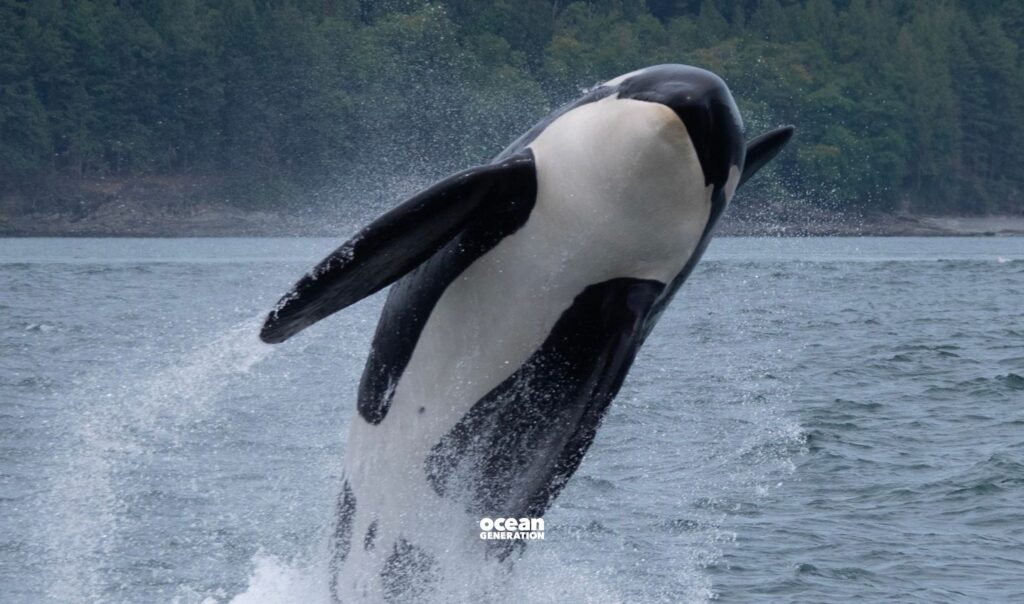
Our changing relationship with orcas
Whatever the reasons and whatever the solutions, the situation does give us a chance to appreciate the intelligence and power of one of the Ocean’s top residents.
Our relationship with the orcas of Iberia has been tumultuous. Pliny the Elder wrote about them in AD77, while the birth of Jesus was in living memory. Medieval fishers would welcome them as partners, watching for their dorsal fins to show the tuna were running. More recently, the relationship soured – in 2002, an orca, Burela, was found dead with bullet wounds.
Now it is more confused than ever. The waters are shared by sailors armed with firecrackers, dreading that a black fin will approach from behind, and by whale-watching boats filled with passengers with crossed fingers that they may see the exact same thing.
At the centre of it all, is curiosity. The same thing powering the whale-watching companies could be compelling the orcas. Revenge becomes something more ordinary and wonderful. Just as a younger sibling might poke a sandcastle on a beach and accidentally knock your tower down, the orca could be exploring and playing, with some unfortunate consequences.
Humans and orca have shared the Iberian waters for millennia. We have been wary strangers, reluctant neighbours, collaborative hunters and fierce rivals. How we react to this next chapter in our relationship with them will reflect on us more than it does on them.